সর্বশেষ ভিডিও

It’s no secret that the world’s most famous regatta has been having a tough time in recent years, many other events around the world have been too. But not many other events were thinking about how to make their 200th regatta one to remember. Fortunately, among the many thousands of competitors who have at some point or repeatedly felt the draw to the Solent for a week of racing in the middle of the UK summer, a large number had already put the date in their diary. And for once, the weather showed up as well to help create a spectacular event. In fact, so good that there were more stories than we had time to tell straight away. So, in the first of a number of features, here’s our opening thoughts, and more importantly those of a wide range of competitors, on some of the things that made the 200th edition of Cowes Week so special.

After years spent chasing carbon fibre, foils and cutting-edge yacht design, the regular lure of polished timber, gleaming varnish and the unmistakable elegance of classic yachts is proving impossible to ignore. The British Classic Yacht Club Regatta in Cowes is about much more than the racing. This year's regatta brought together an extraordinary fleet of 42 yachts, from the diminutive Stella class to the magnificent 12 Metre Miquette while the oldest yacht, Dorothy, built in 1894, shared the water with Bel Canto, launched in 2022, proving that classic yachting is as much about preserving history as it is embracing the classics of the future. But even then, the British Classic Yacht Club Regatta in Cowes is about far more than competition around the cans. Every race is matched by the equivalent social event ashore where owners and crews swap experiences, admire the remarkable fleet and share the stories behind these extraordinary yachts. Because every yacht here had a classic story to tell....and we were there to hear them.

SailGP returned to Portsmouth in near-perfect conditions—sunshine, strong breeze, short rigs and spectacular foiling just metres from the shoreline. But while the weather looked familiar, the racing told a very different story. The new split-fleet format delivered tighter competition and further evidence that the days of a handful of dominant teams may be over. We look back at the key moments from both days of racing, the performances that mattered most, and who came out on top in the final. We also talk to Los Gallos driver Diego Botin and the man at the wheel aboard Artemis, Nathan Outteridge who both share their thoughts on the new format and the increasingly competitive SailGP fleet. Plus, we have another helping of Docktalk.

Thought this offshore race would be a simple start-to-finish. Now we're on a road trip, editing on the go, and racing the fleet from a car! It's surprisingly exciting. #OffshoreRace #RoadTrip #BehindTheScenes #RaceCoverage
The legendary Chicago Mackinac Race is back! Witness a diverse fleet, including iconic Santa Cruz 70s, set sail for the ultimate 300-mile challenge. #ChicagoMac #Sailing #YachtRacing #MackinacIsland #OceanSports

How does one of the world's greatest yacht builders build luxury boats in such an unlikely location?
A small town of just 20,000 people, a harbour that’s frozen for 4 months, temperatures that can plunge down to -30°C and a location that just 300km south of the Arctic Circle, the list of reasons why you wouldn’t set up a boat yard here is long and compelling. Everything about the location says this shouldn't work, but everything about their boats says it does. Because Nautor Swan has not only thrived at its remote location, but the Finish based company is one of the longest running and best known names in the yacht building world. So, as Nautor Swan approached its 60th birthday we headed up to Jakobstad, home to Nautor Swan to see what makes this company tick and how they build boats. Plus, we serve up some more Docktalk with news of a new design aimed at the Admiral's Cup and Henri Lloyd's big step forward. DOCKTALK 25:46 Reichel Pugh - Admiral 42 26:51 Henri Lloyd
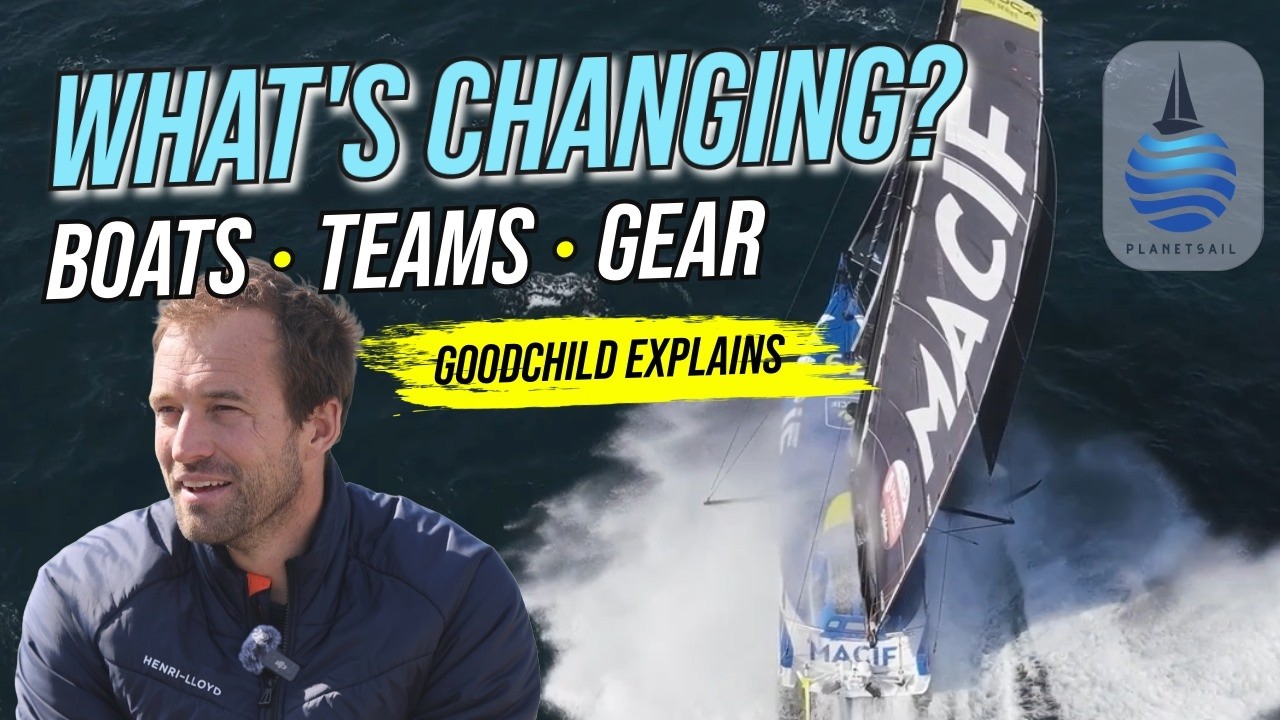
The next Vendée Globe isn't until 2028 but the next cycle is well underway with plenty of activity ashore and afloat. New boats are being wheeled out of the sheds and existing ones re-configured. Some like Sam Goodchild and the Macif campaign have the advantage of a highly competitive boat that won the last race to continue training on while they refine their next launch. And those new launches are going to attract a lot of attention as we find out what designers and teams have had their eyes on when it comes to making these blisteringly quick machines even quicker. In short, it's busy times in the IMOCA scene so we dropped in on Goodchild in Port La Foret on the west coast of France to get an update on what's going on in the scene. With the transition to indoor sailing now an established part of a modern IMOCA and with Goodchild's close involvement with Henri Lloyd, we also asked him to explain how the demands of indoor/outdoor sailing aboard the current 60 footers is influencing the kind of clothing they now need. Plus, we scoop up another helping of Docktalk with news from three of the deck gear gurus, Rondal, Spinlock and Allen Brothers. DOCKTALK 16:12 Rondal 17:23 Spinlock 18:24 Allen Blocks

Francesca Clapcich does things differently. Her current goal is the 2028 Vendée Globe and yet contrary to many of those who have either completed or are aiming to do the race, she says the non-stop race around the world was never her dream. Instead she has competed at many of the world's biggest sailing events from the Olympics to the Women's America's Cup and was part of the crew that won the fully crewed Ocean Race around the world aboard 11th Hour Racing in 2023. The message is clear, Clapcich' experience is as broad as it is deep and it this that she is drawing on in her current campaign to compete in the next Vendée Globe. Matt Sheahan caught up with her a couple of days before she set out on her first solo offshore race in an IMOCA as she took on the 1000 Race. He spoke to her again at the start of the Vendée Arctique (https://youtu.be/AIN4cASjqtk) but it was clear that there was far more to Clapcich than we could include in that episode. So, for those who'd like to know more about the offshore sailor who does things differently, here's the full, unedited, unfiltered version of Matt's one to one chat with Francesca ahead of the 1000 Race.
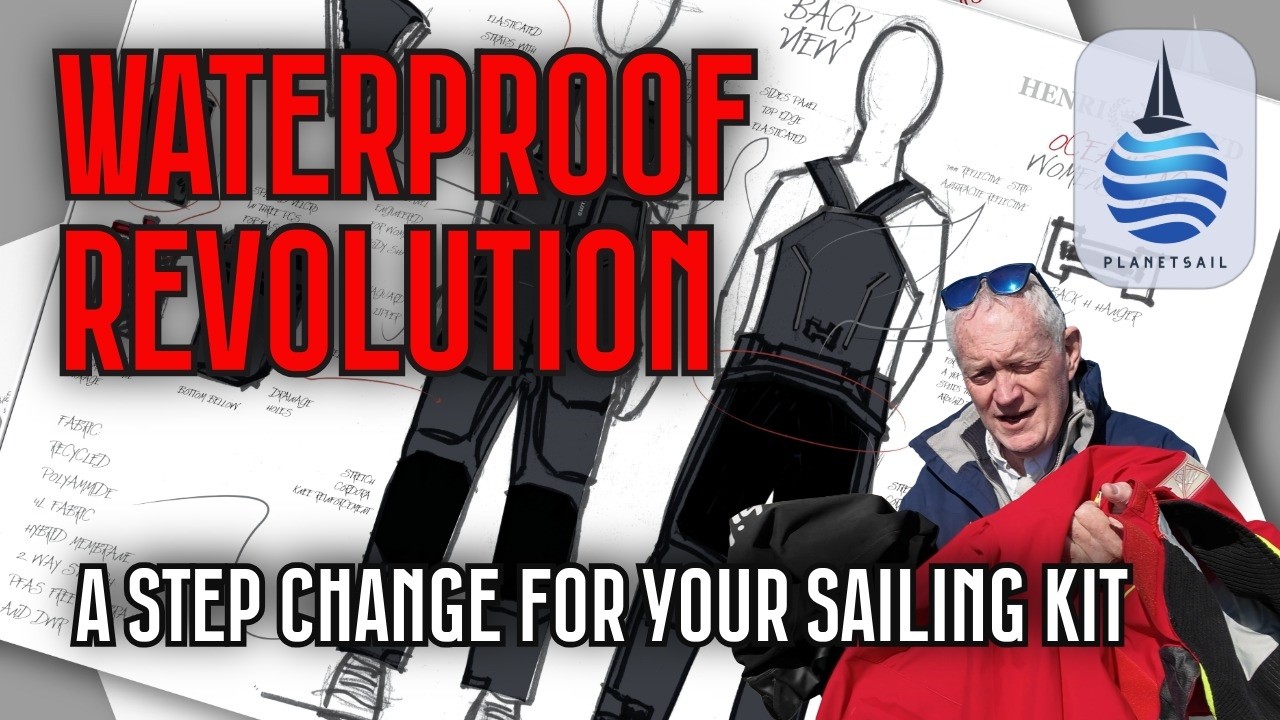
We find out why and how a change that will take place across the entire outdoor clothing market is going to affect the sailing kit you wear in the future as we head north to Henri Lloyd's base in Manchester at the heart of what was once known as 'Cottonopolis.' This city is where modern clothing manufacturing for the world began and while Henri Lloyd didn't start that revolution, its roots are firmly planted here reinforcing its position as world leaders in sailing clothing. The big change that will effect everyone who heads outside is that new regulations are set to ban a type of chemical, polyfluoroalkyl substances (PFAs), that have as been used for decades in the production of waterproof surfaces on clothing. In some countries around the world they have already been be banned while elsewhere the move is on its way. So, Matt Sheahan finds out what it means and why the biggest move in outdoor apparel has been so challenging
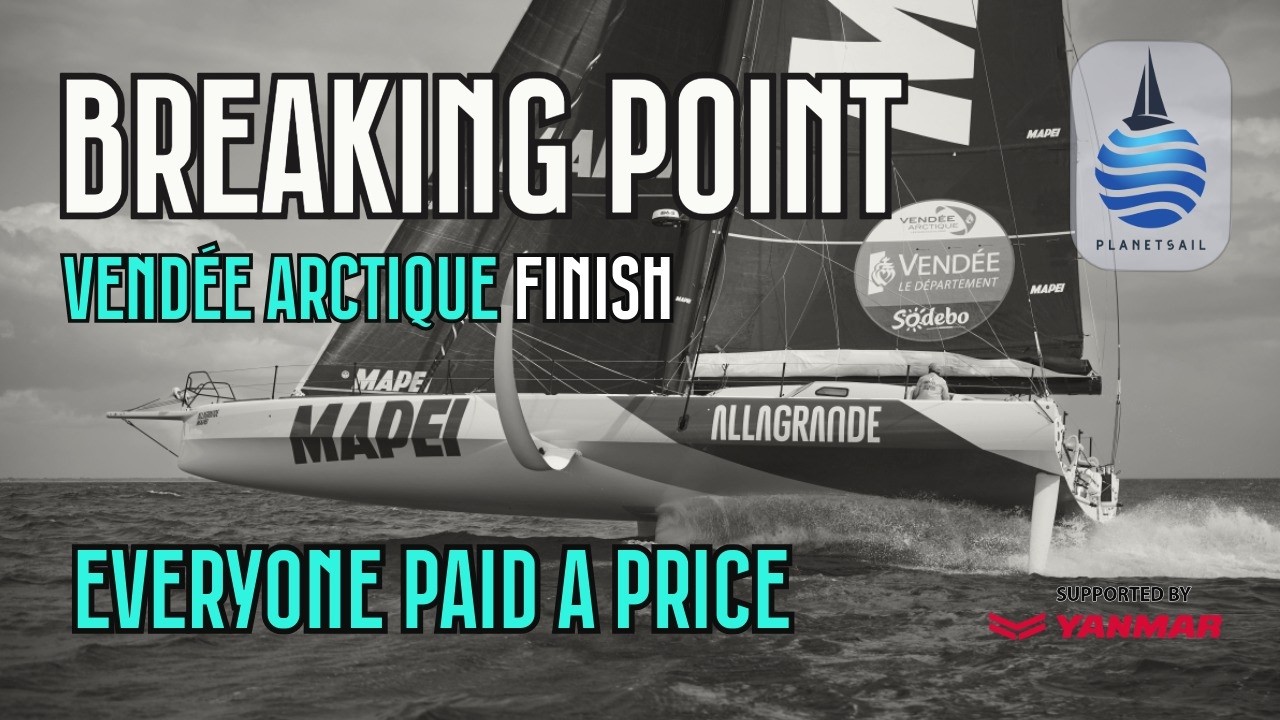
When teams set out on a solo race to the Arctic Circle and back all of them knew that they would be venturing into new territory. No one had ever taken an IMOCA this far north, alone. They all knew the history of an event that had been derailed from its original objectives on both previous occasions by the weather. And all of them knew that the tactical challenges would push them hard. yet no one had predicted the emotional roller coaster that the entire fleet found itself enduring. From the front to the back there were highs and lows, storms, flat calms, penalties and heartbreak, all in just eight days. The racing went sown to the wire in one of the most dramatic finishes the IMOCA fleet has seen. As he stepped ashore Macif Santé Prévoyance skipper Sam Goodchild described the race as the most intense he had done. In our third feature on this outstanding race, we look at how the second half of the 3,500nm race played out. Plus, in this episode we have another helping of Docktalk.

The start of the Vendée Arctique may have been a quiet affair when the fleet set off from les Sables d'Olonne on Sunday 7 June, but it didn't take long for the pain, stress, sea sickness and breakdowns to start. Racing to the Arctic Circle and back alone, on a course where the only turning point is the latitude that defines this infamous point on the globe, has seen the fleet head up the west coast of Ireland before breaking out into unfamiliar territory for all. And there has been at least one heroic act along the way as Italian sailor Ambrogio Beccaria was forced to dive down to the bottom of his keel to free his boat after getting trapped - the footage is remarkable and his nerve breathtaking. We report on the first half of this incredible race, plus we talk to skipper Francesca Clapcich about her unconventional approach to reaching her ultimate goal.
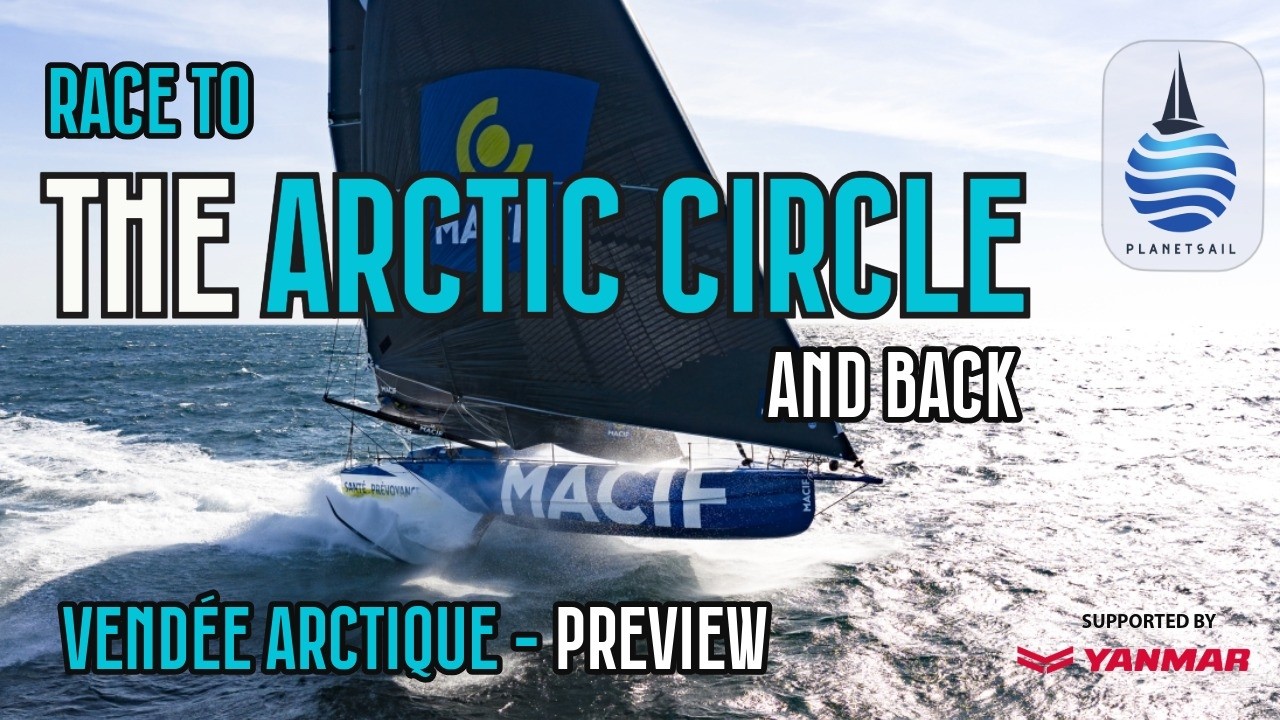
Taking 60ft carbon fibre grand prix machines further north than Cape Horn is south is an ambitious plan. So ambitious, that on both of the previous attempts the Vendée Arctique race course had to be modified. But the challenge of racing 60ft carbon machines so far north is giving a cult status to this race while also making it a must do event for skippers looking towards a lap of the planet in the big one, the Vendée Globe. Matt Sheahan heads to the start of the Vendée Arctique in the infamous town of les Sables d'Olonne on the west coast of France to talk to skippers and find out how and why they are setting up for the big race to the north.

With only four teams able to race and then a match race between two for the opening day in the Big Apple, the New York stage of SailGP opened with chaos and uncertainty for the spectators and teams alike. When racing did get underway there were heart stopping moments that led to big questions being asked once again about the 2026 SailGP season. Here's how the racing panned out and what it all boiled down to as Matt Sheahan reviews Event 6 in New York.
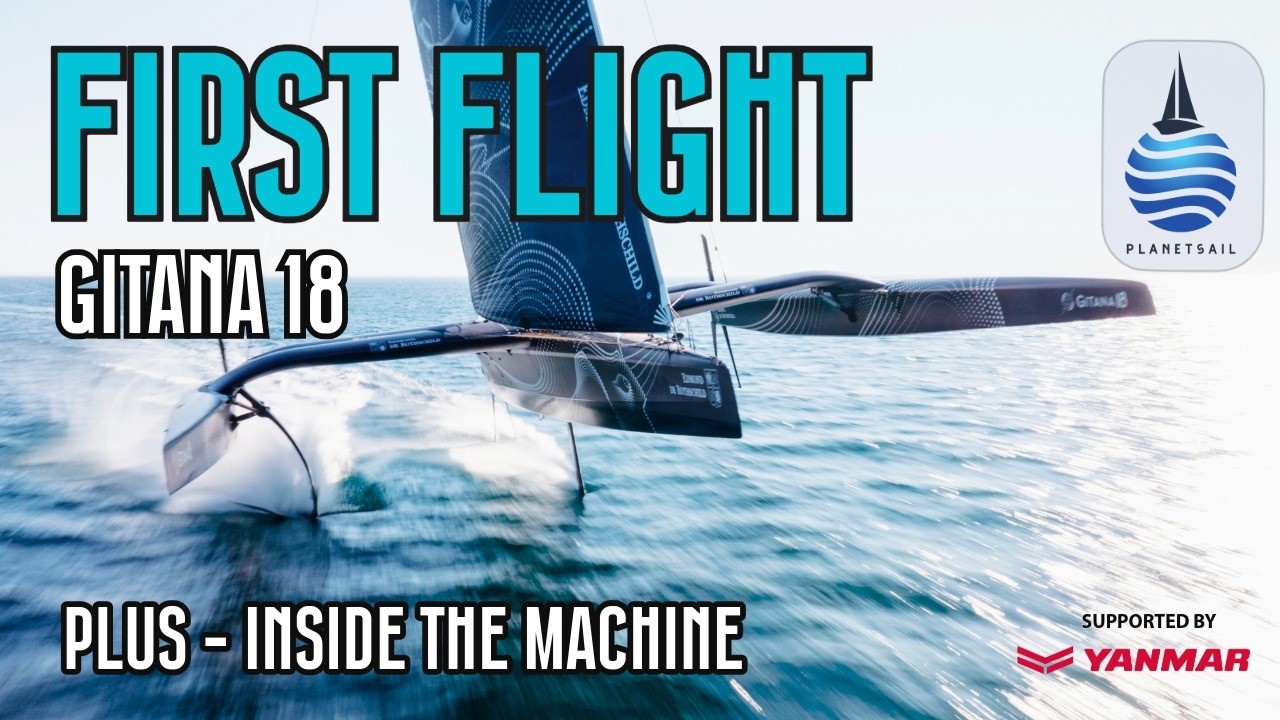
They might have been involved in major grand prix offshore racers before, but getting Gitana 18 up onto her foils for the first time was a very big deal for the team. This is a project that is pushing at the boundaries at the most extreme end of the sport and could well define the next generation of deep ocean foiling machines. So when Gitana 18 lifted onto her foils, albeit just on port tack, heads turned. Here's what it looked like. Plus, we talk exclusively to one of the key players on the design team Sebastien Sainson about where the project is, what happens next and what the thinking was behind their very unusual interior.
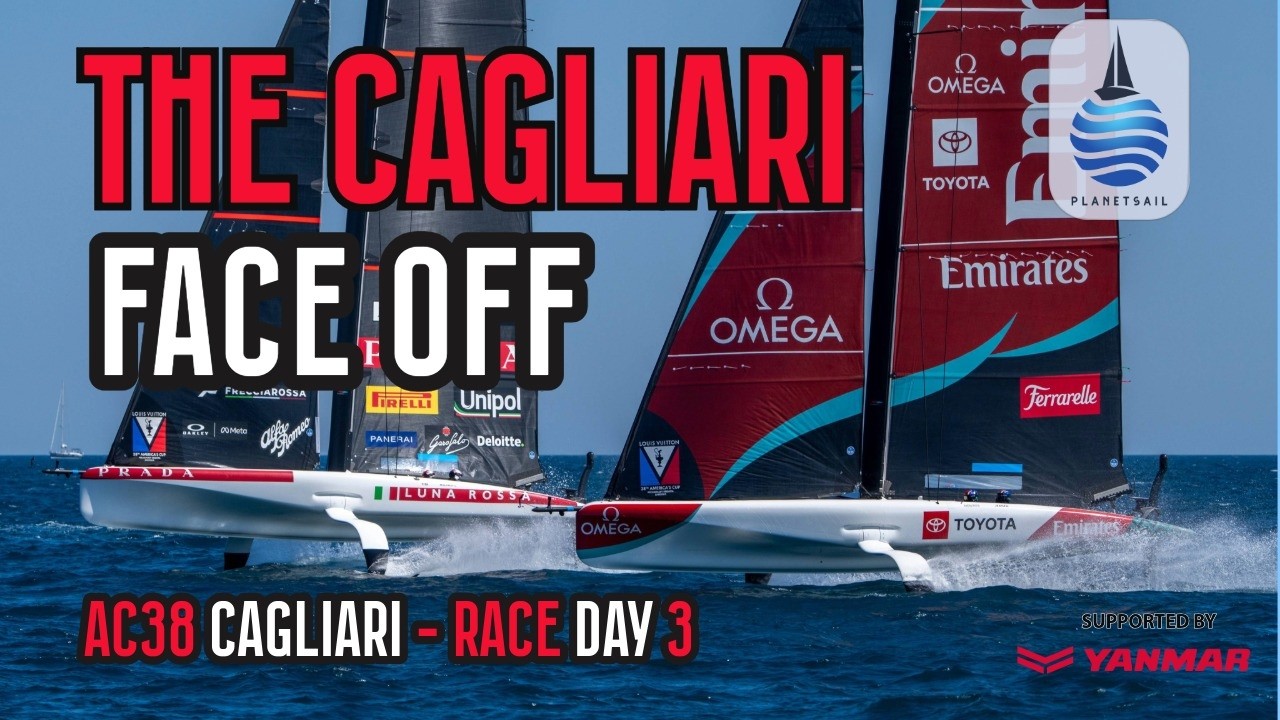
While the first event of the 38th America's Cup cycle was eagerly awaited, no one dared hope that it would be this good. But over five days the Sardinian town of Cagliari delivered a superb event culminating in a final day that few, if anyone, had anticipated. Matt Sheahan was there and reports on a day of action in Luna Rossa's home town.

A second day for Cup racing in perfect conditions as the fleet heads towards the 38th America's Cup

What a spectacular day. 15-20 knots of breeze with a sea state that challenged everyone and provided drama right to the end. Plus, close competition with lead changes and crosses that had everyone on the edge of their seats and a performance from one team in particular that says a great deal about how this Cup cycle could see a change of guard. Matt Sheahan reviews the opening day in Cagliari, an event that marks the start of the 38th America's Cup cycle and also talks to sailing rock star Ken Read, the boss of one of the latest teams to enter.

The racing hasn't even started yet but the big questions have been coming all day. Among them, what state is the British America's Cup team GB1 in following their very public spat with former backer Sir Jim Ratcliffe and INEOS? The biggest question of all is who owns the AC75 and does the British team have an AC75 to race at the next America's Cup? In an exclusive interview with team principal Sir Ben Ainslie Matt Sheahan asks the key questions on the eve of the first Preliminary event in Cagliari and gets direct answers to this and several other key questions.

Not all the teams are here, no one is sailing their 75ft Cup boat and this isn’t where the 38th America’s Cup will be contested. So why is the first Preliminary event in the Sardinian town of Cagliary so important? On the eve of the practice racing Matt Sheahan heads south to find out and considers why this event is important for the teams and how it might shake up the 38th America’s Cup. And once you’re in the picture as to why this event is so important, check out Yacht Racing Life’s latest feature with the British AC team based on an exclusive interview from the cyclor turned flight controller turned driver, Ben Cornish, it’s well worth a read. https://www.yachtracinglife.com/from-cyclor-to-helmsman-gb1s-ben-cornish-on-his-big-career-break-in-cagliari/?ref=members-newsletter

It's been one of the big stories of the year already and it's not even flying yet. Gitana 18 is an extraordinary project that looks set to take offshore foiling onto another level. It's a massively complex boat and yet its greatest strength is that it builds on the considerable experience that this team has created over the last two decades. And then there's their skipper, Charles Caudrelier who says it's frustrating to be limited to 30 knots during testing and that it can also be scary at these speeds if you're not flying. Matt Sheahan speaks face to face with Caudrelier aboard Gitana 18 to find out how the programme is going and how the team is working up this giant beast of a boat.