Video terbaru
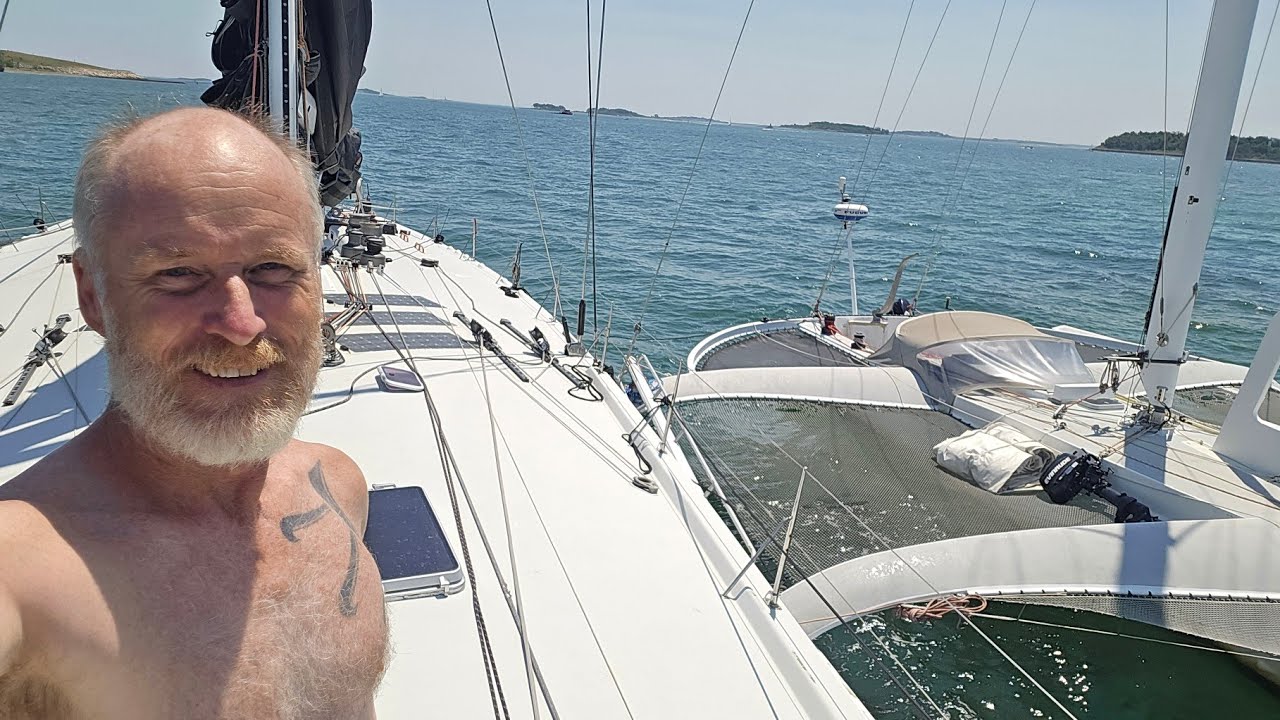
In this video we look at the trimaran, Spirit that I often sail, you get to see the first part of the Newport Bermuda Race 2026 story, which begins with me leaving Lunenburg and heading into the fog (where I was then very ill for the entire delivery to Newport) and we talk through my on-going longitudinal AI system experiment, and I provide more information on how to build your own version to help with your own projects. At the end of the video we also get to see the 250th Independence Day Firework Celebrations here in Boston. Support the Solo RTW project, and get more Mariner updates! If you want to support the production of this media and the campaign and get access to much more Mariner content, visit: https://patreon.com/themariner Need More Mariner? The Mariner Podcast Practical offshore knowledge — heavy weather, safety, and real-world sailing. Listen here: https://podcasts.apple.com/in/podcast/the-mariner/id1710667118 Mariner’s Library (Podcast) Deep dives into the history, philosophy, and seamanship of life at sea. Listen here: https://themarinerslibrary.podbean.com Need 2 Sail? Join me on board Osprey for offshore passages and regatta events. All proceeds go toward funding the my entry in the Global Solo Challenge Round the World Race 2027. Details: https://csmthemariner.com Next Voyage: 15th October Transatlantic New England to Lanzarote . If you want to be crew on the crossing: csmthemariner@gmail.com
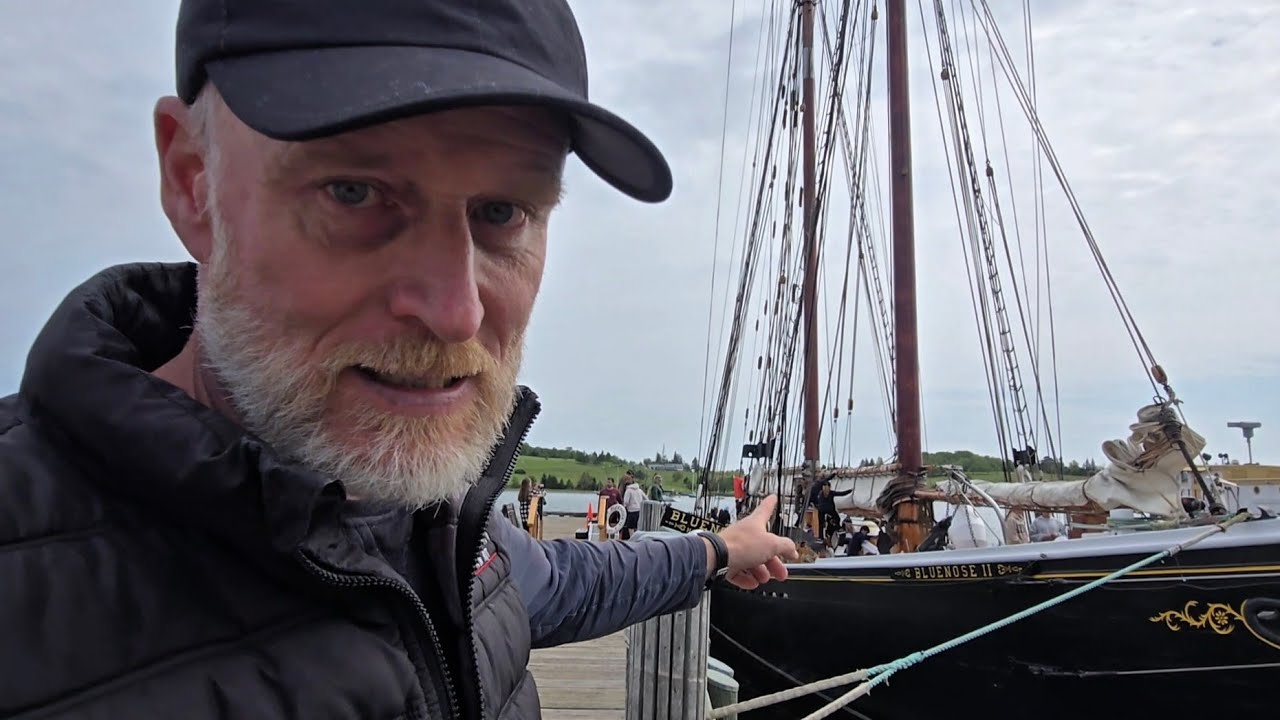
This episode we take a look around the working Waterfront of Lunenburg, Nova Scotia before departing for the start of the Newport Bernuda Race. Support the Solo RTW project, and get more Mariner updates! If you want to support the production of this media and the campaign and get access to much more Mariner content, visit: https://patreon.com/themariner Need More Mariner? The Mariner Podcast Practical offshore knowledge — heavy weather, safety, and real-world sailing. Listen here: https://podcasts.apple.com/in/podcast/the-mariner/id1710667118 Mariner’s Library (Podcast) Deep dives into the history, philosophy, and seamanship of life at sea. Listen here: https://themarinerslibrary.podbean.com Need 2 Sail? Join me on board Osprey for offshore passages and regatta events. All proceeds go toward funding the my entry in the Global Solo Challenge Round the World Race 2027. Details: https://csmthemariner.com Next Voyage: 15th October Transatlantic New England to Lanzarote . If you want to be crew on the crossing: csmthemariner@gmail.com

Solo docking an 80-foot Grand Mistral with no propeller after a 4,350-mile solo Atlantic crossing. This video concludes the thirty-day transatlantic voyage aboard Osprey, my Grand Mistral 80 maxi yacht, arriving into Lunenburg, Nova Scotia after crossing the North Atlantic alone. The story began with: “And Then I Realized the Propeller Was Missing” https://youtu.be/F1Wacjjz_7k?si=7gCNnGSo6mnf3FCA and continued in: “Ghosting Through the Fog.” https://youtu.be/ZT6A19S1h5I?si=EXSBwzuZZAxNXG4O Now, just before midnight,, Osprey enters Lunenburg Harbour under sail and momentum alone. No propeller. No reverse. No second attempt.125ft mast.#5 jib. Moving at barely two knots through the harbor, I balance wind, tide, inertia, and dock approach angles while preparing several increasingly conservative fallback plans. But eventually an opportunity opens — and I commit to bringing the maxi alongside solo. This footage was almost lost due to problems with my phone during the final stages of the voyage, but I managed to recover the data and rebuild the edit from scratch. Honestly, I think this version tells the story better than the original would have. If you’ve been following the crossing, thank you for sticking with the voyage. Need More Mariner? The Mariner Podcast Practical offshore knowledge — heavy weather, safety, and real-world sailing. Listen here: https://podcasts.apple.com/in/podcast/the-mariner/id1710667118 Mariner’s Library (Podcast) Deep dives into the history, philosophy, and seamanship of life at sea. Listen here: https://themarinerslibrary.podbean.com Support the Project If you want to support the production of this media and the campaign: https://patreon.com/themariner Need 2 Sail? Join me on board Osprey for offshore passages and regatta events. All proceeds go toward funding the my entry in the Global Solo Challenge Round the World Race 2027. Details: https://csmthemariner.com Next Voyage: October Transatlantic We depart Bermuda on October 5th. If you want to be part of the crossing: csmthemariner@gmail.com And if you have questions about the approach, seamanship decisions, docking strategy, or what was happening onboard during the final arrival, feel free to ask in the comments. – Chris Mariner #SoloSailing #Transatlantic #GrandMistral80 #Sailing #OceanSailing #SailingLife #AtlanticCrossing #Mariner #SoloSailor #MaxiYacht #Seamanship #Lunenburg #NovaScotia #OffshoreSailing
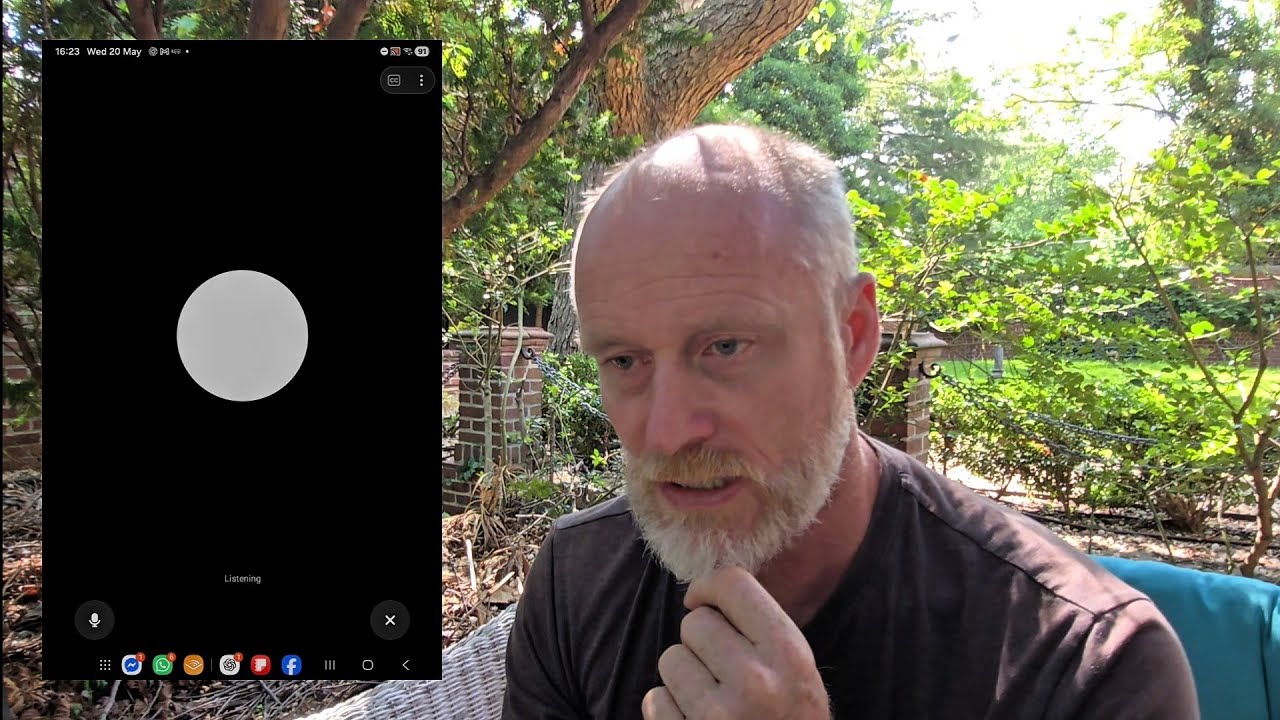
In this video I introduce the idea of Longitudinal AI Systems — continuity-rich AI interactions that evolve over long periods of time under real-world operational conditions. The central idea is simple: Projects rarely fail because of lack of intelligence or focus. They fail because of lack of continuity. Effort and focus are additive. Continuity is the multiplier. Over the last year I’ve been developing what I call the L-Matrix aboard my racing yacht Osprey while preparing for a solo, Eastabout circumnavigation beginning in December 2027, as part of the Global Solo Challenge. This video is a field report from inside that ongoing experiment. This video explores how continuity, retrieval structures, navigable compression, and long-duration interaction may create genuinely useful AI systems without collapsing into hype, mythology, or anthropomorphism. Need More Mariner? The Mariner Podcast Practical offshore knowledge — heavy weather, safety, and real-world sailing. Listen here: https://podcasts.apple.com/in/podcast/the-mariner/id1710667118 Mariner’s Library (Podcast) Deep dives into the history, philosophy, and seamanship of life at sea. Listen here: https://themarinerslibrary.podbean.com Support the Project If you want to support the production of this media and the campaign: https://patreon.com/themariner Need 2 Sail? Join me on board Osprey for offshore passages and regatta events. All proceeds go toward funding the my entry in the Global Solo Challenge Round the World Race 2027. Details: https://csmthemariner.com Next Voyage: October Transatlantic We depart Bermuda on October 5th. If you want to be part of the crossing: csmthemariner@gmail.com

Just a quick aside to address the Flat Earth debate, which once in a while touches this channel as people affected by the incorrect information originating from Flat Earth accounts make comments here - essentially stating that I am perpetuating an on-going lie and that I have never sailed around the world. There is no debate - the math, and the real world usage of that math discount any further logical discourse regarding the Flat Earth model as anything other than eccentric surrealism. Need More Mariner? The Mariner Podcast Practical offshore knowledge — heavy weather, safety, and real-world sailing. Listen here: https://podcasts.apple.com/in/podcast/the-mariner/id1710667118 Mariner’s Library (Podcast) Deep dives into the history, philosophy, and seamanship of life at sea. Listen here: https://themarinerslibrary.podbean.com Support the Project If you want to support the production of this media and the campaign: https://patreon.com/themariner Need 2 Sail? Join me on board Osprey for offshore passages and regatta events. All proceeds go toward funding the my entry in the Global Solo Challenge Round the World Race 2027. Details: https://csmthemariner.com Next Voyage: October Transatlantic We depart Bermuda on October 5th. If you want to be part of the crossing: csmthemariner@gmail.com

In this episode I close with the land, wirhmmy home, just off Lunenburg, Nova Scotia and pass through a traditional final gauntlet between Cross Island and the adjoining peninsula. The gap is only 1.7 Nm wide, giving Osprey a tiny target to aim for after 30 days /4350Nm at sea. In fog, drifting in very little wind, with her propellor 'unavailable to assist'; it's time to trust the plan, make careful preparations and take what is offered, as we draw within just a mile or two of our final destination. Need More Mariner? The Mariner Podcast Practical offshore knowledge — heavy weather, safety, and real-world sailing. Listen here: https://podcasts.apple.com/in/podcast/the-mariner/id1710667118 Mariner’s Library (Podcast) Deep dives into the history, philosophy, and seamanship of life at sea. Listen here: https://themarinerslibrary.podbean.com Support the Project If you want to support the production of this media and the campaign: https://patreon.com/themariner Need 2 Sail? Join me on board Osprey for offshore passages and regatta events. All proceeds go toward funding the my entry in the Global Solo Challenge Round the World Race 2027. Details: https://csmthemariner.com Next Voyage: October Transatlantic We depart Bermuda on October 5th. If you want to be part of the crossing: csmthemariner@gmail.com

After thousands of miles spinning beneath Osprey across two Atlantic crossings, the auxiliary drive has finally given up—and with it, any option of motoring the last miles home. What follows is not a failure, but a shift. With landfall ahead, the problem changes. Weather, tide, and wind direction now matter in a different way. The anchor comes out. The details of the port of Lunenburg come alive and every decision tightens as we move from ocean sailing into coastal pilotage. Ahead lies a narrow gate—just one and a half miles wide—between Cross Island and the mainland. After 4,360 miles at sea, everything comes down to threading that gap cleanly, under sail alone. This is what the boat is built for. A sailing vessel first, engine second. In this episode, you come with me through that decision-making process as we prepare to bring Osprey home and complete qualification for the Global Solo Challenge Need More Mariner? The Mariner Podcast Practical offshore knowledge — heavy weather, safety, and real-world sailing. Listen here: https://podcasts.apple.com/in/podcast/the-mariner/id1710667118 Mariner’s Library (Podcast) Deep dives into the history, philosophy, and seamanship of life at sea. Listen here: https://themarinerslibrary.podbean.com Support the Project If you want to support the production of this media and the campaign: https://patreon.com/themariner Need 2 Sail? Join me on board Osprey for offshore passages and regatta events. All proceeds go toward funding the my entry in the Global Solo Challenge Round the World Race 2027. Details: https://csmthemariner.com Next Voyage: October Transatlantic We depart Bermuda on October 5th. If you want to be part of the crossing: csmthemariner@gmail.com
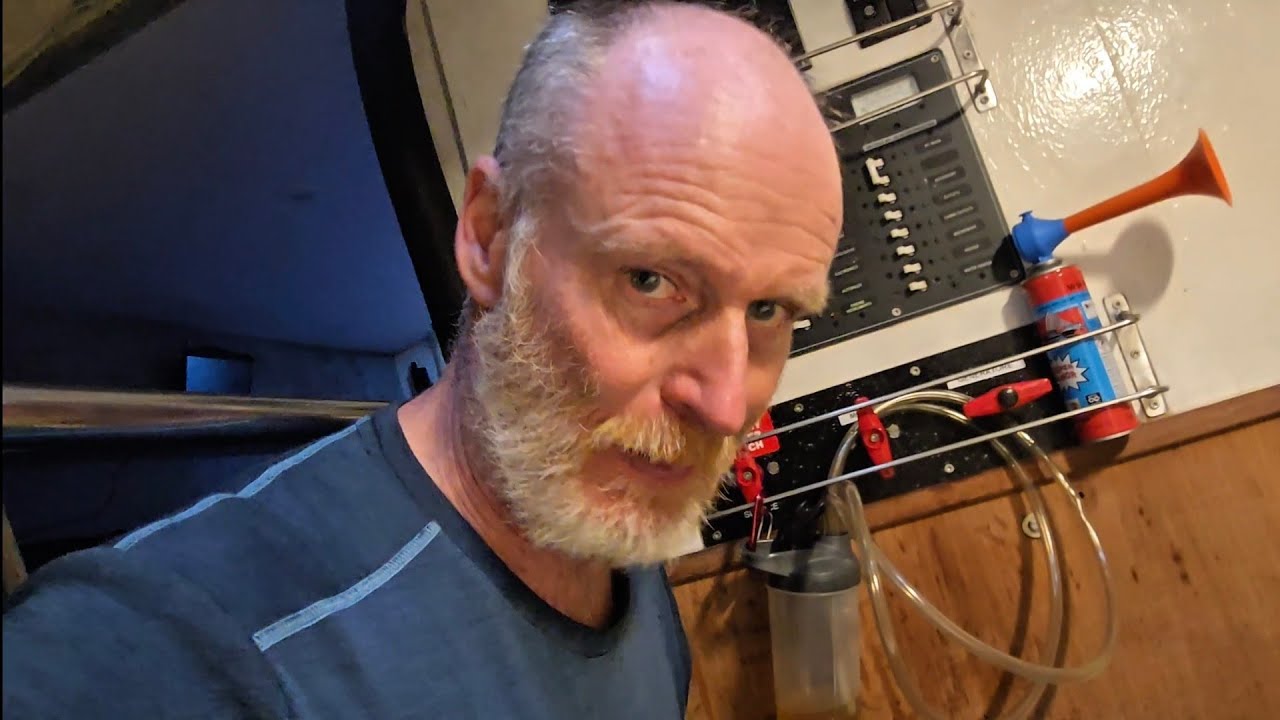
In this episode, we complete the circle on my Volvo TAMD31 engine, 'Bertha' that became hydraulically locked 409Nm offshore. Today, we clear the cylinders, the injectors go back in, everything is reassembled, and we take a careful look at what we’ve learned about the engine and uts present exhaust system along the way. There’s a strong temptation in moments like this to rush — to get it back together and turn the key as qyixkly as possible — but that’s exactly where mistakes are made. So we slow it down, stay disciplined, and work through the details properly. In the end though, the battle must be joined, and once eerything is back together and checked, all that’s left to do… is turn the key and find out if she wants to run. Need More Mariner? The Mariner Podcast Practical offshore knowledge — heavy weather, safety, and real-world sailing. Listen here: https://podcasts.apple.com/in/podcast/the-mariner/id1710667118 Mariner’s Library (Podcast) Deep dives into the history, philosophy, and seamanship of life at sea. Listen here: https://themarinerslibrary.podbean.com Support the Project If you want to support the production of this media and the campaign: https://patreon.com/themariner Need 2 Sail? Join me on board Osprey for offshore passages and regatta events. All proceeds go toward funding the my entry in the Global Solo Challenge Round the World Race 2027. Details: https://csmthemariner.com Next Voyage: October Transatlantic We depart Bermuda on October 5th. If you want to be part of the crossing: csmthemariner@gmail.com

In this video, I take apart the TAMD 31 engine on Osprey to investigate a suspected hydraulic lock. We go through the process of removing the injectors step by step, including how to deal with seized fasteners safely at sea without making the situation worse. I talk through the exhaust system and how water can be forced back into the engine in heavy conditions, and why recognizing that early matters. More importantly, this is about discipline — staying aware of the boat, the conditions, and the consequences while working on machinery offshore. The aim here isn’t speed. It’s to understand the problem properly before taking the next step. This is what it looks like when something isn’t right, and how you deal with it without letting it get worseNeed More Mariner? The Mariner Podcast Practical offshore knowledge — heavy weather, safety, and real-world sailing. Listen here: https://podcasts.apple.com/in/podcast/the-mariner/id1710667118 Mariner’s Library (Podcast) Deep dives into the history, philosophy, and seamanship of life at sea. Listen here: https://themarinerslibrary.podbean.com Support the Project If you want to support the production of this media and the campaign: https://patreon.com/themariner Need 2 Sail? Join me on board Osprey for offshore passages and regatta events. All proceeds go toward funding the my entry in the Global Solo Challenge Round the World Race 2027. Details: https://csmthemariner.com Next Voyage: October Transatlantic We depart Bermuda on October 5th. If you want to be part of the crossing: csmthemariner@gmail.com
This video covers the moment the engine told me something was wrong. On startup I heard a sharp clack, clack, clack — the kind of sound that immediately tells you to stop and reassess. A suspected hydraulic lock is not something you push through. If you get it wrong, you destroy the engine. So the decision was immediate. Sails down, boat stopped, and a full shift from passage-making to problem management. From that point on it was about protecting the boat, conserving power, and understanding exactly what was happening before taking any further action. This is the difference between continuing blindly and recognizing when a situation has the potential to escalate into a serious failure. This is not about fixing things quickly. It’s about making the right call early enough that the problem never gets the chance to get worse. Need More Mariner? The Mariner Podcast Practical offshore knowledge — heavy weather, safety, and real-world sailing. Listen here: https://podcasts.apple.com/in/podcast/the-mariner/id1710667118 Mariner’s Library (Podcast) Deep dives into the history, philosophy, and seamanship of life at sea. Listen here: https://themarinerslibrary.podbean.com Support the Project If you want to support the production of this media and the campaign: https://patreon.com/themariner Need 2 Sail? Join me on board Osprey for offshore passages and regatta events. All proceeds go toward funding the my entry in the Global Solo Challenge Round the World Race 2027. Details: https://csmthemariner.com Next Voyage: October Transatlantic We depart Bermuda on October 5th. If you want to be part of the crossing: csmthemariner@gmail.com

In this episode I realize with very little notice that a 983 millibar North Atlantic depression with 50kts at its center is about to form unexpectedly, directly in front of me and I suddenly have to make a plan quickly so that Osprey can ride it out safely. I take you through the decision-making process, the facts that I have to weigh up and show the actions I take which make sure both Osprey and I are safe, through what is to be some pretty heavy weather. Need More Mariner? The Mariner Podcast Practical offshore knowledge — heavy weather, safety, and real-world sailing. Listen here: https://podcasts.apple.com/in/podcast/the-mariner/id1710667118 Mariner’s Library (Podcast) Deep dives into the history, philosophy, and seamanship of life at sea. Listen here: https://themarinerslibrary.podbean.com Support the Project If you want to support the production of this media and the campaign: https://patreon.com/themariner Need 2 Sail? Join me on board Osprey for offshore passages and regatta events. All proceeds go toward funding the my entry in the Global Solo Challenge Round the World Race 2027. Details: https://csmthemariner.com Next Voyage: October Transatlantic We depart Bermuda on October 5th. If you want to be part of the crossing: csmthemariner@gmail.com

Out here in the North Atlantic, around 500 miles offshore, conditions are still rough.. In this third part of this mini series, I take a look at what it’s actually like outside while lying a hull in heavy weather. I’m not going out on deck for the sake of footage—there’s no point putting myself in danger on a pitching, rolling deck for a YT likes—but I open the companionway and give you a real sense of what’s going on out there. The wind has eased slightly from last night, when it was blowing 50 kts, but the sea state is still significant. Long wave periods, confused energy, and a steady motion that tells you exactly what passed through here overnight, but Osprey is handling it well. Back below, I go through some of the questions that came up from the first video—why lie a hull, what the alternatives are, and how these decisions are made in real time offshore. Part 1 https://youtu.be/axkHvGZrBjE?si=LR6M8ks0UQZZnyOs Part 2 https://youtu.be/OAvAIF80QKM?si=8K9qlAcuIudGGlxA This is not about drama. It’s about understanding the situation, making the right call, and letting the boat do what she was built to do. — CSM The Mariner Need More Mariner? The Mariner Podcast Practical offshore knowledge — heavy weather, safety, and real-world sailing. Listen here: https://podcasts.apple.com/in/podcast/the-mariner/id1710667118 Mariner’s Library (Podcast) Deep dives into the history, philosophy, and seamanship of life at sea. Listen here: https://themarinerslibrary.podbean.com Support the Project If you want to support the production of this media and the campaign: https://patreon.com/themariner Need 2 Sail? Join me on board Osprey for offshore passages and regatta events. All proceeds go toward funding the my entry in the Global Solo Challenge Round the World Race 2027. Details: https://csmthemariner.com Next Voyage: October Transatlantic We depart Bermuda on October 5th. If you want to be part of the crossing: csmthemariner@gmail.com

To find out more what was going on here: https://youtu.be/axkHvGZrBjE
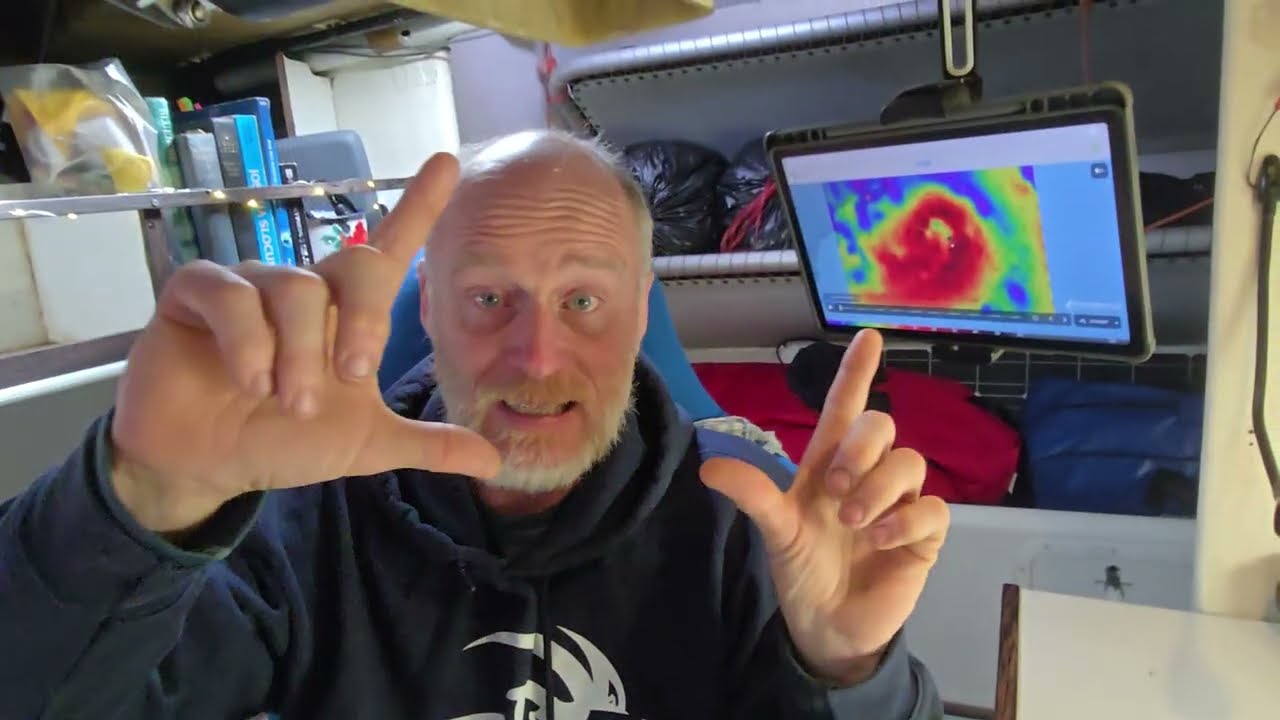
I’m currently lying a hull in the North Atlantic, around 500 miles offshore, with 45–50 knots over the deck and the boat settled as safely as she can be in these conditions. In this video, I talk through the decision to lie a hull — what it is, why I’ve chosen it here, and why I’m not using a para-anchor or a drogue in this particular situation. There’s no single “right” answer at sea, only the best decision you can make with the boat, the conditions, and the moment you’re in. We go into the physics of it, how the boat behaves, and how you manage risk when things start to stack up. And, as always, this isn’t new ground — we’re standing on the shoulders of people like Captain Voss, Weston Martyr, Eric Hiscock… the ones who worked this out the hard way long before us. This is Part 1. In Part 2, I’ll take you up on deck so you can see what it actually looks like out here, and we’ll go through some of the questions that came in from the previous video (“How to… in 50 knots, 500 miles offshore”). This all sits inside a wider sequence I’m building at the moment — the full story of how I got into this situation in the first place, and the decisions that led here. — If you find this useful, hit like, subscribe, and drop your questions below. I read them all, and I’ll pick them up in the next video. Need More Mariner? The Mariner Podcast Practical offshore knowledge — heavy weather, safety, and real-world sailing. Listen here: https://podcasts.apple.com/in/podcast/the-mariner/id1710667118 Mariner’s Library (Podcast) Deep dives into the history, philosophy, and seamanship of life at sea. Listen here: https://themarinerslibrary.podbean.com Support the Project If you want to support the production of this media and the campaign: https://patreon.com/themariner Need 2 Sail? Join me on board Osprey for offshore passages and regatta events. All proceeds go toward funding the my entry in the Global Solo Challenge Round the World Race 2027. Details: https://csmthemariner.com Next Voyage: October Transatlantic We depart Bermuda on October 5th. If you want to be part of the crossing: csmthemariner@gmail.com

Hove to in the North Atlantic tonight. Wind up in the 45–50 knot range on deck, boat lying safely under bare poles about 500 miles offshore. This is one of those moments where you stop pushing, take stock, and let the boat do what it was designed to do. This short update is just a look inside Osprey while we ride it out — the sounds, the motion, and what it actually feels like to be out here in these conditions. Previous to this, was a full day of decisions: what to fix, what to leave, and whether to keep moving or not. This is the result of that — choosing to slow everything down and prioritize safety. Next video will walk through that process in detail — how we got here, what was going on with the sail, and why this was the right call. For now, this is the reality of it. Need More Mariner? The Mariner Podcast Practical offshore knowledge — heavy weather, safety, and real-world sailing. Listen here: https://podcasts.apple.com/in/podcast/the-mariner/id1710667118 Mariner’s Library (Podcast) Deep dives into the history, philosophy, and seamanship of life at sea. Listen here: https://themarinerslibrary.podbean.com Support the Project If you want to support the production of this media and the campaign: https://patreon.com/themariner Need 2 Sail? Join me on board Osprey for offshore passages and regatta events. All proceeds go toward funding the my entry in the Global Solo Challenge Round the World Race 2027. Details: https://csmthemariner.com Next Voyage: October Transatlantic We depart Bermuda on October 5th. If you want to be part of the crossing: csmthemariner@gmail.com

This isn’t a video about AI in theory. This is about using it for real — offshore, alone, under pressure. Over the last 5,000 miles, I’ve been using AI in a way that’s very different from how most people approach it. Not as a tool for quick answers, but as a way to think things through, to stay clear-headed, and to avoid mistakes when it matters. Out here, the challenge isn’t usually a lack of knowledge — it’s holding everything together at the same time. Fatigue, weather, systems, decisions… it adds up quickly, but what I have found is, that used properly, AI can help keep that thread intact. It’s not thinking for me, it’s not always right, and it definitely has limits, but it can act as a second layer of cognition— something that helps stay on track when things get stressful or unclear. This video isn’t a deep dive into the system itself, it’s an imitial marker — a way of introducing what I’ve been working on out here, and why it’s become such a central part of how I operate offshore. There’s a lot more to come on this. Need More Mariner? The Mariner Podcast Practical offshore knowledge — heavy weather, safety, and real-world sailing. Listen here: https://podcasts.apple.com/in/podcast/the-mariner/id1710667118 Mariner’s Library (Podcast) Deep dives into the history, philosophy, and seamanship of life at sea. Listen here: https://themarinerslibrary.podbean.com Support the Project If you want to support the production of this media and the campaign: https://patreon.com/themariner Need 2 Sail? Join me on board Osprey for offshore passages and regatta events. All proceeds go toward funding the my entry in the Global Solo Challenge Round the World Race 2027. Details: https://csmthemariner.com Next Voyage: October Transatlantic We depart Bermuda on October 5th. If you want to be part of the crossing: csmthemariner@gmail.com
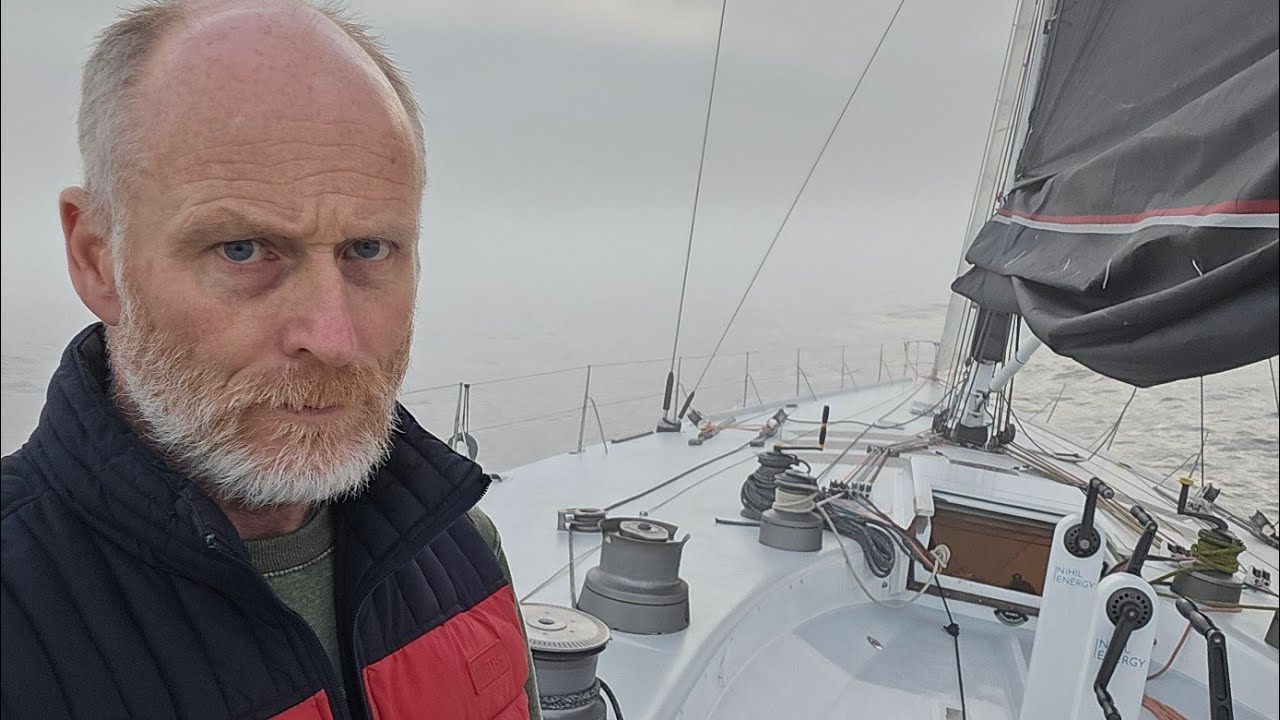
This episode of Mariner is a walk-through of how I prepare the boat — and myself — before going into heavy weather. The conditions here are only going to be around 25 knots, but that’s not the point, it's an example and weather changes, builds early, shifts angle, and can still catch people out. The goal is to make sure you’re never reacting late, never scrambling, and never at the mercy of the situation. We go through: -Building a clear weather plan and logging it properly -Preparing mentally, physically, and practically before things get rough -Setting the boat up so everything is where it needs to be -Clothing, food, hydration, and energy management -Making the interior safe — including where you land if you get thrown -Winch setup and adding a locking turn to stop lines ripping free at the worst moment. This is about running the boat properly, staying ahead of the weather, and removing as many unknowns as possible before a storm arrives. Because once it’s on you, it’s too late to start preparing. Need More Mariner? The Mariner Podcast Practical offshore knowledge — heavy weather, safety, and real-world sailing. Listen here: https://podcasts.apple.com/in/podcast/the-mariner/id1710667118 Mariner’s Library (Podcast) Deep dives into the history, philosophy, and seamanship of life at sea. Listen here: https://themarinerslibrary.podbean.com Support the Project If you want to support the production of this media and the campaign: https://patreon.com/themariner Need 2 Sail? Join me on board Osprey for offshore passages and regatta events. All proceeds go toward funding the my entry in the Global Solo Challenge Round the World Race 2027. Details: https://csmthemariner.com Next Voyage: October Transatlantic We depart Bermuda on October 5th. If you want to be part of the crossing: csmthemariner@gmail.com
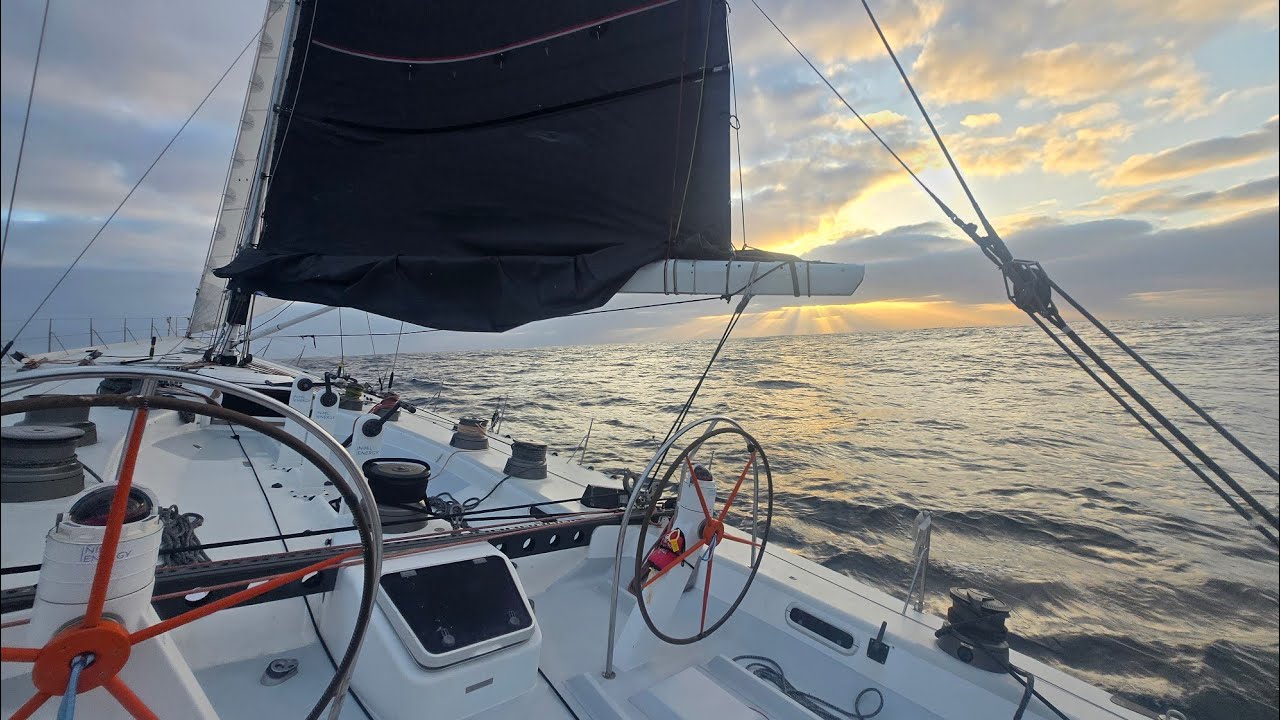
Gybing can be a little daunting , but a little extra knowledge can at least ensure control is maintained. In this video we take a look at a quick gybe of Osprey in about Force 4, and talk through the details thay make it safe. If you want to support the project by sailing with me in a regatta event (all funds go towards funding the boat towards the Global Solo Challenge 2027) get in contact via the website at https://csmthemariner.com If you want to support the production of this Media go to: https://patreon.com/themariner Other Mariner Educational Media Sources Mariner's Library Podcast: Example : #254 | 'The Southseaman' | Weston Martyr | Part 3. One of the most commonly referenced authors from the first half of the 20th century has to be Weston Martyr, and the book everyone compliments is 'The Southseaman'. The episode is available anywhere you stream podcasts: https://Themarinerslibrary.podbean.com/e/255-the-southseaman-weston-martyr-part-3/ The Mariner Podcast If you would like to join me for many more deep dives on topic's like: MOB recovery, heavy weather tactics and offshore seamanship, check out: The Mariner Podcast. https://podcasts.apple.com/in/podcast/the-mariner/id1710667118 Patreon & Youtube Membership To support the production of this material please consider heading over to Patreon where for $5 a month you can get access to all the extra content, including the narrated version of this video (concentrating on the seamanship, safety aspects & stories surrounding what is going on in this video), livestream Q&A's, free consultancy PLUS merch, and exclusive sponsor sailing trips with CSM. Find it all at: https://www.patreon.com/themariner You can also join this channel on Youtube to get access to the same perks as on Patreon: https://www.youtube.com/channel/UCq6ye2Qd2WVPoun_Iks0qVg/joinA

When you realize the water tanks are empty far offshore you need to make sure you have a plan that's instantly implementable otherwise you could face very serious consequences. In this episode of the Mariner we discuss exactly what to do as I deal with a broken water Union that has emptied my water tanks overnight. If you want to support the project by sailing with me in a regatta event (all funds go towards funding the boat towards the Global Solo Challenge 2027) get in contact via the website at https://csmthemariner.com If you want to support the production of this Media go to: https://patreon.com/themariner Other Mariner Educational Media Sources Mariner's Library Podcast: Example : #254 | 'The Southseaman' | Weston Martyr | Part 3. One of the most commonly referenced authors from the first half of the 20th century has to be Weston Martyr, and the book everyone compliments is 'The Southseaman'. The episode is available anywhere you stream podcasts: https://Themarinerslibrary.podbean.com/e/255-the-southseaman-weston-martyr-part-3/ The Mariner Podcast If you would like to join me for many more deep dives on topic's like: MOB recovery, heavy weather tactics and offshore seamanship, check out: The Mariner Podcast. https://podcasts.apple.com/in/podcast/the-mariner/id1710667118 Patreon & Youtube Membership To support the production of this material please consider heading over to Patreon where for $5 a month you can get access to all the extra content, including the narrated version of this video (concentrating on the seamanship, safety aspects & stories surrounding what is going on in this video), livestream Q&A's, free consultancy PLUS merch, and exclusive sponsor sailing trips with CSM. Find it all at: https://www.patreon.com/themariner You can also join this channel on Youtube to get access to the same perks as on Patreon: https://www.youtube.com/channel/UCq6ye2Qd2WVPoun_Iks0qVg/joinA
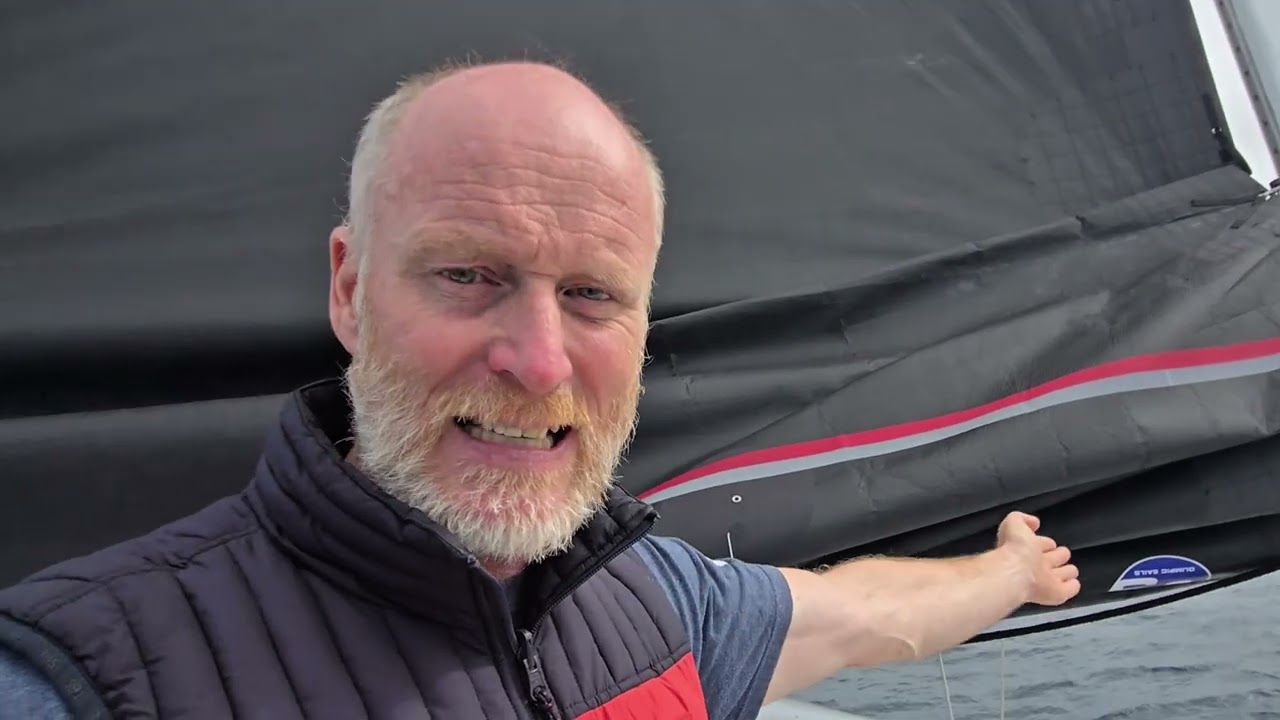
Here I am in the middle of the Atlantic having to do a job on the mainsail in rolling, unsettled seas, So, it's the perfect opportunity to take a look at the preventer which is not just about sailing downwind with a spinnaker but is just is a traditional piece of rigging that dramatically increases your safety. If you want to support the project by sailing with me in a regatta event (all funds go towards funding the boat towards the Global Solo Challenge 2027) get in contact via the website at https://csmthemariner.com If you want to support the production of this Media go to: https://patreon.com/themariner Other Mariner Educational Media Sources Mariner's Library Podcast: Example : #254 | 'The Southseaman' | Weston Martyr | Part 3. One of the most commonly referenced authors from the first half of the 20th century has to be Weston Martyr, and the book everyone compliments is 'The Southseaman'. The episode is available anywhere you stream podcasts: https://Themarinerslibrary.podbean.com/e/255-the-southseaman-weston-martyr-part-3/ The Mariner Podcast If you would like to join me for many more deep dives on topic's like: MOB recovery, heavy weather tactics and offshore seamanship, check out: The Mariner Podcast. https://podcasts.apple.com/in/podcast/the-mariner/id1710667118 Patreon & Youtube Membership To support the production of this material please consider heading over to Patreon where for $5 a month you can get access to all the extra content, including the narrated version of this video (concentrating on the seamanship, safety aspects & stories surrounding what is going on in this video), livestream Q&A's, free consultancy PLUS merch, and exclusive sponsor sailing trips with CSM. Find it all at: https://www.patreon.com/themariner You can also join this channel on Youtube to get access to the same perks as on Patreon: https://www.youtube.com/channel/UCq6ye2Qd2WVPoun_Iks0qVg/joinA