Welcome aboard to the our video site for sailors. We are being constantly blasted by scammers and pirates, so registration is invite only
contact@sailorsahoy.com with "Invite". No spam, no newsletters. Just a free account
Calção Crio
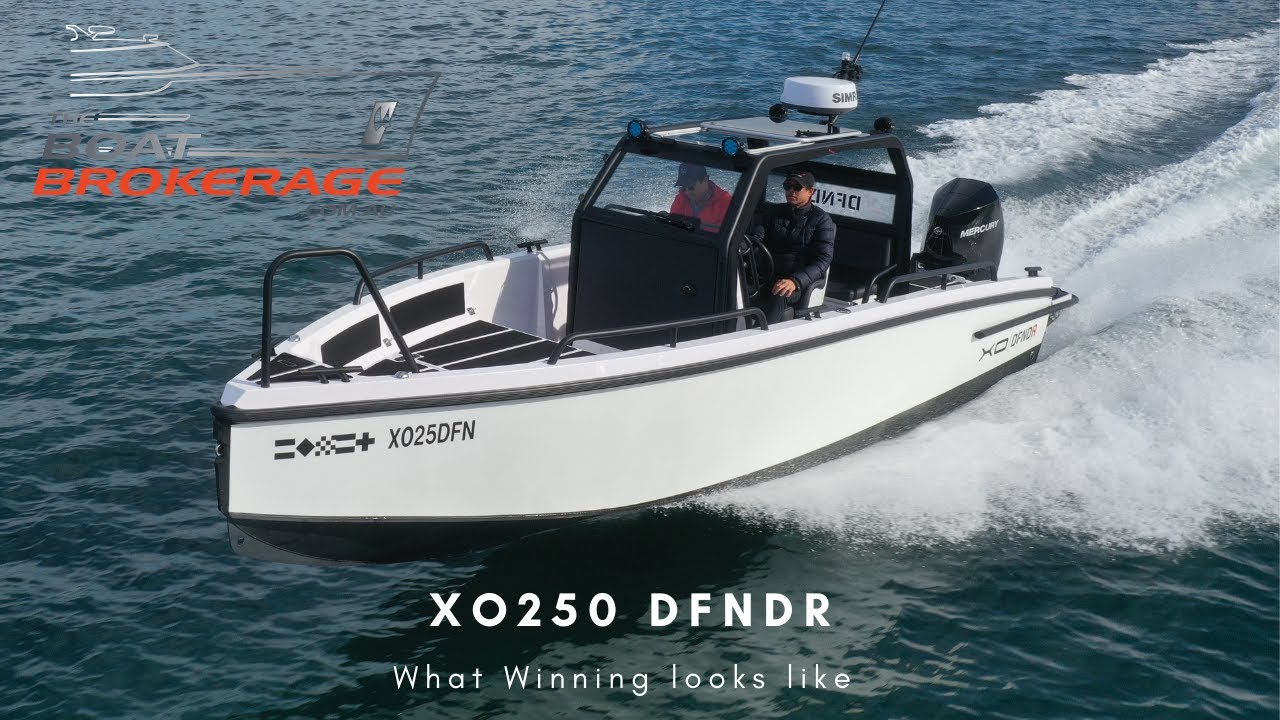
https://www.theboatbrokerage.com.au/listing/xo-dfndr-250/ - XO250 DEFNDR 8 https://www.theboatbrokerage.com.au/ - Our Website Words just aren't enough to describe this weapon of a boat so you'll have to subscribe to get notified about the full test drive and walkthrough video. But seriously this boat is cool. Military Grade alloy hull, blisteringly quick and smooth running with a list of awesome features and a cool factor that's just off the scale. Some boats are meant to be Driven Some boats are meant to be Enjoyed Some boats are meant to be Appreciated This boat is ALL OF THE ABOVE Enjoy Dan Jones

0
0
0
2,264

The head-turning 49.5m Palmer Johnson, renowned for her all-carbon construction and pioneering tri-hull design is now offered with a €5M price reduction. Extensively refitted in 2020 and 2023, she delivers impressive performance, exceptional interior volume, and a striking contemporary aesthetic that remains ahead of her time. KHALILAH is listed at €14,900,000, presenting a rare opportunity to acquire a truly distinctive superyacht. @superyachttimes

0
0
0
833

Contact us now to receive full details on this exceptional Dragonfly 28 Sport info@Multihull.co.uk www.Multihull.co.uk

0
0
0
4,251
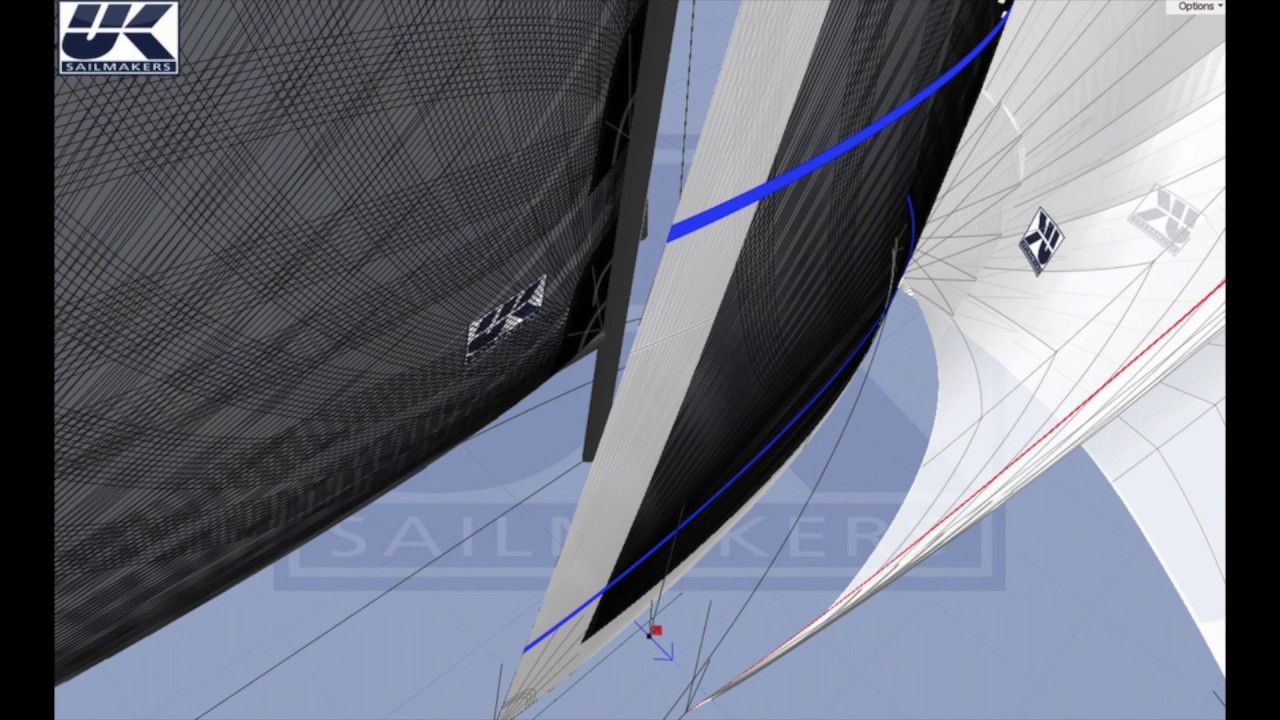
UK Sailmakers uses very powerful 3-D CAD/CAM software for sail design, which create virtual 3-D molds that can be digitally sliced into two-dimensional panels that when joined back together re-create a full-size version of the designed mold. Thanks to powerful 3-D graphic renderings, designers can see how sail fit around the spreaders and shrouds as well as make sure the clew height and sheeting angles are right. They can also analyze how a main and genoa work together to make sure the boat stays balanced. What we are looking for is a sailplan and sail shapes that put the maximum driving force in precisely the right place to produce a perfectly balanced boat – and with the least amount of drag. Pat Considine, UK Sailmakers’ chief designer, goes a step further and uses Fluid Structural Interaction software, called FSI for short, as a virtual wind tunnel for refining sail designs and sail construction. FSI calculations are used to test proposed designs and cloth choices to make sure they are not built too strong (too heavy) or too weak (too light) for their expected loads. The FSI calculations will predict whether a design and construction will keep its shape properly as the rig bends, halyards are tightened and sheets are trimmed. Shown rotating in this video are two renderings of a Tripp 47 mainsail design. The side-by-side comparison shows the sail with no backstay tension and with max backstay trim. The FSI software allows Pat to rotate the two designs together to study their shape from any angle. In this case, Pat needed to be sure the draft would not move too far aft as the sail was flattened; likewise, he had to make sure the draft was not too far forward when the backstay was eased completely. The FSI program has made extremely accurate predictions of how specific sail designs will perform once made and trimmed in a variety of wind speeds. These tests ensure sails will meet the performance needs right out of the bag.

0
0
0
1,051

Watch the full episode traveling from the Pacific Coast to Loreto on my channel.

0
0
0
2,662

Love my nomadic life on the ocean! Best decision I’ve ever made. Sold everything, bought a boat and went sailing! It’s been more than 5 years of living this beautiful lifestyle and I love every second of it. Hopefully many more to come!

0
0
0
4,489