Welcome aboard to the our video site for sailors. We are being constantly blasted by scammers and pirates, so registration is invite only
contact@sailorsahoy.com with "Invite". No spam, no newsletters. Just a free account
Celana pendek Membuat


0
0
0
27

The anchorage is Pristine, Remote, Biodiverse, Tropical - Unspoiled, Clear Isla Escudo de Veraguas, like many parts of the New World, was known to indigenous peoples long before Europeans arrived. The island was later "re-discovered" by Europeans during the era of exploration While there is no specific record pinpointing the exact European explorer who first set foot on Isla Escudo de Veraguas, it is likely that the island was noted by Spanish explorers who were mapping the Caribbean coast of Central America. Notably, Christopher Columbus, on his fourth and final voyage to the Americas in 1502, explored the Bocas del Toro archipelago, which includes Isla Escudo de Veraguas. However, detailed records of his voyages primarily focus on larger islands and significant landmarks. Isla Escudo de Veraguas is a hidden gem off the coast of Panama, known for its pristine beauty, remote location, and rich biodiversity. This island, part of the Bocas del Toro archipelago, is a relatively untouched paradise, offering a unique and captivating experience for those fortunate enough to visit. Pristine Beauty One of the most striking features of Isla Escudo de Veraguas is its unspoiled natural beauty. The island is surrounded by crystal-clear turquoise waters, white sandy beaches, and lush tropical vegetation. The vibrant colors of the coral reefs and the diverse marine life make it a paradise for snorkelers and divers. The island’s interior is equally stunning, with dense rainforests and mangroves teeming with wildlife. The tranquility and untouched nature of the island provide a perfect escape from the hustle and bustle of modern life. Remote Location Isla Escudo de Veraguas is located approximately 20 miles off the coast of the mainland, making it one of the more remote islands in Panama. This remoteness is both a blessing and a challenge. It has helped preserve the island’s natural beauty and biodiversity, as it is not overrun by tourists. However, reaching the island requires careful planning and a sense of adventure. Most visitors access the island by boat from the nearby town of Almirante or through organized tours from Bocas del Toro. The journey to the island is part of the adventure, offering breathtaking views of the Caribbean Sea. Rich Biodiversity The island is a biodiversity hotspot, home to many endemic species found nowhere else in the world. The marine ecosystem around Isla Escudo de Veraguas is incredibly rich, with vibrant coral reefs that host a plethora of fish, sea turtles, and other marine creatures. On land, the island is home to several unique species, including the critically endangered pygmy three-toed sloth, which is found only on this island. Birdwatchers will also be delighted by the variety of avian species that inhabit the island, including colorful parrots and toucans. Tropical Climate The island’s tropical climate is characterized by warm temperatures and high humidity year-round, making it an ideal destination for those seeking a tropical getaway. The best time to visit is during the dry season, from December to April, when the weather is more predictable and the seas are calmer. However, even during the rainy season, the island’s lush greenery and vibrant wildlife make it a worthwhile destination. Unspoiled Paradise One of the most appealing aspects of Isla Escudo de Veraguas is its unspoiled nature. Unlike many other tropical destinations, the island has not been developed for mass tourism. There are no hotels, resorts, or commercial establishments on the island, allowing visitors to experience its natural beauty in a truly authentic way. This lack of development also means that visitors need to be self-sufficient, bringing their own supplies and camping equipment if they plan to stay overnight. Conservation Efforts The pristine nature of Isla Escudo de Veraguas is not accidental; it is the result of ongoing conservation efforts. Local and international organizations are working to protect the island’s unique ecosystems and species. Visitors are encouraged to respect the island’s natural environment by minimizing their impact, practicing responsible tourism, and supporting conservation initiatives. In conclusion, Isla Escudo de Veraguas is a hidden paradise that offers a rare opportunity to experience an untouched tropical environment. Its pristine beauty, remote location, rich biodiversity, and unspoiled nature make it a must-visit destination for nature lovers and adventurers alike. Whether exploring its vibrant coral reefs, spotting unique wildlife, or simply enjoying the serenity of its beaches, visitors to Isla Escudo de Veraguas will undoubtedly leave with unforgettable memories of this extraordinary island.

0
0
0
20
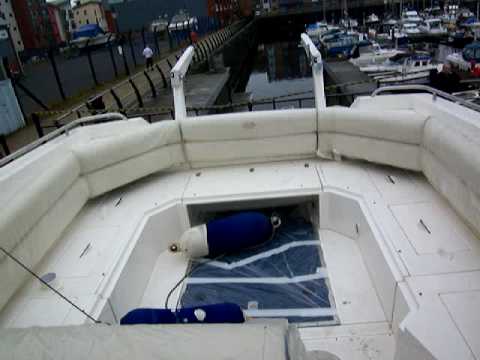
https://www.yachts.co Unit 1 Fishmarket Quay Swansea Marina SA11UP 01792 465550 Info@yachts.co

0
0
0
3,273

Uma tarde de vento bom (12 ~ 15 nós) com um maravilhoso pôr do sol na Guarapiranga. A bordo do flash 165, o vento estava forte e recolhi a buja pois estava ficando sem controle e com adernadas excessivas. Compartilhe, dê seu like e se inscreva no canal.
0
0
0
73

Book now and enjoy the most extraordinary experience in Santorini

0
0
0
521

Lasciamo Boca Chica. Oggi nuova esperienza: cane antidroga a bordo! 7 poliziotti sono saliti a bordo per controllare che tutto fosse a posto prima che lasciassimo la Repubblica Dominicana. E con il loro sacro benestare, riempiamo tutti i serbatoi e molliamo gli ormeggi. La giornata inizia con assenza di vento, poi arriva. Fresco e soprattutto non da dietro. Siamo naviganti del Mediterraneo, dell’Adriatico nello specifico, e siamo soliti bolinare con grande frequenza. Ma qui ci eravamo abituati troppo bene. Venti che spingono, costanti. Onde che ti fanno salire e scendere dolcemente. Che è sta cosa che si risale il vento?😂 Scherzi a parte, ci godiamo i frutti del lavoro di ieri. La barca scivola di nuovo veloce. Ha decisamente bisogno di nuova antivegetativa, ma per questi giorni va benissimo così. Torna a fare 9 nodi con la sua eleganza e disinvoltura, facendoci ricalcolare tutti i tempi del trasferimento stimato verso le BVI. Un piccolo inconveniente (si è scucita la fascia della balumina del Genoa in un punto) ci obbliga a richiudere la nostra amata vela di prua e issare la trinchetta. In buona sostanza un atteggiamento conservativo: randa con una mano e trinchetta. Julia pare aver voglia di cavalcare perché tiene comunque una velocità di 7,5/8 nodi di avanzamento. Finora una navigazione tranquilla che ci ha fatto fare più strada di quanto pensassimo, ora ci aspetta il salto verso Porto Rico, dove perderemo il ridosso della Repubblica Dominicana. Bisogna tenere duro 70/80 miglia per poi essere di nuovo protetti dall’isola. Per oggi è tutto a bordo di Julia! Vi aggiorneremo strada facendo sul procedere della navigazione. In alto i cuori, marinai! Siate con noi. A domani❤️ Andrea

0
0
0
2,340