Welcome aboard to the our video site for sailors. We are being constantly blasted by scammers and pirates, so registration is invite only
contact@sailorsahoy.com with "Invite". No spam, no newsletters. Just a free account
מִכְנָסַיִים קְצָרִים לִיצוֹר

Titan Fleet Training Centre contact information: Antibes Office - Tel: +33 (0)754 502 038 Email: antibes@seascopemaritimetraining.co.uk Golfe Juan Office - Tel: +33 (0)492 937 507 Email: training@titanfleet.com Liverpool Office - Tel: +44 (0)151 709 3290 Email: info@seascopemaritimetraining.co.uk Visit our training webpage: www.titanfleet.com/training

0
0
0
45

0
0
0
0
2,731

0
0
0
0
517

Built by renowned Dutch shipyard Kempers, this Kempers 2200 "Our Choice" combines exceptional craftsmanship with the versatility to live aboard, cruise long distances and even cross oceans. Her current owner has invested significantly in upgrades and maintenance, resulting in a yacht that is fully prepared for new adventures. Numerous improvements and updates have been completed, providing comfort, reliability and peace of mind wherever your journey takes you. The smart layout places the aft deck, saloon, galley and owner’s cabin all on one level, creating a spacious and comfortable living environment. Whether you are planning extended cruising, life aboard or worldwide exploration, this Kempers 2200 is ready to go. Located in Copenhagen and available for inspection. Want to see her in person? Contact De Valk Sneek for more details. https://www.devalk.nl/en/yachtbrokerage/809519/KEMPERS-2200.html

0
0
0
15

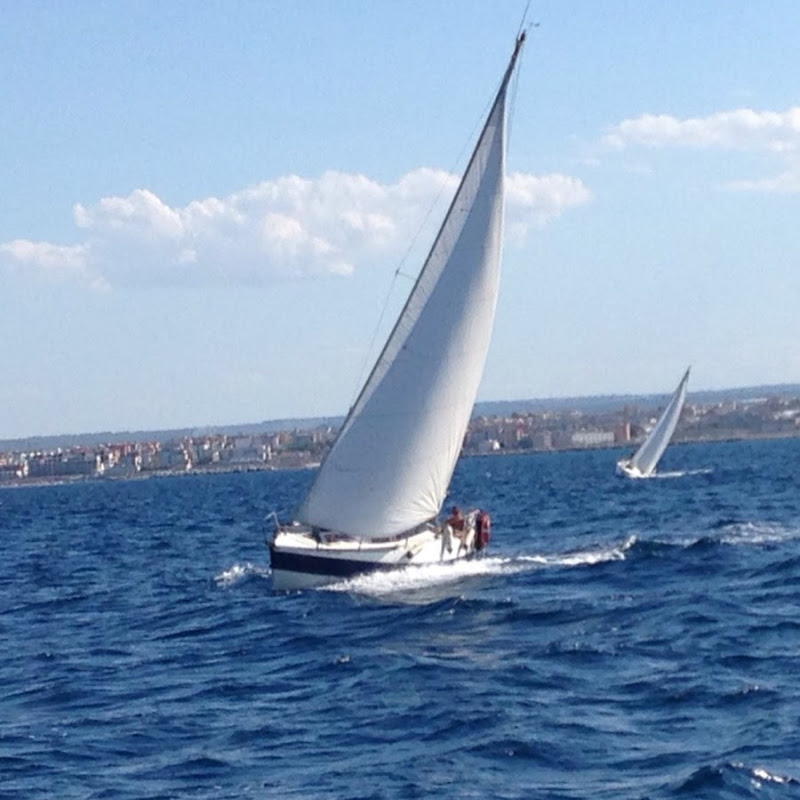
Barca a vela Aqualong con vento di tramontana
0
0
0
595

Sail Turkey | Oludeniz best anchorage | watch the visual pilot video Watch the full Visual pilot video : https://youtu.be/Xtxrtb0s4ug #Sailing #Turkey #sailors

0
0
0
690