Welcome aboard to the our video site for sailors. We are being constantly blasted by scammers and pirates, so registration is invite only
contact@sailorsahoy.com with "Invite". No spam, no newsletters. Just a free account
Quần short Tạo ra

Some of our boats having fun around the world.....#vision444 #boatoftheyear
0
0
0
152

0
0
0
0
12,028

0

0
0
0
220

Giles Scott (GBR) had already wrapped up the Finn gold medal before contesting the Medal Race today, but Vasilij Zbogar (SLO) secured silver, the third Olympic medal of his career, while Caleb Paine (USA) sailed a great race to clinch bronze on the Pão de Açucar (Sugarloaf Mountain) course. All ten competitors had a shot at winning a medal of some colour, so close were the points going into today's finale. The exception was four-time and reigning World Champion Scott whose 24-point buffer made him unassailable for the gold medal. Ivan Gaspic (CRO) started the day in bronze medal position but the American Paine went better in the moderate winds to finish first across the line, which gave the ecstatic American the medal by a comfortable margin.

0
0
0
951


0
0
0
1,465

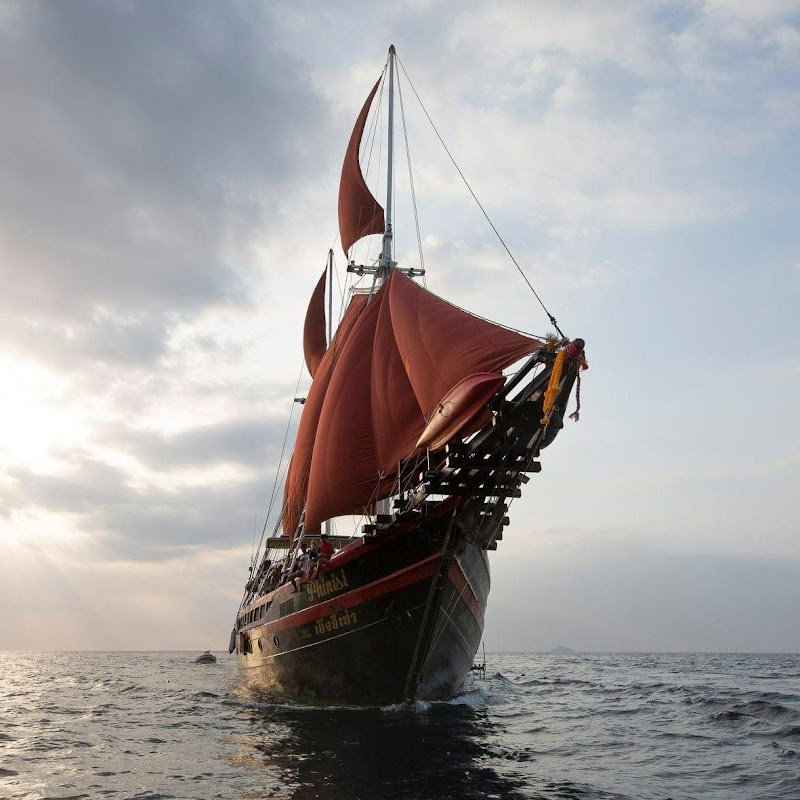
Come and JOIN the ADVENTURES - https://thejunk.com/liveaboard-schedules/ Plankton are an incredibly diverse group of organisms that inhabit the world's oceans, lakes, and rivers. They are classified into two main categories: phytoplankton, which are microscopic plants, and zooplankton, which are tiny animals. Characteristics of Plankton Drifting Nature: Plankton are primarily characterized by their inability to swim against currents. Instead, they drift with the water flow, which means their distribution is largely influenced by oceanic and atmospheric currents. This drifting lifestyle allows them to occupy various ecological niches in both freshwater and marine environments. Size and Diversity: Plankton vary dramatically in size, ranging from tiny bacteria (nanoplankton) to larger organisms like jellyfish (macroplankton). This diversity also extends to their biological classifications, including single-celled organisms like diatoms and dinoflagellates among phytoplankton, and small crustaceans such as copepods among zooplankton. Ecological Importance: Plankton play a crucial role in aquatic ecosystems. Phytoplankton are primary producers, converting sunlight into energy through photosynthesis and forming the base of the food web. Zooplankton feed on phytoplankton and serve as a food source for larger marine animals, including fish and whales.
0
0
0
165