Welcome aboard to the our video site for sailors. We are being constantly blasted by scammers and pirates, so registration is invite only
contact@sailorsahoy.com with "Invite". No spam, no newsletters. Just a free account
Celana pendek Membuat

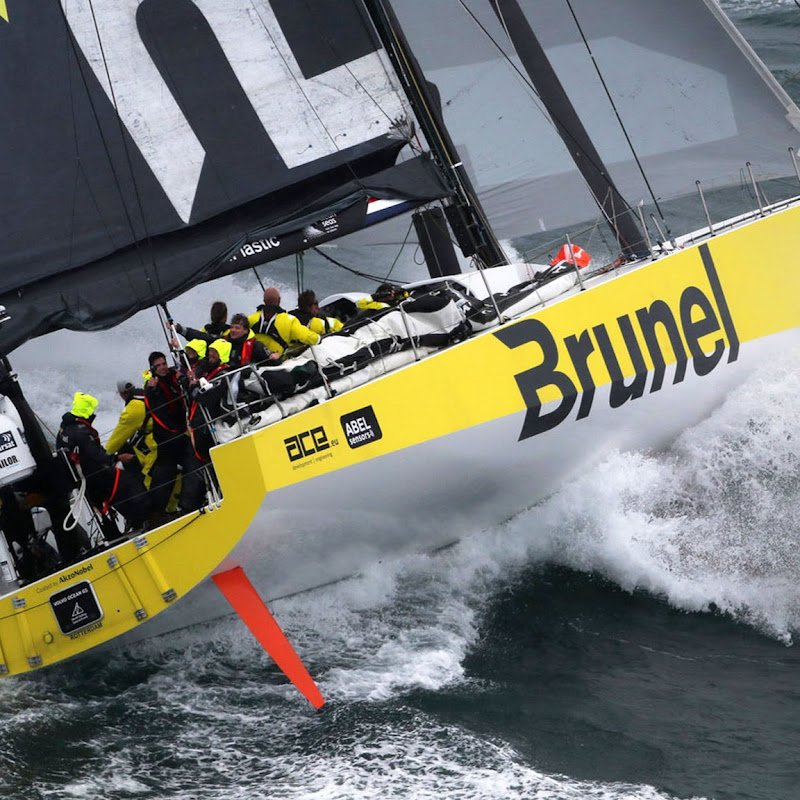
Performing as a team isn't just something that happens. It needs to be constructed like a Swiss clockwork. Follow Team Brunel: #teambrunel http://www.brunelsailing.net https://twitter.com/brunelsailing https://www.facebook.com/brunelsailing https://www.instagram.com/brunelsailing/ https://www.youtube.com/user/TeamBrun... A Magenta Films production http://www.magenta-films.com
0
0
0
691

Transition to a new type of sailing, without limits. #SoutherlyYachts #Sailing #Sail #SailingYacht #SailLife

0
0
0
61

0

0
0
0
65
Patreon live stream: https://www.patreon.com/155948/events/158978540

0
0
0
14,530

🗺️ Navigating Check-in Procedures in French Polynesia Made Easy 🇵🇫⛵️ Checking into paradise? There’s a smoother way to do it now! ⛵ 🔗 Podlink: https://tinyurl.com/SaltyPodcast55 #SaltyAbandon #SaltyPodcast #Sailing #FrenchPolynesia #CruisingSailboat #pacificsailing SALTY ABANDON: Cap'n Tinsley, Orange Beach, AL Oct 2020 to Present: 1998 Island Packet 320 Nov 2015 - Oct 2020: 1988 Island Packet 27 Feb - Nov 2015: 1982 Catalina 25 SALTY PODCAST is LIVE every Wed at 6pm Central and is all about the love of sailing! SUPPORT THE PODCAST: http://patreon.com/SaltyAbandon. YOUTUBE PLAYLIST: https://tinyurl.com/SaltyPodcastPlaylist LISTEN TO THE PODCAST (Audio only): Apple: https://podcasts.apple.com/us/podcast/salty-podcast-sailing/id1732800578 Spotify: https://open.spotify.com/show/1qUHKGBDJSiwEZUFiF6CwO Amazon Music: https://music.amazon.com/podcasts/87d4d45b-f013-4222-8927-2efc21ac48cc/salty-podcast-sailing And anywhere you get your podcasts! MY PODCAST GEAR: Rodecaster Pro II Podcast Console: https://amzn.to/49nZ2o9 Shure Podcast Mic: https://amzn.to/49ndAoI Insta360Link AI Cam: https://amzn.to/49IuKNb Mic Boom: https://amzn.to/42RGb2T Elgato Prompter: https://amzn.to/3LHuS5L Streamdeck+: https://amzn.to/3zX3m1s Desktop Light Stand: https://amzn.to/4dpvvg4 DJI Wireless Lav Mic: https://amzn.to/3RPqAws DJI Mini 3 Pro Drone: https://amzn.to/45WQtjI PODCAST TOOLS Streamyard: Https://streamyard.com/pal/d/5430067749060608 Create AI Clips: https://klap.app/?via=SaltyAbandon Tube Buddy Channel Tools: https://www.tubebuddy.com/pricing?a=SaltyAbandon BOAT GEAR: Purisan Waste Filtration System: https://amzn.to/4eLZCQ6 #saltyabandon #sailing #podcast #sailboat #islandpacket #saillife #sailinglife #instasailing #sailingship #sailingtrip #sailingyacht #sailingphotography #sailinginstagram #sailingday #sailingadventure #sailingpassion #smoothsailing #sailingworld #sailingaway #islandpacket #IP320
0
0
0
4,685


0
0
0
72