Welcome aboard to the our video site for sailors. We are being constantly blasted by scammers and pirates, so registration is invite only
contact@sailorsahoy.com with "Invite". No spam, no newsletters. Just a free account
ショーツ 作成

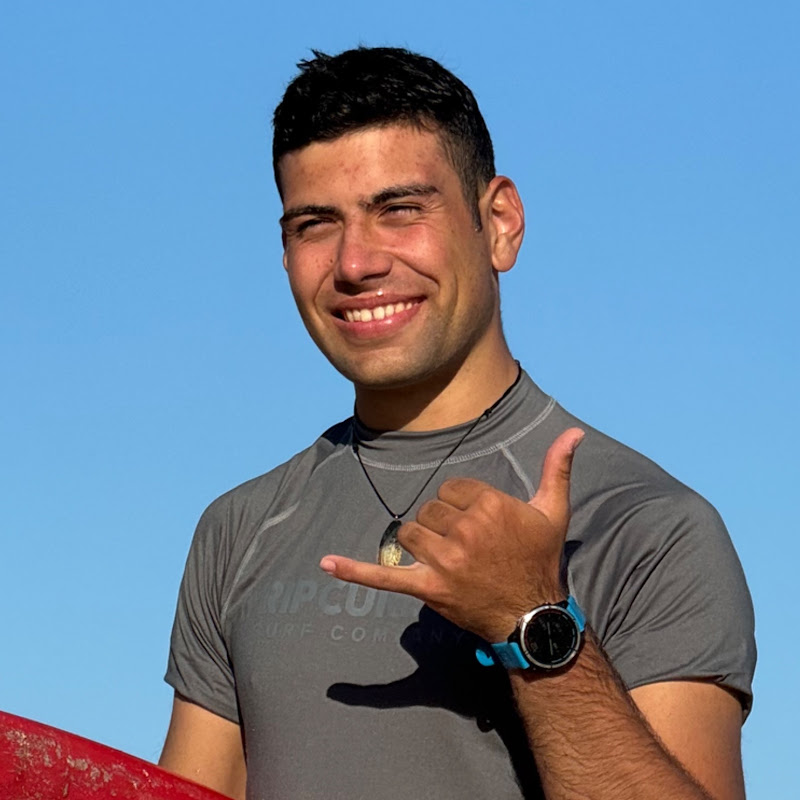
Surfing in Gold Coast Segui @matteorapposelli_ #matteorapposelli #mydoagency #goldcoast #australia #surf #ocean #surfing #PacificOcean #explore #adventure #australiasurf
0
0
0
56

kommt vorbei, 23 Segler versprechen eine spannende Regatta. Mehr Infos zu dieser ausgebuchten Veranstaltung findet ihr auf der Homepage des MYC-München. www.myc-muenchen.de Wusstet du schon? 2023 segelten 83 Segler, aus 8 Nationen mit uns in und um München 16 Regatten mit acht verschiedenen Bootsklassen. Swing by and hype up the sailors! RC sailing’s all about controlling the boat from a distance, no need to be on board—just pure action from afar. fact: In 2023, 83 sailors from 8 countries raced in 16 regattas around Munich, with 8 different RC boat classes. Same race rules, same intense competition. Wanna know more? Hit up www.myc-muenchen.de.
0
0
0
79
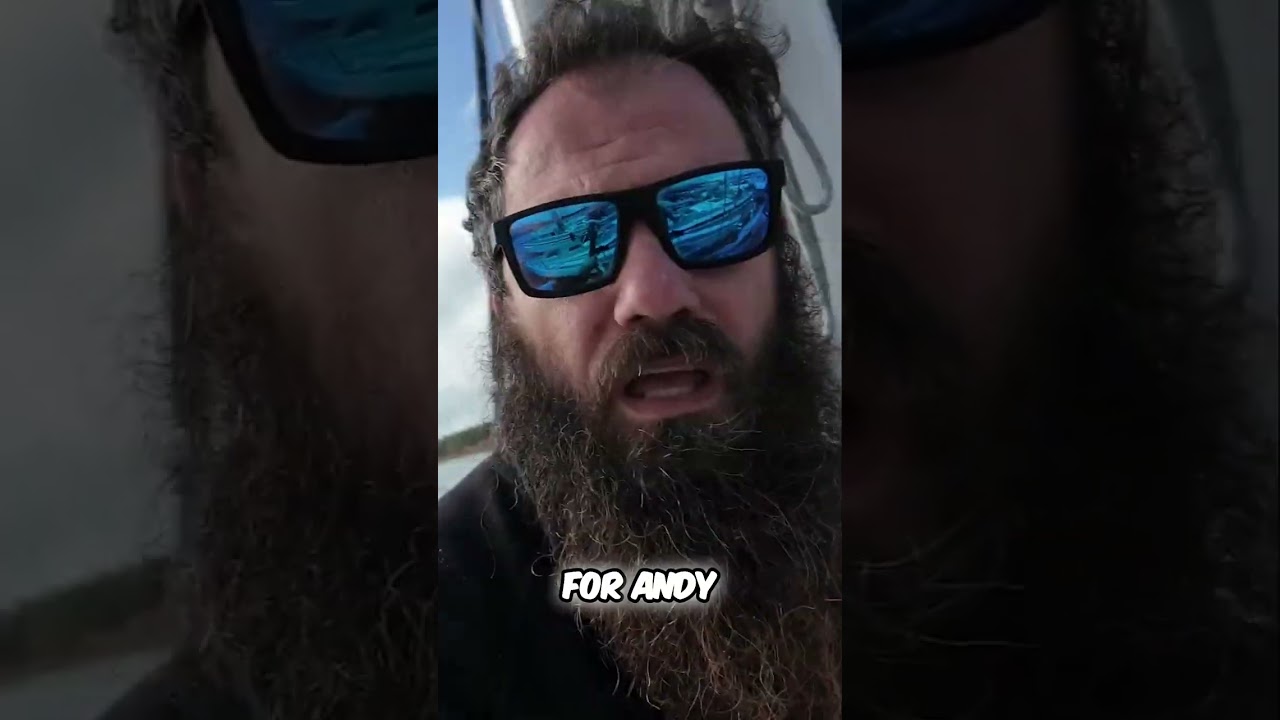
Join us for a marina adventure! We recap recent work, give a shoutout to Blue Rigging for an awesome gift, and discuss our Greece trip logistics. Get ready for travel plans and boat adventures! #MarinaLife #WorkRecap #Shoutout #BlueRigging #GreeceTrip #TravelPlans #BoatAdventures #SummerVibes #Sailing #TravelVlog

0
0
0
423

0
0
0
0
225


0
0
0
1,361

Saison 2 Episode 01 🌞Bienvenue sur moncatamaran.com, une chaîne dédiée aux voyages et à la vie en mer à bord de notre voilier ATIPIK. 🌊Envie d'EVASION, de PASSION, d'EMOTION ? Voyageons ensemble dans notre tour dans le monde ! ⛵ Plus qu'un multicoque, ATIPIK est le point de départ de voyages inoubliables, d'expériences passionnantes et de rencontres incroyables. Nous sommes William et Sabine, diplômés de la Marine Marchande et nomades de la mer. Nous partageons nos navigations à travers des vidéos immersives et des croisières que vous pouvez vivre à nos côtés au fil de l’eau. Embarquez en vous abonnant ou rejoignez-nous à bord de notre catamaran ATIPIK ! PYLOS - NAVARIN : LA DERNIERE BATAILLE NAVALE A LA VOILE / NAVIGUER SOUS LE SOLEIL : ON S'EQUIPE AVEC KER SUN ⚓GRECE - GRECE CENTRALE - Mer Ionienne - PREVEZA ⚓GRECE - Mer Ionienne - Canal de LEFKAS ⚓GRECE - Mer Ionienne - MEGANISI ⚓GRECE - PELOPONNESE - Mer Ionienne - PROTI ⚓GRECE - PELOPONNESE - Mer Ionienne - PYLOS __________ 🌞👒Notre partenaire pour la séquence PROTECTION SOLAIRE KER SUN, Vêtements de protection solaire haute performance certifiés UPF 50+ 🎯 https://www.ker-sun.com/en-eu/collections/womens-uv-protective-clothing?gad_source=1&gad_campaignid=22359511802&gbraid=0AAAAACgWK2ig74-e5L8Ijg2gH6WwK9Plm&gclid=CjwKCAjwn6LABhBSEiwAsNJrjsIIo3KJIHt6cVqvvK8f-q3gL5h06P0XxJjp-m6ttJuOy9B2mvQVgRoCpTIQAvD_BwE __________ 📢 N'oubliez pas de liker, partager, commenter et vous abonner gratuitement pour ne rien manquer de nos prochaines explorations ! Voyagez encore plus avec nos playlists 🗺️ : 🧭DECOUVRIR L' ALBANIE, PAYS DES BALKANS : RIVIERA ALBANAISE, TIRANA, VILLES PITTORESQUES (BERAT - GJIROKASTER - THETH - DURRES) ALPES ALBANAISES https://www.youtube.com/watch?v=AwLCajufNDY&list=PLizph01AFQvxX-ADpRKeZDjuCMQUs-EJj 🧭ALLER EN GRECE : VOYAGES & CROISIERES EN GRECE SUR UN CATAMARAN https://www.youtube.com/watch?v=n65sZI7qe7E&list=PLizph01AFQvyh69PfcbYWtovWl5KOj88i 🧭VISITER L'ITALIE EN CATAMARAN : NOTRE TOUR DANS LE MONDE ! https://www.youtube.com/watch?v=N0s7Dk4xKsU&list=PLizph01AFQvzE_GtIYGIVpAJ5JEzAkatR 🧭VOIR LA CORSE EN CATAMARAN : DERNIER TOUR AVANT DE PARTIR POUR NOTRE TOUR DANS LE MONDE ! https://www.youtube.com/watch?v=- TMUtFrSuCg&list=PLizph01AFQvy81z7yG6wibqvPku3R9Pdl 🧭MONCATAMARAN.COM : VOYAGE ET CROISIERE SUR ATIPIK https://www.youtube.com/watch?v=n65sZI7qe7E&list=PLizph01AFQvxJdqfTqLdzh9R_SjeklIXq __________ 🔗 LIENS 📘Facebook / moncatamarancom 💻Site internet https://www.moncatamaran.com 📲Application Polarsteps : https://www.polarsteps.com/moncatamar... 🎥Abonnez-vous gratuitement et ne ratez plus nos vidéos de voyage en cliquant ici UC-JGFzYV1YP4NBXYGovZMkg https://www.youtube.com/channel/UC-JGFzYV1YP4NBXYGovZMkg 🔔Ne manquez aucune escale en activant la cloche de notification 👍Cliquez sur "J'aime" pour prendre votre carte d'embarquement et partagez cette vidéo d'invitation à l'évasion 📧Envie d'une croisière privatisée ? Contactez moi moncatamaran@gmail.com 📌Publication YouTube le samedi 🌐 SOURCES Epave Image par OpenClipart-Vectors de Pixabay ancre Image par Królestwo_Nauki de Pixabay La Bataille de Navarin Par George Philip Reinagle — http://www.artclon.com/OtherFile/George-Philip-Reinagle-xx-The-Battle-of-Navarino-20-October-1827.jpg, Domaine public, https://commons.wikimedia.org/w/index.php?curid=24598220 musique Musique générée par Mubert https://mubert.com/render Crepusculo Mental Music by aura sound Valente from Pixabay Nightly News Theme Music by PostadorDeMúsicas from Pixabay Podcast music good vibe Music by Studio3DMusic from Pixabay
0
0
0
203