close

Welcome aboard to the our video site for sailors. We are being constantly blasted by scammers and pirates, so registration is  invite only


contact@sailorsahoy.com with "Invite". No spam, no newsletters. Just a free account

Shorts Create

Celebrate any special event with a private sunset sail across the Airlie Beach bay on your own 60ft sailing catamaran. Watch how the last peak of the sun hides and relax with a cold beverage on the top sundeck while enjoying a freshly prepared grazing platter. BYO your own pre chilled drinks and tailor the best time for you needs There is always a good excuse to sail in paradise during the magic hours of the day! An Airlie Beach Private Sunset Sail is perfect for a romantic setting while on holidays, pre or post-wedding events, Hens or Bucks celebrations, family reunions, birthdays, Christmas parties and more. This is a whole vessel private charter hire for your family & friends. Charters depart and return from Coral Sea Marina, Airlie Beach Queensland
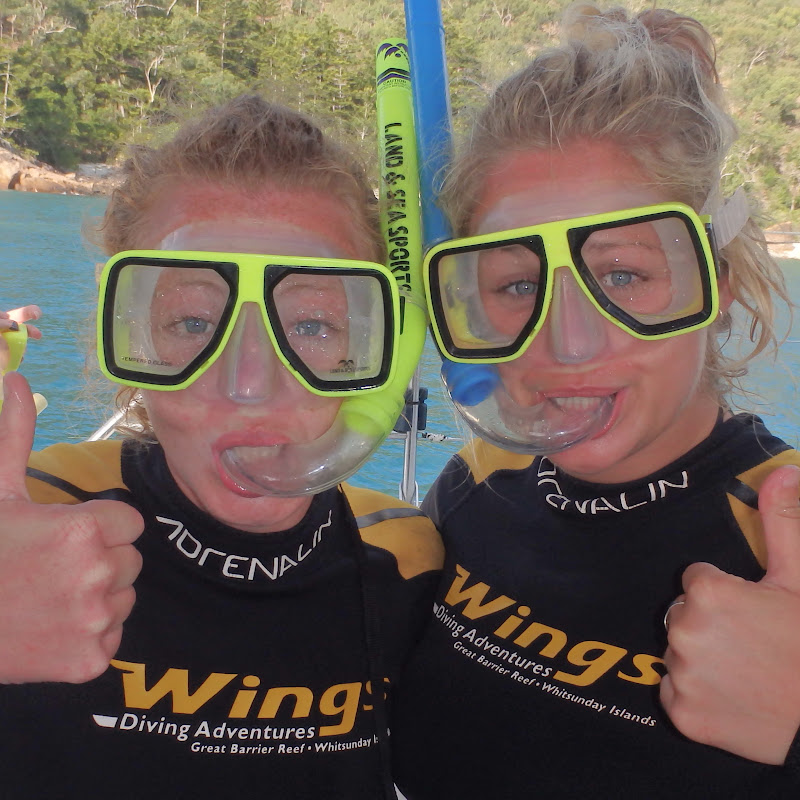
wingssailingcharters

0

0

76

0

sailingforever7976

0

0

148

Redneck Honky Engineering: DIY Boat Fans for Hot Days on the Water Staying cool on a boat during a long trip can be tough, especially in warm weather. Imagine you're sailing toward Puerto Rico, but your boat's fans keep failing. That's the problem one boater faced, leading to a quick, no-frills fix using what was on hand. This "redneck honky engineering" approach shows how simple tweaks can keep you comfortable without fancy tools. In this post, we'll break down the setup, why it works, and tips to try your own version. The video starts with the boater testing fans mounted high on the boat. One spins wildly, then slows and dies. It's a common issue—standard fans can't handle the boat's motion or heat. Frustrated but creative, the boater rigs up a homemade solution. He attaches fans with wires and basic holders, calling it "honky customized" until reaching port. His wife chimes in, saying it looks "stupid" with dangling wires, but admits it's blowing cool air. No 3D printer or high-tech gear here—just practical ingenuity. What makes this redneck honky engineering so appealing? It's all about resourcefulness. "Redneck" often means using scrap materials for tough jobs, while "honky" adds a fun, folksy twist to the DIY spirit. On a boat, space is limited, and you can't always run to a store. This setup uses zip ties, tape, or wire to secure small fans aimed at key spots like the helm or sleeping area. The result? Steady airflow without breaking the bank. Let's dive into the steps to replicate it. First, pick your fans. Go for 12-volt USB models that run off boat batteries. They're cheap and easy to find online or at hardware stores. Mount them high to push air down, like in the video. Use sturdy brackets or even old coat hangers bent into shape. Secure wires with electrical tape to avoid snags—safety first on water. One fan might not cut it, as the boater notes. Imagine four of them: they'd create a breeze like a mini AC system. Position two for the cockpit and two for below deck. Test them in wind to ensure they don't spin out. If wires dangle, bundle them with clips. It's not pretty, but function beats form when you're sweating. Why does this matter for boaters? Heat exhaustion is real on the water. The CDC says high temps can cause dizziness or worse, especially if you're dehydrated. A reliable fan setup keeps you alert and safe. Plus, it's eco-friendly—running fans uses less power than a full AC unit, saving battery life for essentials like navigation. For those new to boating, redneck honky engineering builds confidence. You don't need engineering degrees; just problem-solving skills. Start small: fix a leaky hose with a soda bottle or reinforce a seat with duct tape. Over time, these hacks become second nature. The boater's wife might not love the look, but practicality wins. If you're heading to places like Puerto Rico, where humidity spikes, this could be your lifesaver. Expand on safety tips. Always check electrical connections to prevent shorts—water and electricity mix badly. Use marine-grade wire for durability. If upgrading later, consider solar-powered fans for off-grid trips. Brands like Caframo make rugged options, but the DIY route keeps costs under $5 per fan. Real-world examples abound. Boaters on forums like CruisersForum share similar stories: rigging shade sails from tarps or cooling bunks with ice packs. This video captures that spirit—quick, effective, and humorous. The boater's excitement shines through, turning a breakdown into a win. In conclusion, redneck honky engineering proves you can beat the heat with what you've got. Whether you're a weekend sailor or full-time cruiser, try this fan hack next time. It might look rough, but it'll keep you cool until the pros take over. Share your own DIY stories in the comments—what's your go-to boat fix?

chrisdoeswhat

0

0

436

Louison vous fait découvrir son métier de chaudronnier et ce qui l'anime au quotidien à travers son témoignage. Il est toujours assez étonnant de voir d’où commence la naissance des OVNI et des Cigale… L’arrivée des plaques d’aluminium prédécoupées sur palette… De cette forme initiale, plane, les hommes lui apportent rondeurs et formes autour du mannequin. Le savoir-faire de nos compagnons, comme Louison, réside dans l’assemblage par soudure-pointée. Ces feuilles d’aluminium de 4 à 10 mm d’épaisseur sont rapprochées et soudées entre elles pour devenir une coque, un pont et enfin un voilier d’une robustesse incroyable. Il faut compter 10 semaines en moyenne en chaudronnerie avant que cette unité en aluminium rejoigne l’étape de la peinture. ENGLISH PRESENTATION Louison makes you discover his job as a metalworker and what drives him on a daily basis through his testimonial. It is always quite impressing to see where the birth of the OVNI and the Cigale yachts begins ... The arrival of pre-cut aluminum plates on a pallet ... From this initial, flat shape, men bring curves and shapes around the mannequin. The know-how of our companions, like Louison, is in the assembly by point welded. These 4 to 10 mm thick aluminum plates are gathered and welded together to become a hull, a deck and finally a very sturdy sailboat. It takes an average of 10 weeks in metalwork before this aluminum unit reaches the painting stage.

alubat5406

0

0

1,745

Learn about the Hawken anchor watching system and how it works on a boat. We will show you how to set your anchor, monitor its distance, and receive alerts if it moves, as well as how the system works with the tree data navigation. #AnchorWatchingSystem #HawkenAnchor #Boating #Navigation #BoatLife #MarineElectronics #Sailing #BoatSafety #Yachting #TechTutorial

sv_goat

0

0

391

Jérémie Beyou and Philippe Legros are now focused on the Transat Jacques Vabre aboard Maître CoQ. SailingNews TV is the N°1 yachting and sailing channel. We cover all the major sailing events: America's Cup, Volvo Ocean Race, Vendée Globe, World Match Racing Tour and many more. We also help you discover new places. SailingNews TV channel also features boat tests, practical video guides and interviews with sailors. Sailing News TV is the Youtube Channel you should subscribe to if you like sailing. Subscribe to SailingNewsTV ▶ https://www.youtube.com/user/TheSaili... Facebook ▶ http://goo.gl/NQpZMv Twitter ▶ http://goo.gl/8UfmLY

thesailingnewstv

0

0

1,088