Welcome aboard to the our video site for sailors. We are being constantly blasted by scammers and pirates, so registration is invite only
contact@sailorsahoy.com with "Invite". No spam, no newsletters. Just a free account
מִכְנָסַיִים קְצָרִים לִיצוֹר

@soleventosail Discover the marine paradise of La Maddalena archipelago on sailing yacht with the handy departure from the port of Cannigione. Get on board a beautiful 14-meter sailyacht and sail with us along the north east coast of Sardinia, enjoying the sun, wind and sea, to discover the most beautiful beaches in the Mediterranean sea. Come with us aboard SOLEVENTO for a tour of the Maddalena archipelago on a sailing boat! Spend an unforgettable day swimming in crystal clear waters, breathing pure air, full of inebriating scents of the Mediterranean scrub! For info & booking write us on WhatsApp at +39 351 880 8572 We are waiting for you!

0
0
0
127
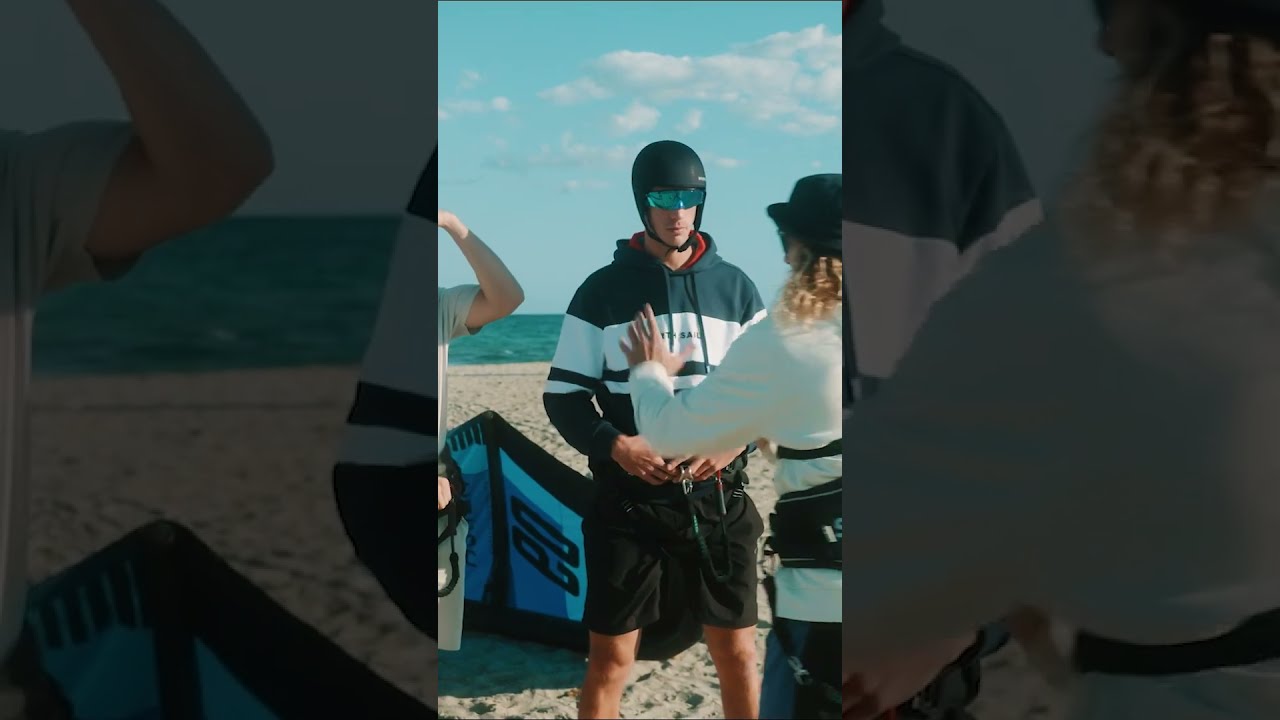
Before hitting the water, securing your safety leash and locking the donkey finger is the ultimate line of defense against losing your rig. Never skip these essential kiteboarding safety steps to keep your session bulletproof. #Kiteboarding #Sailing #NorthSails #Watersports #KiteSafety #KiteSurf #ActionSports --- As the undisputed global leader in sailmaking, North Sails pioneers performance-led design and advanced 3Di engineering across all wind-powered sports. From offshore yacht racing and one-design fleets to high-speed foiling and windsurfing, we build the fastest, most advanced sails and rigs on the water. Discover more at northsails.com. https://www.northsails.com/pages/sails?utm_campaign=general_sailing_page_youtube&utm_medium=social&utm_source=youtube Subscribe for more great videos: https://www.youtube.com/@North_Sailssub_confirmation=1 ---

0
0
0
160


0
0
0
1,180

Ven a celebrar el amor con los mejores ceviches y mariscos. ¡Haz tu reserva ahora! Música en Vivo Cócteles 3x2🍹 #SanValentín #AmorYMariscos #ElVelero #CenaRomántica #SanValentín2025 #CevicheFresco

0
0
0
42

0
0
0
0
620

The yellow stingray (Urobatis jamaicensis) is a species of stingray in the family Urotrygonidae, found in the tropical western Atlantic Ocean from North Carolina to Trinidad. This bottom-dwelling species inhabits sandy, muddy, or seagrass bottoms in shallow inshore waters, commonly near coral reefs. Reaching no more than 36 cm (14 in) across, the yellow stingray has a round pectoral fin disc and a short tail with a well-developed caudal fin. It has a highly variable but distinctive dorsal color pattern consisting of either light-on-dark or dark-on-light reticulations forming spots and blotches, and can rapidly change the tonality of this coloration to improve its camouflage. Relatively sedentary during the day, the yellow stingray feeds on small invertebrates and bony fishes. When hunting it may undulate its disc to uncover buried prey, or lift the front of its disc to form a "cave" attractive to shelter-seeking organisms. This species is aplacental viviparous, meaning that the developing embryos are sustained initially by yolk and later by histotroph ("uterine milk"). Females bear two litters of up to seven young per year in seagrass, following a gestation period of 5–6 months. Though innocuous towards humans, the yellow stingray can inflict a painful injury with its venomous tail spine. This species is taken as bycatch by commercial fisheries and collected for the aquarium trade; it may also be negatively affected by habitat degradation. Nevertheless, it remains common and widespread, which has led the International Union for Conservation of Nature (IUCN) to list it under Least Concern.

0
0
0
320
