Welcome aboard to the our video site for sailors. We are being constantly blasted by scammers and pirates, so registration is invite only
contact@sailorsahoy.com with "Invite". No spam, no newsletters. Just a free account
निकर सृजन करना
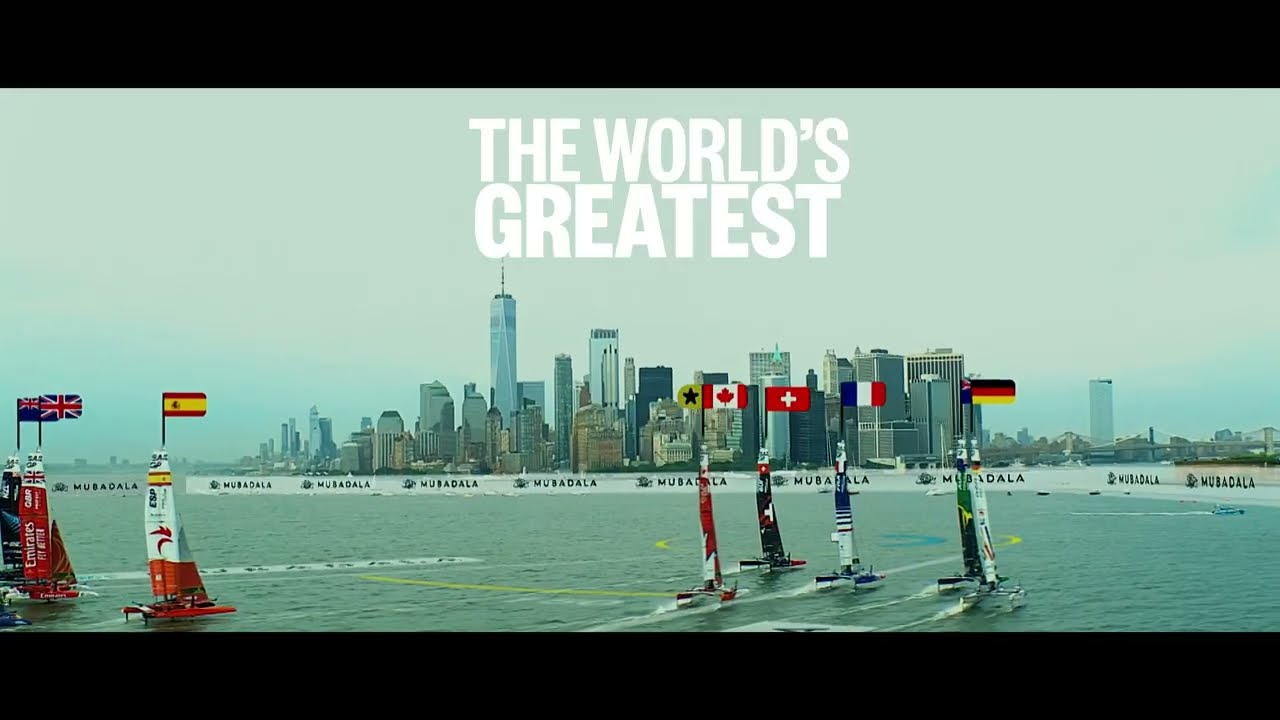
SailGP is redefining sailing as you know it, with 12 national teams racing cutting-edge F50 catamarans that fly across the water at over 60mph. Dubbed the “Formula 1 on water” (Vogue), it’s fast, fierce, and unforgettable –– and you can experience it all June 7–8 at the Mubadala New York Sail Grand Prix. Beyond the high-adrenaline action on the water, SailGP brings New York City’s electric energy to the shoreline with local music, food, and a vibrant festival atmosphere. It’s the ultimate weekend of sport, entertainment, and city vibes — all in one epic event.

0
0
0
720

⚓ Since 1963, the Salón Náutico Barcelona has been a key meeting point in the nautical industry, showcasing decades of expertise and innovation. In 2025, we sail into a new era: more innovative, sustainable, and inclusive of new generations. 🌊 From legacy to future. 🗓️ SAVE THE DATE: October 8 - 12, 2025 📍 Port Vell - Barcelona #salonnautico #firabarcelona #ElevatingYachtBusiness #AutumnEdition

0
0
0
3

Before we start Sailing Samantas, our diy sailboat building project which happens to be a Colombia 10.7 down to the new marina, we needed to move the cradle to it's new home at Chipman Point. As part of this diy sailboat build I'm considering turning my cradle into a sailboat trailer. this will be a diy cradle building side project. https://www.patreon.com/sailing_samantas https://paypal.me/SailingSamantas?country.x=US&locale.x=en_US
0
0
0
299

Charter em Ilhabela

0
0
0
468

https://www.yachts.co Unit 1 Fishmarket Quay Swansea Marina SA11UP 01792 465550 Info@yachts.co

0
0
0
1,709

Perfectly set Ultra Anchor in Plage de Tamarone Corsica.

0
0
0
13,179