Welcome aboard to the our video site for sailors. We are being constantly blasted by scammers and pirates, so registration is invite only
contact@sailorsahoy.com with "Invite". No spam, no newsletters. Just a free account
Shorts Créer

RS Electric Boats were honoured to support the 2025 Oxford and Cambridge Boat Race with two RS Pulse 63s powered by RAD Propulsion. It was a fantastic weekend on the water, and we’re proud to see zero-emissions vessels included in the support fleet for the first time ever — a positive step towards a more sustainable future for this historic event. Find out more - https://www.rselectricboats.com/electric-vessels-support-iconic-oxford-and-cambridge-2025-boat-race/

0
0
0
91

👉🏼 Sail into views that take your breath away — every day, a new masterpiece. 🌅🌊 . With Noah Sailing, each sunrise brings a new panorama: 🏝️ secluded coves and golden beaches ⛰️ dramatic cliffs and historic coastlines 🌌 starry nights far from the crowds 💙 endless horizon and crystal-clear waters . This isn’t just a trip — it’s a journey through the most stunning scenery the world has to offer - all trough your personal moving hotel ✨ . 🎯 Ideal for anyone craving beauty, freedom, and discovery in every moment. . 📩 DM us now 📧 info@noahsailing.com 📲 WhatsApp: +39 392 54321 22 🌐 www.noahsailing.com – request a “Quick Quote” today . . . . . #vacanzeinbarca #beautifuldestinations #sailinglife #Mediterraneo #travelinspiration #holiday #ItalyTravel #wanderlust #yacht #boatlife #vacanzefamiglia #travelgram #catamarano #travelinspo #barche #noleggioyacht #TikTokTravel #luxurylifestyle #EuropeTravel #VacationGoals .

0
0
0
1

Gentle giants of the ocean 🐋✨ On this #WorldMantaDay, we celebrate their beauty—and remind ourselves why they need protection. 💙 📌 Check our link in bio to join voyages where every encounter gives back to the ocean. #WorldMantaDay #MantaRay #OceanConservation #RajaAmpat #KomodoNationalPark #SailingIndonesia #PhinisiCruise #MarineLife #ProtectOurOceans #EcoTravel#oceanview #Indonesia #sailingadventure #wonderfulindonesia #liveaboard #sailing #RajaAmpat #Komodo #Flores #SpiceIslands 👍 If you found this video interesting, don't forget to LIKE and SUBSCRIBE for more adventure in Indonesia through Indonesian eyes! Begin your incredible adventure with SeaTrek right here: 🗺 Schedule | https://www.seatrekbali.com/schedule/ ⛵️ Website | https://www.seatrekbali.com 📚 SeaTrekker Magazine | https://www.seatrekbali.com/seatrekker-magazine/ 📧 Contact Us | info@seatrekbali.com 𝗪𝐞'𝐫𝐞 𝐚𝐜𝐭𝐢𝐯𝐞 𝐨𝐧 𝐨𝐭𝐡𝐞𝐫 𝐬𝐨𝐜𝐢𝐚𝐥 𝐦𝐞𝐝𝐢𝐚 𝐩𝐥𝐚𝐭𝐟𝐨𝐫𝐦𝐬 𝐭𝐨𝐨! 𝘐𝘯𝘴𝘵𝘢𝘨𝘳𝘢𝘮: https://www.instagram.com/seatreksail... 𝘍𝘢𝘤𝘦𝘣𝘰𝘰𝘬: https://www.facebook.com/Seatrekbali Visit our website: www.seatrekbali.com
0
0
0
282

0
0
0
0
921
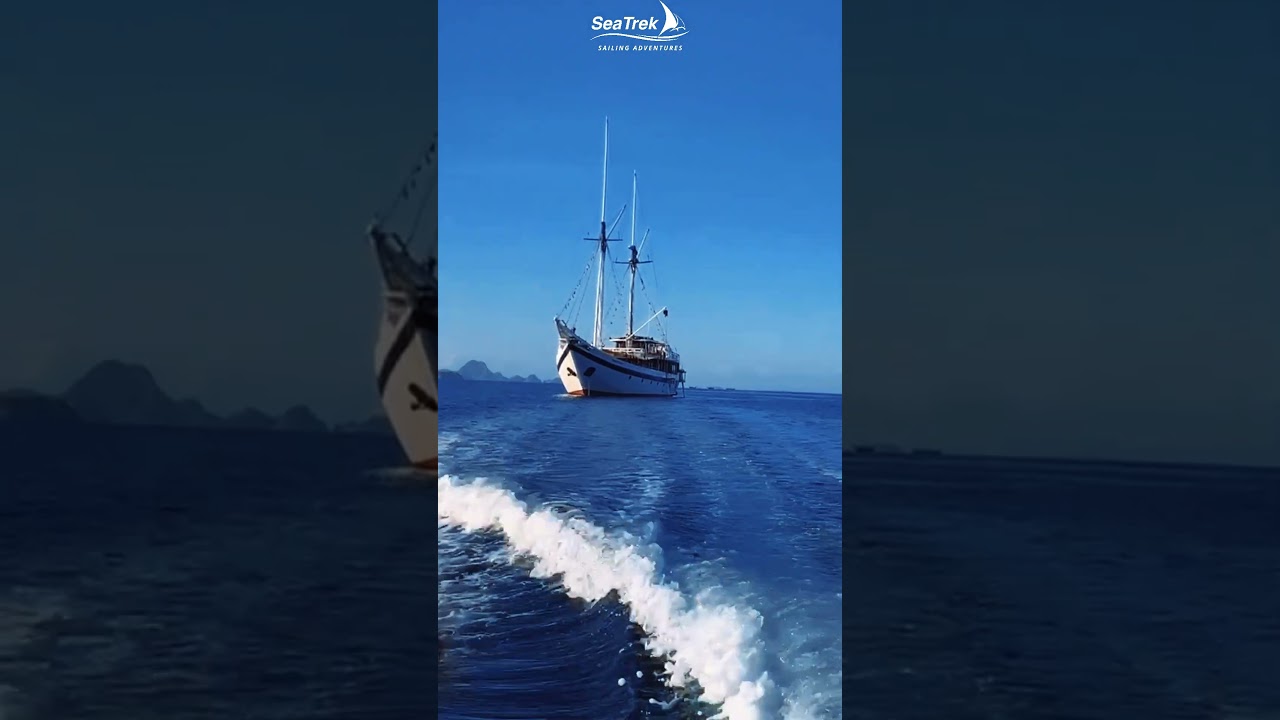
#oceanview #Indonesia #sailingadventure #wonderfulindonesia #liveaboard #sailing #baliindonesia #travelbali #travel 👍 If you found this video helpful, don't forget to LIKE and SUBSCRIBE for more adventure in Indonesia through Indonesian eyes ! Begin your incredible adventure with SeaTrek right here: 🗺 Schedule | https://www.seatrekbali.com/schedule/ ⛵️ Website | https://www.seatrekbali.com 📧 Contact Us | info@seatrekbali.com 𝗪𝐞'𝐫𝐞 𝐚𝐜𝐭𝐢𝐯𝐞 𝐨𝐧 𝐨𝐭𝐡𝐞𝐫 𝐬𝐨𝐜𝐢𝐚𝐥 𝐦𝐞𝐝𝐢𝐚 𝐩𝐥𝐚𝐭𝐟𝐨𝐫𝐦𝐬 𝐭𝐨𝐨! 𝘐𝘯𝘴𝘵𝘢𝘨𝘳𝘢𝘮: https://www.instagram.com/seatreksail... 𝘍𝘢𝘤𝘦𝘣𝘰𝘰𝘬: https://www.facebook.com/Seatrekbali 𝘓𝘪𝘯𝘬𝘦𝘥𝘐𝘯: https://www.linkedin.com/company/seat... Visit our website: www.seatrekbali.com
0
0
0
575

#oceanview #Indonesia #sailingadventure #wonderfulindonesia #liveaboard #sailing #baliindonesia #travelbali #travel 👍 If you found this video helpful, don't forget to LIKE and SUBSCRIBE for more adventure in Indonesia through Indonesian eyes ! Begin your incredible adventure with SeaTrek right here: 🗺 Schedule | https://www.seatrekbali.com/schedule/ ⛵️ Website | https://www.seatrekbali.com 📧 Contact Us | info@seatrekbali.com 𝗪𝐞'𝐫𝐞 𝐚𝐜𝐭𝐢𝐯𝐞 𝐨𝐧 𝐨𝐭𝐡𝐞𝐫 𝐬𝐨𝐜𝐢𝐚𝐥 𝐦𝐞𝐝𝐢𝐚 𝐩𝐥𝐚𝐭𝐟𝐨𝐫𝐦𝐬 𝐭𝐨𝐨! 𝘐𝘯𝘴𝘵𝘢𝘨𝘳𝘢𝘮: https://www.instagram.com/seatreksail... 𝘍𝘢𝘤𝘦𝘣𝘰𝘰𝘬: https://www.facebook.com/Seatrekbali 𝘓𝘪𝘯𝘬𝘦𝘥𝘐𝘯: https://www.linkedin.com/company/seat... Visit our website: www.seatrekbali.com
0
0
0
60