Welcome aboard to the our video site for sailors. We are being constantly blasted by scammers and pirates, so registration is invite only
contact@sailorsahoy.com with "Invite". No spam, no newsletters. Just a free account
Shorts Create
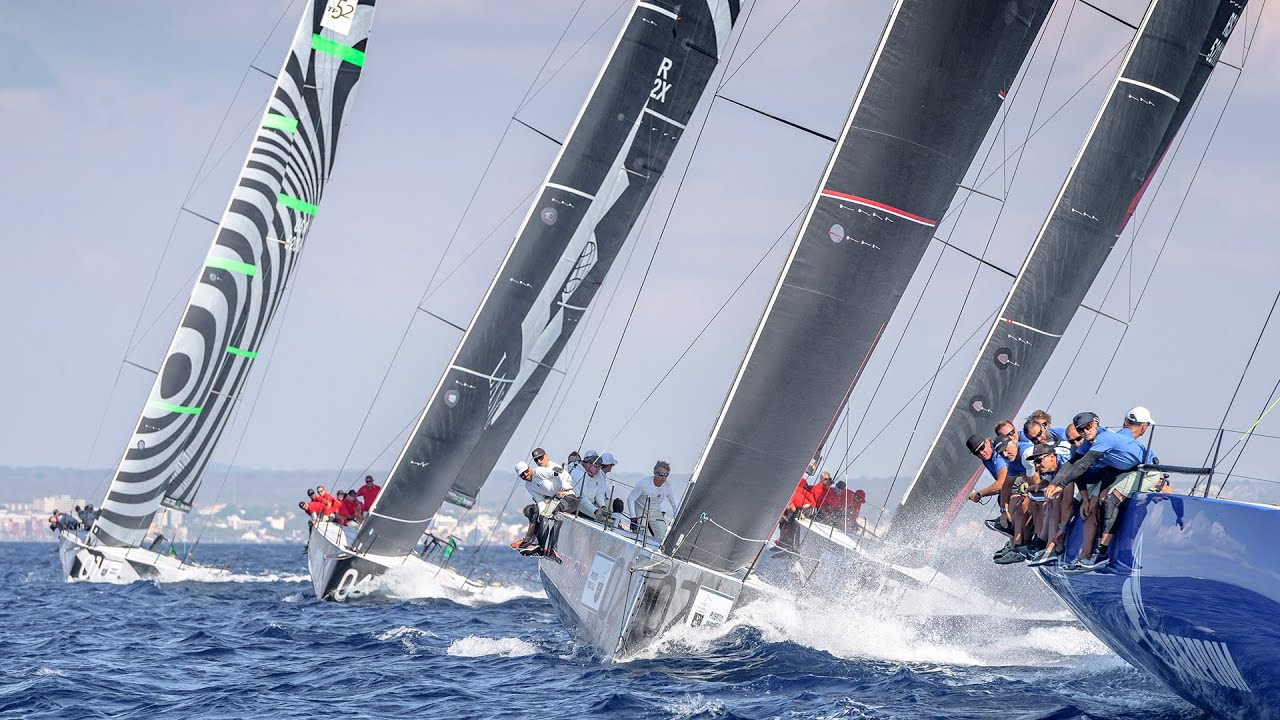
The Rolex TP52 World Championship is the highlight of the annual 52 Super Series and never fails to deliver an exciting spectacle. International teams compete over five days of intense inshore racing in their fast, light, yet very powerful monohulls. Rolex is a committed partner of this much-loved event and is also the Official Timepiece as part of an enduring bond with yachting that dates back more than half a century and today encompasses the most prestigious clubs, institutions and regattas in the world. Discover more https://on.rolex.com/34xqKym Rolex has always associated with activities driven by passion, excellence, precision and team spirit. It naturally gravitated towards the elite world of yachting six decades ago and today supports the most prestigious clubs, races and regattas. The brand is Title Sponsor of 15 major international events – from leading offshore races, such as the annual Rolex Sydney Hobart Yacht Race and the biennial Rolex Fastnet Race, to grand prix competition at the Rolex TP52 World Championship and spectacular gatherings at the Maxi Yacht Rolex Cup and the Rolex Swan Cup. It also supports the exciting new SailGP series, where national teams race in supercharged F50 catamarans on some of the world’s most famous harbours. Rolex’s partnerships with the likes of the Cruising Yacht Club of Australia, Yacht Club Costa Smeralda, New York Yacht Club and Royal Yacht Squadron are the foundation of its enduring relationship with this dynamic sport. #Rolex #TP52 #52SuperSeries #Perpetual

0
0
0
4,681

0

0
0
0
374

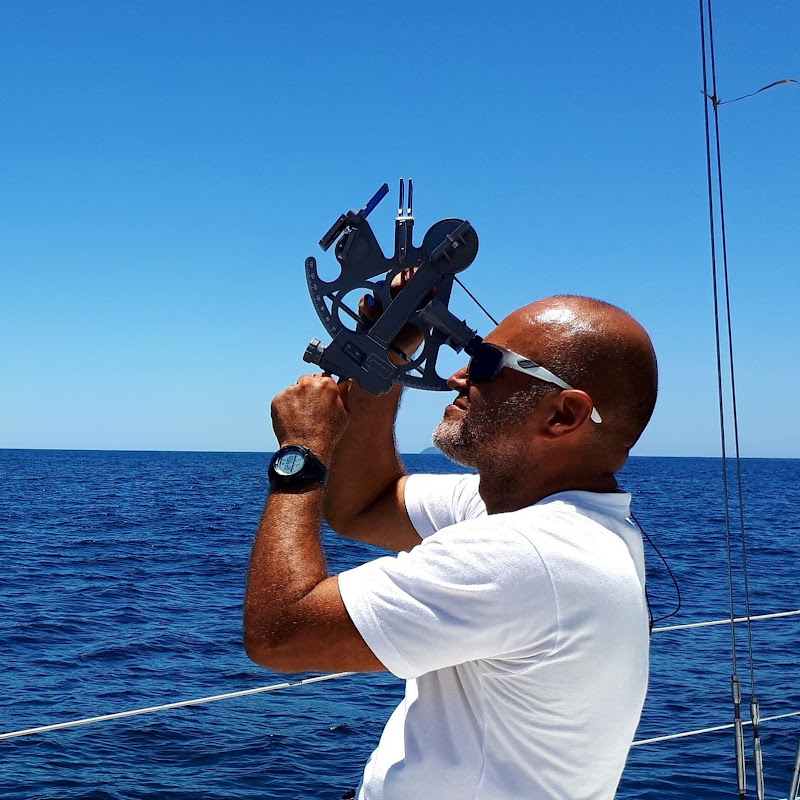
Aprenda as principais manobras em um veleiro, regulagens básicas de velas, atracar e desatracar, fundear. Em um final de semana você terá uma boa formação básica na Arte de Velejar👍⛵ O Veleiro Mucuripe é um Oday 23, um barco seguro e confortável para velejar! www.velasdomucuripe.com.br Whatsapp (61) 98154-7380
0
0
0
895

Servette Home Buy Now! https://servettehome.com/products/novelty-bear-soap-dispenser

0
0
0
4

➡️ Dans cette vidéo poursuivrez les étapes de construction du premier C-CAT 48. Ce nouveau catamaran à dérives est sorti du chantier en octobre 2021. ⛵️➡️ Les prochaines commandes seront livrés dès 2023. ℹ️ Pour en savoir plus: https://www.c-cat-france.fr/nos-modeles-de-catamarans/ccat-48-catamaran-neuf-habitable/ 📩 c.catamarans.france@gmail.com 🔔 Abonnez-vous à notre chaîne Youtube,, pour regarder toutes nos nouvelles vidéos. 📲 Suivez également nos actualités sur les réseaux sociaux : 🔗 Facebook: https://www.facebook.com/ccatfrance 🔗 Twiiter: https://twitter.com/CCatamarans 🔗 Instagram: https://www.instagram.com/ccatamaransfrance 🔗 LinkedIn: https://www.linkedin.com/company/c-catamarans-france

0
0
0
350

Imagens: https://www.instagram.com/womenandthewind/ Instagram da Kiana: https://www.instagram.com/whereskiana/ Seja também um apoiador do #SAL: https://apoia.se/hashtagsal Neste post do Mural lá no APOIAse tem o link para o nosso grupo do Telegram: https://apoia.se/hashtagsal/contents/view/Grupo-de-Apoiadores-do-SAL-no-Telegram.-CYgvVmY44?page=1#0 É só fazer o login com a sua conta 😀 Seja membro do #SAL no YouTube e ganhe benefícios exclusivos aqui dentro do Youtube, como resposta prioritária de comentários e fundos de tela (wallpapers) do #SAL: https://www.youtube.com/channel/UCj8_DeCUB0uL4cJwFmiQfMQ/join Conheças as mochilas e chaveiros do #SAL: https://www.ligarte.com.br Conheça as camisetas e moletons do #SAL: https://www.lolja.com.br/creators/hashtag-sal/ #veleiro

0
0
0
7,807