Welcome aboard to the our video site for sailors. We are being constantly blasted by scammers and pirates, so registration is invite only
contact@sailorsahoy.com with "Invite". No spam, no newsletters. Just a free account
ショーツ 作成
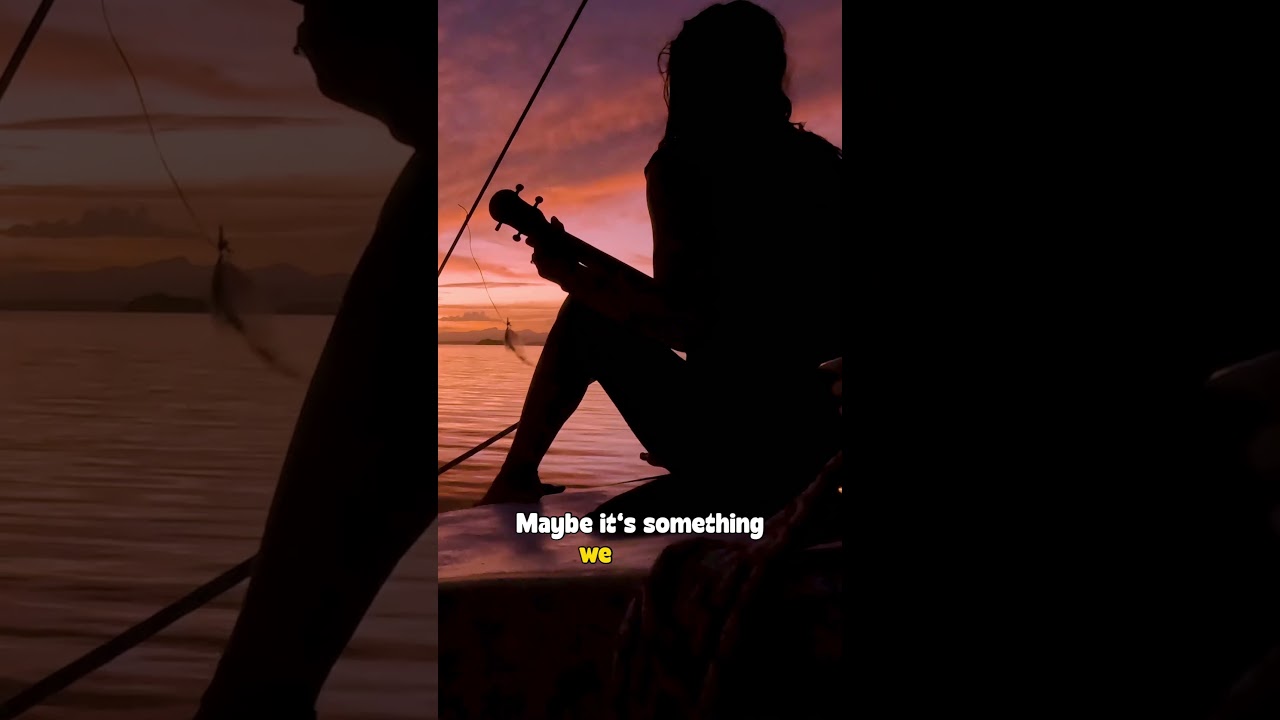
Living on a boat teaches you to move with the rhythm of the sea — to slow down, to breathe, and to let the day unfold. 🌊 We spend our lives chasing time, working toward a "someday" when we can finally rest. But maybe rest isn’t something we earn. Maybe it’s something we choose. Sometimes, the most beautiful thing you can do… is nothing at all. Join Poppy for a sunset ukulele session and a moment of peace on the water. Subscribe for more slow living and boat life reflections. ⚓️ For the full Video: 🎥 Episode 6 : I Found Squid Paradise 🔗 https://youtu.be/NhyKwkTMqG4 #Shorts #Mindfulness #SlowLiving #BoatLife #Sunset #MentalHealth #Poppy #Peaceful #SimpleLiving

0
0
0
8

0
0
0
0
643

0
0
0
0
368

Coral groupers can be seen on most reefs in Raja Ampat. They are a very colourful addition to the underwater seascape. Photographers might notice that they are quite curious and will often keep circling around to check if the camera is still pointing in their direction! Fun to watch and wonderful to capture on film.

0
0
0
23

⛵ ¿Te gusta navegar? Entonces esto te interesa. 🗓️ El 22 de mayo vuelve el Black Friday de Go Sailing Shop. 🕒 Solo 30 minutos. Solo una vez al año. 🔥 El mayor descuento del año en todos los productos de la tienda, ropa técnica de Rooster® y recambios para barcos: Harken®, Ronstan®, Optiparts®, ILCA®… Hasta -70 % de descuento 🔐 Solo entras con contraseña VIP. 👉 Haz clic en el enlace y apúntate ya. https://gosailingshop.com/es/pages/black-friday-de-30-minutos?pb=0 #GoSailingShop #BlackFridayNáutico #RoosterSailing #VelaLigera #Harken #Ronstan #Optiparts #ILCA #OfertasNáuticas #SailingGear #BlackFridayMayo #RopaDeVela

0
0
0
460

Segeln an der Algarve, Catamaran, Jolle, Optimist Segelgrundkurs des VDWS in Portugal Segelurlaub, Segelgrundkurse,Vermietung Lagos Meia Praia Beach Hobie Cat, Laser Stratos, Optimist Sail Course , Hire, Trips

0
0
0
93