Welcome aboard to the our video site for sailors. We are being constantly blasted by scammers and pirates, so registration is invite only
contact@sailorsahoy.com with "Invite". No spam, no newsletters. Just a free account
Cortos crear
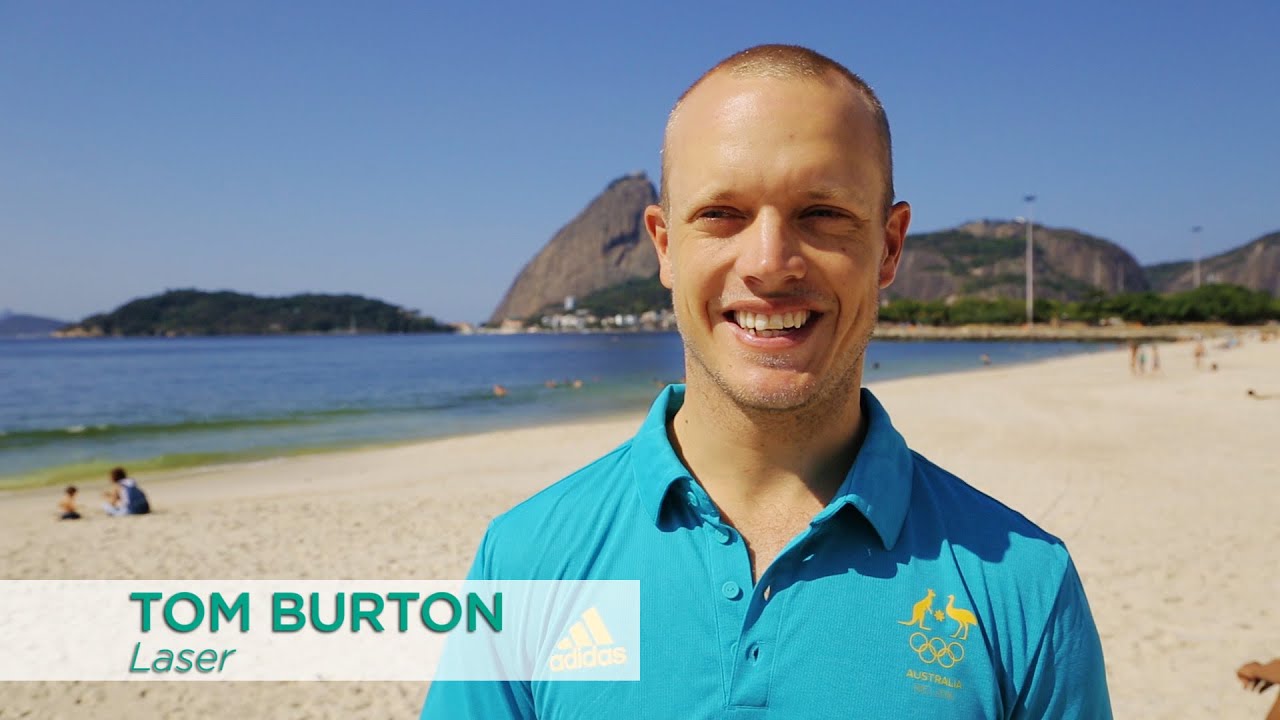
Catch up with our Laser sailor, Tom Burton, before racing begins on Monday here (early Tuesday morning AEST). #OneTeam #GoAusSailors
0
0
0
203

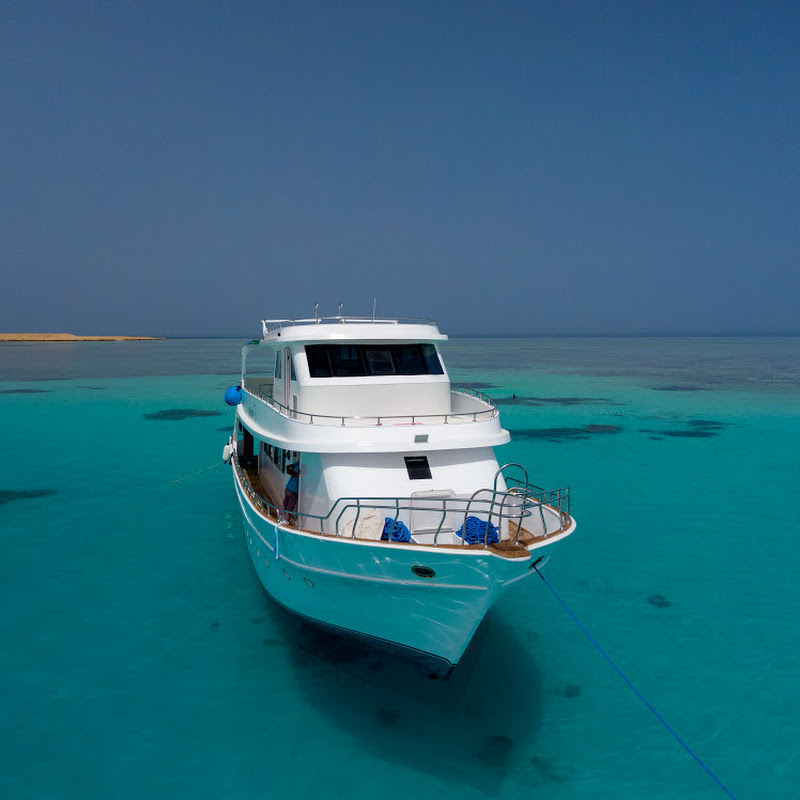
MS Balena There is a wreck of the Norwegian transport ship, which sank on April 12, 2001. The ship was built in 1952, had a length of 41 m and width of 7 m. The shipwreck lies on a rather small depth in very good condition, and its exploring from the inside is very simple and pleasant. An additional attraction of this place is very rich marine flora and fauna. While dive you can find a lot of species of colorful fish, which have found sheltering inside the wreck. This is a perfect place for every level of training, due to small depths. --------------------------------------------------------------------------------------------------------------------------------------------- MS Balena Ein Wrack des norwegischen Transportschiffs, das am 12. April 2001 sank. Das 1952 gebaute Schiff hatte eine Länge von 41 m und eine Breite von 7 m. Das Schiffswrack befindet sich auf einer relativ geringen Tiefe in einem sehr guten Zustand. Die Erkundung von innen ist sehr einfach und angenehm. Eine zusätzliche Attraktion dieses Ortes ist die sehr reiche Meeresflora und -fauna. Während des Tauchgangs können Sie viele bunte Fischarten beobachten, die im Wrack Schutz gefunden haben. Aufgrund der geringen Tiefe ist dies ein perfekter Ort für jedes Trainingslevel.
0
0
0
120

Benvenuti a bordo! Dopo il successo della scorsa stagione, Velainsieme è entusiasta di presentare i programmi eccezionali per il 2024, progettati per regalarti avventure indimenticabili tra le onde del Mediterraneo. Con la brezza salata tra i capelli e il sole che accompagna ogni navigazione, il 2024 sarà un’esperienza da non perdere. https://velainsieme.org/it/programma-2024-velainsieme-org/
0
0
0
55

The ACCWing is essentially a twin-skinned sail that can be raised or lowered. It’s fully battened, can be reefed, and can change its section shape using its own internal muscles, operated by compressed air. It achieves this with ‘muscles’ fitted at various positions up the sail on the inside of the wing. The muscles consist of a braided line around flexible hoses, one on each side of the wing. When the hose contracts on one side, it pulls the sail into shape, creating a deeper camber. Having muscles in different positions up along the sail means the section shape can change with height, allowing the twist to be controlled and developing a smooth transition from top to bottom. The rotation of the masts changes the sail’s angle of attack. When it comes to sheet loads, wingsails are often light. This is thanks to the sail’s balancing effect ahead of the mast, much like the equilibrium on a spade rudder. It’s easy to imagine how this system could be totally automated to respond to wind speed and direction, both in section shape and with automated reefing. While you might turn your nose up at letting a computer and servos take over the boat, there will surely be shipping companies that’ll sit up and take note. Since the clipper ships went out of fashion, there’s never been a need for them to put muscles and sails in the same sentence. Until now. ► Become a FREE SUBSCRIBER to Yachting World's YouTube page now - https://www.youtube.com/user/yachtingworld?sub_confirmation=1 ► For the latest reviews, new gear launches and tour news, visit our website: http://www.yachtingworld.com ► Like us on Facebook here - https://www.facebook.com/yachtingworldmagazine ► Follow us on Twitter at: https://twitter.com/yachtingworld ► Feel free to comment below! ► Remember to hit that LIKE button if you enjoyed it :)

0
0
0
1,587

0
0
0
0
9

0
0
0
0
137