Welcome aboard to the our video site for sailors. We are being constantly blasted by scammers and pirates, so registration is invite only
contact@sailorsahoy.com with "Invite". No spam, no newsletters. Just a free account
Шорты создать

Whether its your littlest pirates or your elder seafarers joining you, that childish spirit will be set free once you hit the waves! #EscapeWithConfidence #WhitsundayEscape

0
0
0
54
0
0
0
0
60

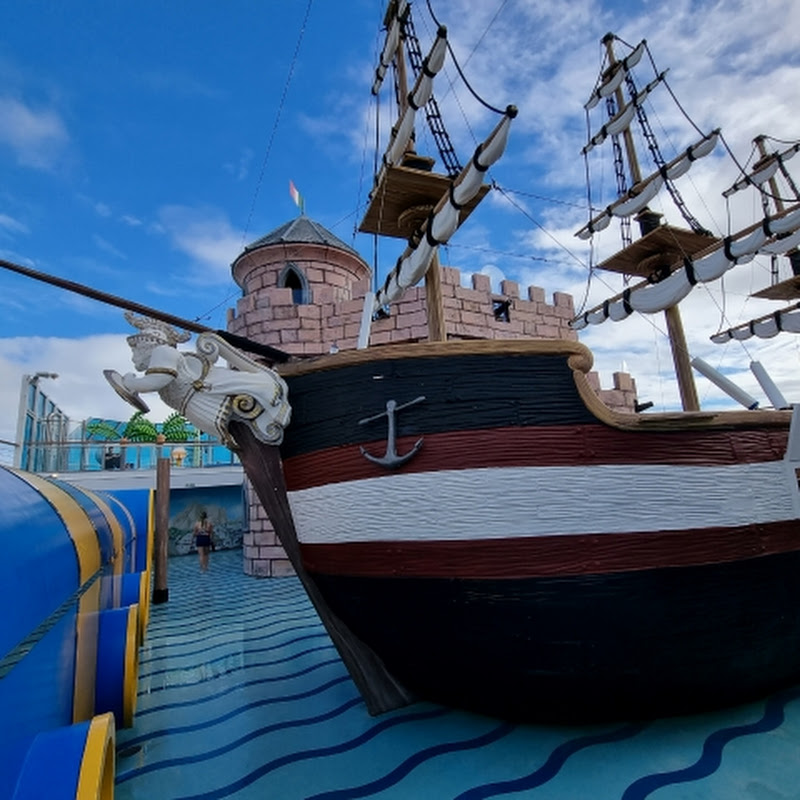
#norway #norwaytravel #norwaytrip #norwayshorts #norwaynature #cruiseshiptour #cruisetravel #cruisetravellife #cruise #cruiselife #onboard #travel #explore #adventure #nature #howtotraveltheworld #roadtripdestinations #touristdestinations #solotraveldestinations #internationaltravel #vacationdestinations #bestplaces #travelbloggersonyoutube #travellingvlogs #travelwithmevlog #cruiseshiptour #costacruises #shiptour #traveltheworldinthe7seas #travellingonacruiseship #voyagetothebottomofthesea #travelvlog #travel #travelphotography #travelblogger #travelvlogger #travelgram #vlog #vlogger #youtube #travelblog #traveling #travelling #wanderlust #traveltheworld #instatravel #youtuber #adventure #traveller #explore #photography #nature #traveler #photooftheday #traveladdict #trip #vacation #travelcouple #travelgoals #travelvideo #travelstories #travelvideos #love #travellife #roadtrip #vlogging #instagood #beautifuldestinations #mountains #travelingram #travelvloggers #follow #india #tourism #youtubechannel #traveldiaries #nomadichostels #picoftheday #ilovetravel #solotraveler #mobilephotography #beach #vlogs #holiday #travelinspiration #youtubevideo #gopro #blogger #like #mobilevideography
0
0
0
108

0

0
0
0
48
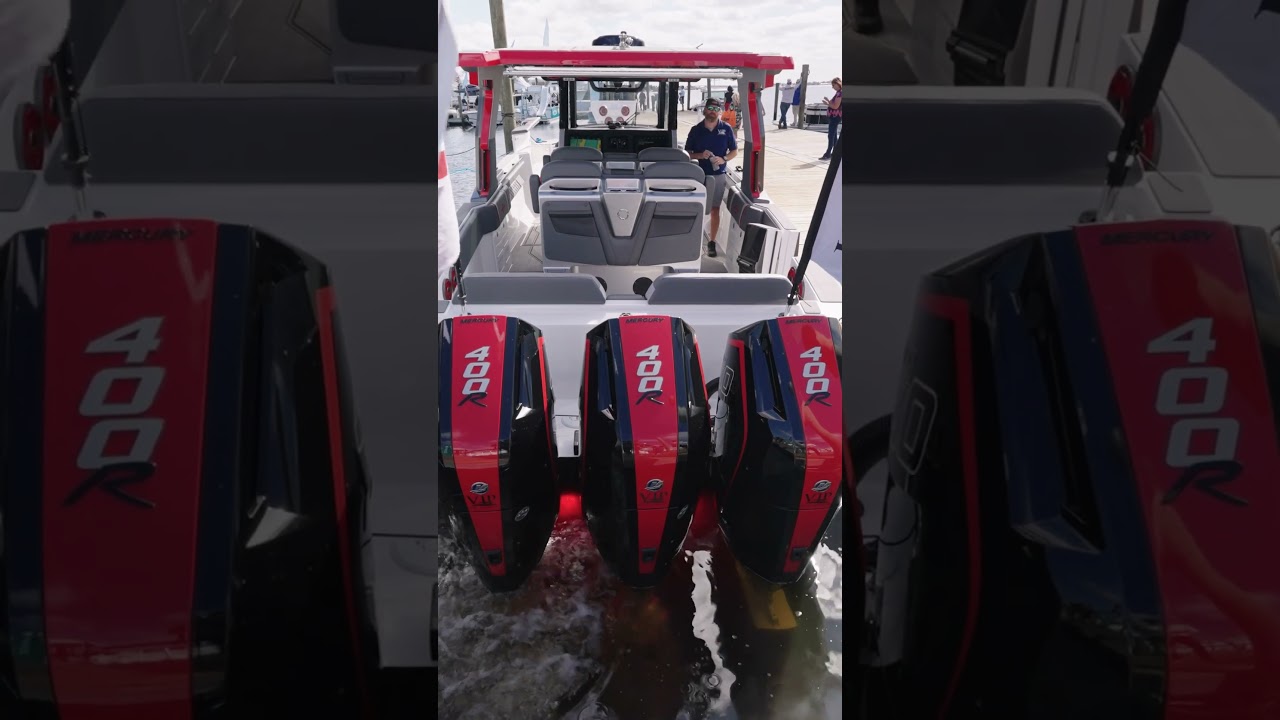
Subscribe to our boats.com channel: https://www.youtube.com/user/boatsdotcom For more boating videos, visit https://www.boats.com. boats.com features boat reviews, how-to videos, special features, and information about new boats, boats for sale, and boating products—usually with a dash of fun. Our reviewers test the features, performance, and specifications of each boat, searching out the hidden details for critical evaluation. If you're shopping for a boat, we want to help you make the best choice. And if you're just looking, we'll try to make it fun too. Subscribe to receive notification of new videos.

0
0
0
13,173

PRONTO!! Privilège Serie 6

0
0
0
164