Welcome aboard to the our video site for sailors. We are being constantly blasted by scammers and pirates, so registration is invite only
contact@sailorsahoy.com with "Invite". No spam, no newsletters. Just a free account
Corti Creare

C'est BON de partager ! C'est BON pour moi, c'est BON pour les autres et c'est BON pour la planète ! Bienvenue au cœur du partage avec https://www.PLACEdelaLOC.com ! #engagement #placedelaloc #cbondepartager
0
0
0
227

If you liked this video, give it a thumbs up and share it with your friends. 👍 Follow us on Instagram: https://www.instagram.com/dinghyracingchannel/ Join our Facebook community: https://www.facebook.com/DinghyRacingChannel/ Website: http://www.rya.org.uk Subscribe to the Dinghy Racing Channel: https://youtube.com/dinghyracingchannel?sub_confirmation=1 Want to get out on the water? Start your adventure: www.rya.org.uk/go/startboating

0
0
0
885

Chef à bord, repas gastronomiques et vie en mer au cœur de l’océan. La grande navigation peut aussi rimer avec confort et plaisir. #traverseeatlantique #voilier #luxurylifestyle ----------------------------------------------- ☀️ TU RÊVES DE VACANCES SUR UN VOILIER ? ☀️ Je t’aide à organiser ton voyage à bord d’un voilier ⛵ 📩 Contacte-moi : https://sailingatypic.com/pages/vacances-a-bord ❤️ MERCI À NOS PATREONS QUI RENDENT CES VIDÉOS POSSIBLES ❤️ Tu veux nous encourager ? ➤ https://www.patreon.com/sailingatypic 🌐 NOTRE SITE WEB 🌐 ➤ https://www.sailingatypic.com 👕 BOUTIQUE DE VÊTEMENTS ATYPIC 👕 ➤ https://sailingatypic.com/collections/all 🔔 SUIVEZ-NOUS 🔔 Facebook: http://www.facebook.com/SailingAtypic/ Instagram: https://www.instagram.com/sailing_atypic/?hl=fr YouTube: https://youtube.com/c/SailingAtypic Patreon: https://www.patreon.com/user?u=37205310
0
0
0
917
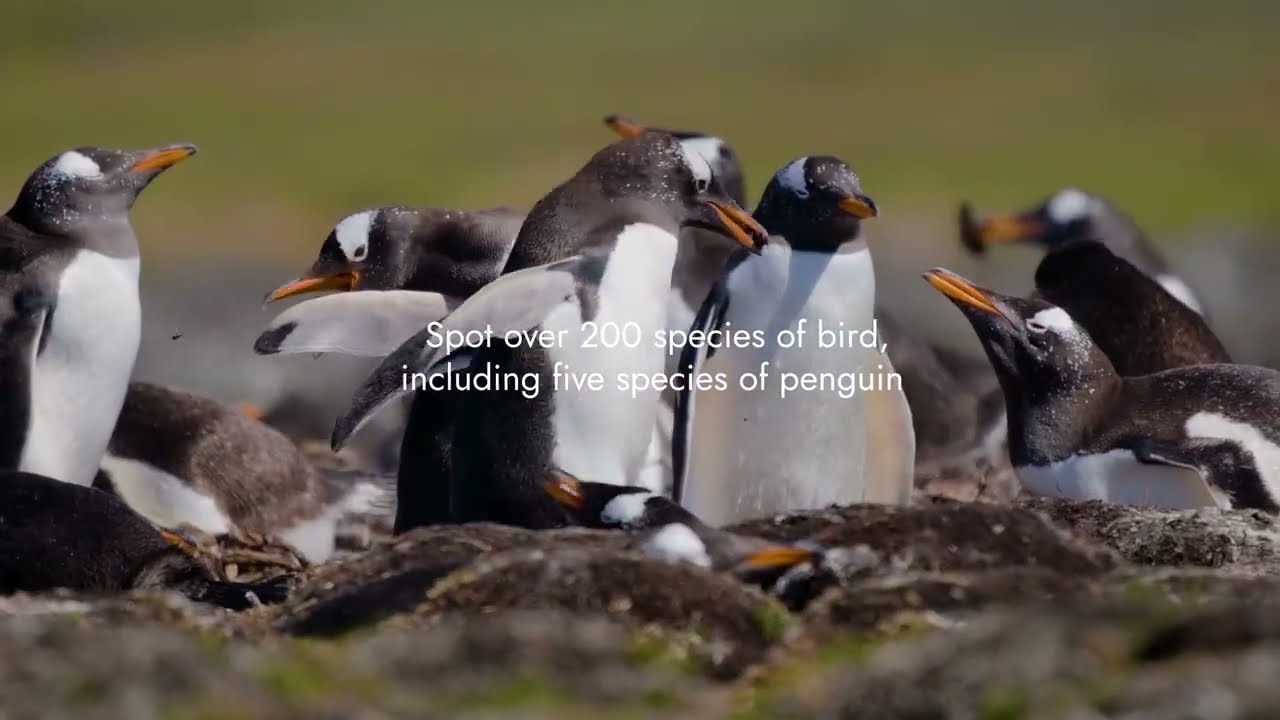
Why should the Falkland Islands be on your travel bucket list? 🌍 In this video, we explore three key reasons to visit the Falkland Islands, a remote archipelago on the edge of the world. From white-sand beaches and windswept moorlands to remarkable wildlife encounters, the islands remain largely unspoiled. The Falklands are home to extensive penguin colonies, as well as southern sea lions and elephant seals along the coastline. The islands also offer outstanding birdlife, with over 200 species recorded, including the black-browed albatross and the striated caracara. Beyond the natural environment, we also visit Stanley, the islands’ capital and one of the world’s most remote settlements. Here, British heritage blends with a distinctive frontier lifestyle, offering insight into daily life in this isolated part of the world. You can find more information about Falkland Islands here: https://www.travelhx.com/en-gb/campaigns/travel-guide-to-falkland-islands/ Since 1896, HX has led mindful expeditions to the world’s most extraordinary places. Today, we continue that legacy, taking curious adventurers to iconic destinations like Antarctica, Galápagos, Greenland and aboard our modern expedition ships. Join us and change the way you see the world. Facebook: https://www.facebook.com/HXExpeditions Instagram: https://www.instagram.com/hxhurtigrutenexpeditions/ Website: https://www.travelhx.com/en/

0
0
0
38

0
0
0
15,401

Since 1896, HX has led mindful expeditions to the world’s most extraordinary places. Today, we continue that legacy, taking curious adventurers to iconic destinations like Antarctica, Galápagos, Greenland and aboard our modern expedition ships. Join us and change the way you see the world. Facebook: https://www.facebook.com/HXExpeditions Instagram: https://www.instagram.com/hxhurtigrutenexpeditions/ Website: https://www.travelhx.com/en/
0
0
0
179