Welcome aboard to the our video site for sailors. We are being constantly blasted by scammers and pirates, so registration is invite only
contact@sailorsahoy.com with "Invite". No spam, no newsletters. Just a free account
Corti Creare
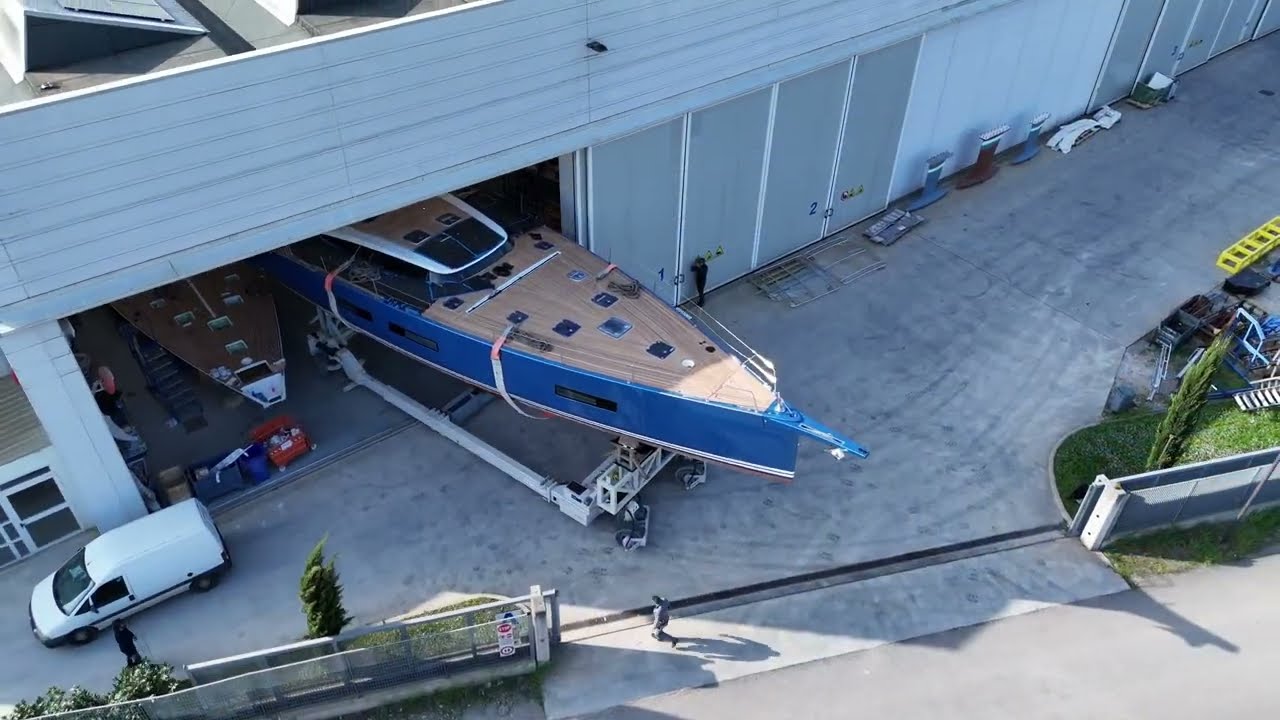
We’re beyond excited to announce the launch of our latest masterpiece: the first Solaris of the new 74RS series. This morning, the blue hull hit the water in the canal near our Aquileia shipyard. In the coming weeks, she will undergo set-up and sailing trials for her official debut at the Solaris Cup 2024. 🇮🇹Video: @nicola_oleotto#Solaris74#SolarisYachts

0
0
0
2,378
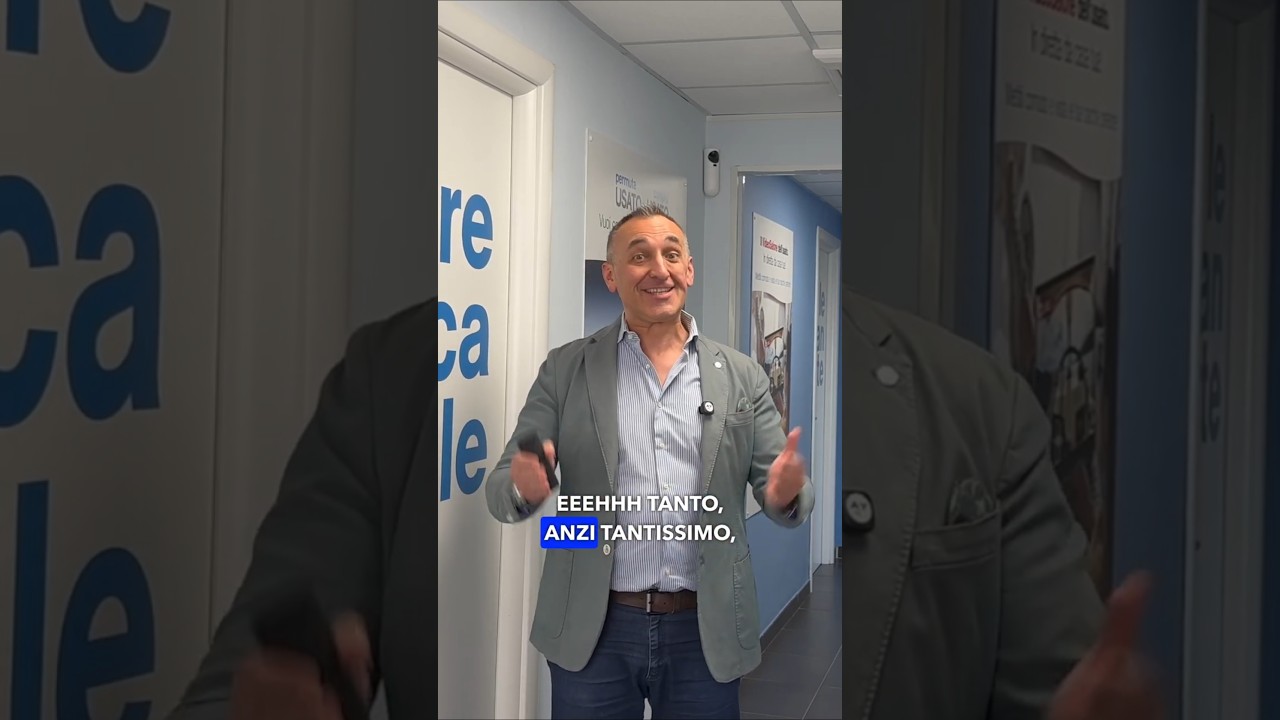
📄 Vendere o comprare una barca? I documenti sono fondamentali! Anche una barca perfetta può fermarsi in trattativa se non è chiaro chi può venderla o se l’incarico viene firmato dalla persona sbagliata. Nel video completo ti spieghiamo cosa controllare prima di vendere o comprare una barca. 🎥 Guarda il video completo qui: 👉 https://youtu.be/wY97ZxCxU84 ⚓ Prima di procedere, meglio controllare: • licenza di navigazione • certificato motore • licenza radio • certificato di sicurezza valido • documenti fiscali chiari • situazione IVA, soprattutto con acquirenti esteri 🧭 Documenti in ordine significano più fiducia, meno rischi e una vendita più semplice. 📞 Chiamaci al +39 0112457841 💬 WhatsApp: https://wa.me/393421432715 📨 info@abayachting.com 🌐 https://www.abayachting.com 🔔 Iscriviti al canale per non perdere i prossimi consigli nautici! #abayachting #nautica #venderebarca #comprarebarca #documentibarca #barcainvendita #barcheinvendita #yachtbroker #yachtbrokerage #brokerage #boatexperience #consiglinautici #sailinglife #reelyacht

0
0
0
381


0
0
0
4,649

Αν θέλετε να βοηθήσετε το κανάλι μου ✿ Donate: https://streamlabs.com/cyprussailingtv ✿ Donate: https://www.paypal.com/paypalme/CSTVdonates ✿ https://www.youtube.com/channel/UCCMGjQyz6ae96txsX07aoZw/join ★★Social Media★★ ✔Facebook https://www.facebook.com/cyprussailingtv/ ✔Instagram https://www.instagram.com/cyprus_sailing_tv ✔twitter https://twitter.com/cyprussailing ✔Discord https://discord.gg/KnGGjcfyS9 Πηγές / Link: Σας ευχαριστούμε πολύ που είδατε αυτό το βίντεο! Αν σας άρεσε, παρακαλούμε κάντε ένα like , καθώς και εγγραφή στο κανάλι μας, αν δεν το έχετε κάνει ήδη. Είναι δωρεάν! Μπορείτε να εγγραφείτε κάνοντας κλικ εδώ: http://www.youtube.com/c/CyprusSailingTV?sub_confirmation=1 *Τα βίντεο που χρησιμοποιούνται σε αυτή τη συλλογή πληρούν τις προϋποθέσεις για δίκαιη χρήση* Argyris Gregoriou - Cyprus Sailing Tv owner Offshore Sailing Skipper Instructor/ Εκπαιδευτής Ιστιοπλοΐας Ανοιχτής θαλάσσης Master Of Yacht Offshore 200GT VHF Operator STCW crowd management training in a-v/2-1 STCW Basic Safety Training vi/1 a-vi/1.2 Sailing dinghy Instructor/Εκπαιδευτής Ακαδημιών Ιστιοπλοΐας (world sailing national training program) Sailing dinghy coach/ Προπονητή Ιστιοπλοΐας Τριγώνου (world sailing national training program) National Race Officer Sailing article columnist /autho/Αρθρογράφος

0
0
0
919

For my crew aboard Frigg, thank you for the amazing week! Jurko Skipper
0
0
0
113

0
0
0
0
72