Welcome aboard to the our video site for sailors. We are being constantly blasted by scammers and pirates, so registration is invite only
contact@sailorsahoy.com with "Invite". No spam, no newsletters. Just a free account
Kurze Hose Erstellen

ProgettOceano nasce nel 1999. Si affaccia sul mercato del charter e del noleggio con un'idea precisa: barche a vela di proprietà. Si presenta dunque da subito come società armatrice, facendo della filosofia della vela e dell'amore per il mare i punti cardini della sua attività. ProgettOceano inizia la sua avventura partendo con una sola barca a vela, ed affinandosi negli anni nella cura, nella manutenzione e nella gestione degli yachts, addentrandosi sempre più nel settore sail charter. La base scelta è l'isola di Procida, nel cuore del golfo di Napoli. Non solo terra nativa e dunque mare conosciuto, ma anche ottimo trampolino di lancio per le non poche mete da qui facilmente raggiungibili. Noleggia splendide Barche a Vela nel porto di Procida per una vacanza indimenticabile a Capri, Isole Pontine, Costiera Amalfitana, Sorrentina, Eolie, Egadi, Cilento. Contattaci: info@progettooceano.com Oggi la flotta, interamente di proprietà, consta unicamente di barche a vela dei cantieri Bavaria Yachts. Tutte barche nuovissime, con scafi che vanno dai 39' ai 50'. Presenti in flotta barche per tutti gli equipaggi.

0
0
0
719

Sailing boat - Både sælges, Scankap 99, 1985 DKK 150.000 Scanboat https://www.scanboat.com/en/boat-market/boats/sailing-boat-scankap-99-17471262

0
0
0
585

Let’s live our dreams ⛵️ On vous dit tout demain ! Quel bateau sera le nouveau eau OUALAOUTI II ? Pourquoi ce choix ? Quel est notre projet ? Vous saurez tout ! #oualaouti #revelation #catamaran #bateau #nouvelleaventure #nouvellevie
0
0
0
524
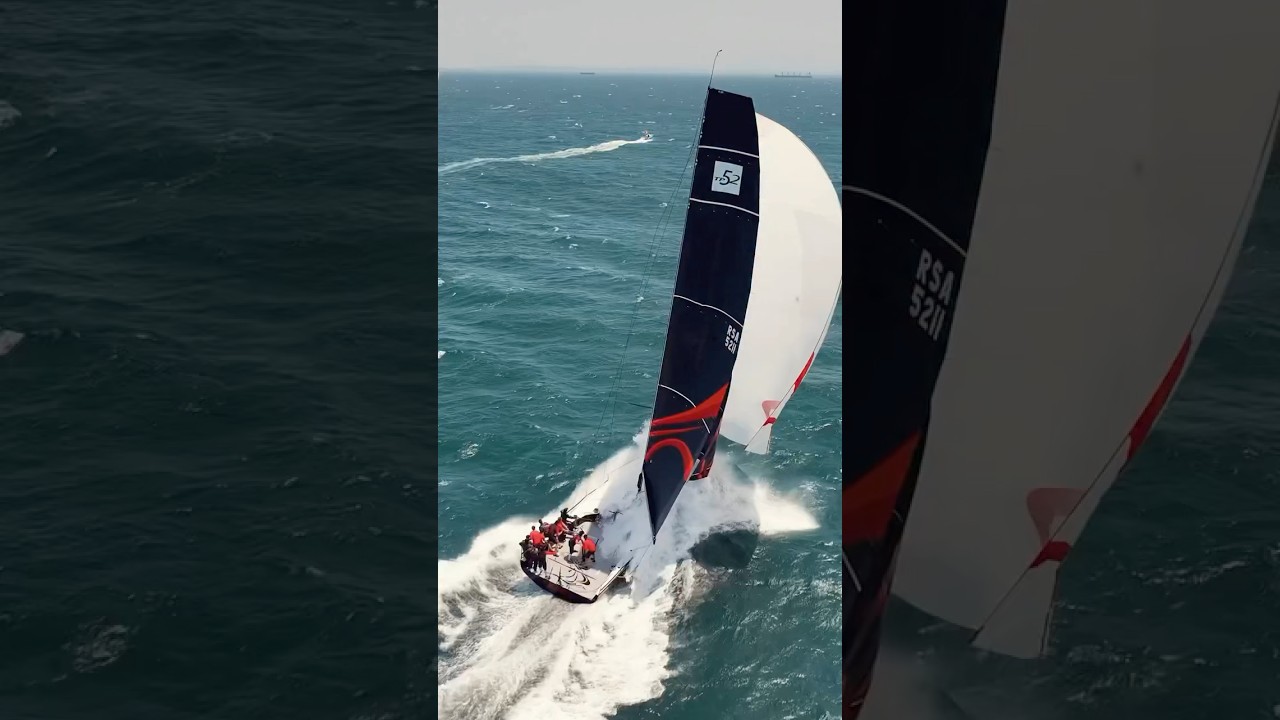
The last regatta of the season, 52 SUPER SERIES - Porto Cervo - Range Rover, kicks off tomorrow @ yccs_portocervo

0
0
0
7,019

The ACCWing is essentially a twin-skinned sail that can be raised or lowered. It’s fully battened, can be reefed, and can change its section shape using its own internal muscles, operated by compressed air. It achieves this with ‘muscles’ fitted at various positions up the sail on the inside of the wing. The muscles consist of a braided line around flexible hoses, one on each side of the wing. When the hose contracts on one side, it pulls the sail into shape, creating a deeper camber. Having muscles in different positions up along the sail means the section shape can change with height, allowing the twist to be controlled and developing a smooth transition from top to bottom. The rotation of the masts changes the sail’s angle of attack. When it comes to sheet loads, wingsails are often light. This is thanks to the sail’s balancing effect ahead of the mast, much like the equilibrium on a spade rudder. It’s easy to imagine how this system could be totally automated to respond to wind speed and direction, both in section shape and with automated reefing. While you might turn your nose up at letting a computer and servos take over the boat, there will surely be shipping companies that’ll sit up and take note. Since the clipper ships went out of fashion, there’s never been a need for them to put muscles and sails in the same sentence. Until now. ► Become a FREE SUBSCRIBER to Yachting World's YouTube page now - https://www.youtube.com/user/yachtingworld?sub_confirmation=1 ► For the latest reviews, new gear launches and tour news, visit our website: http://www.yachtingworld.com ► Like us on Facebook here - https://www.facebook.com/yachtingworldmagazine ► Follow us on Twitter at: https://twitter.com/yachtingworld ► Feel free to comment below! ► Remember to hit that LIKE button if you enjoyed it :)

0
0
0
1,587

0
0
0
0
1,417