Welcome aboard to the our video site for sailors. We are being constantly blasted by scammers and pirates, so registration is invite only
contact@sailorsahoy.com with "Invite". No spam, no newsletters. Just a free account
निकर सृजन करना
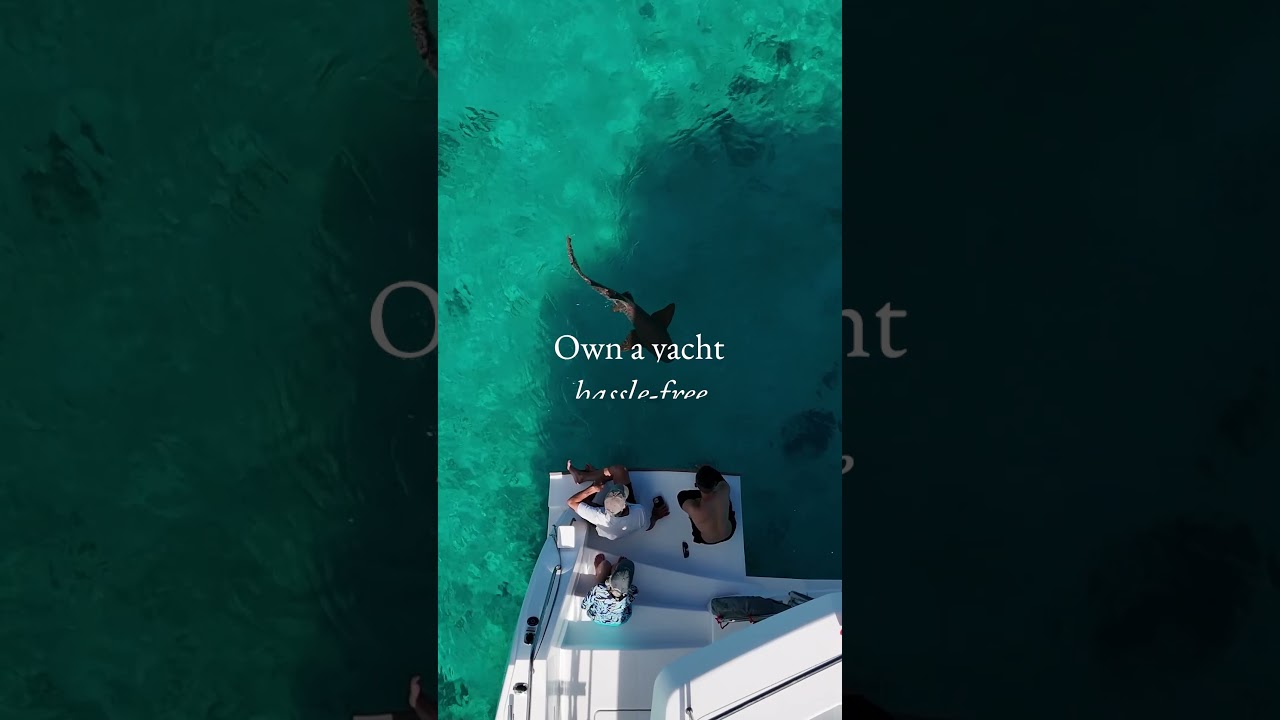
Join The Moorings team at the International Multihull Show, where we will be showcasing our fleet of sailing and motor catamarans. Renowned for its unique setting, this show offers a unique opportunity to discover the best multihulls on the market. Yachts on display: Sailing catamarans - Moorings 4600 - Leopard 46 - New Leopard 52 Electric Drive Motor catamarans - Moorings 464PC - Leopard 40PC - Leopard 46PC - New Leopard 53PC 👉 Book your appointment now: https://www.mooringsyachtownership.com/uk/boat-shows-and-events/international-multihull-show-at-la-grande-motte

0
0
0
3
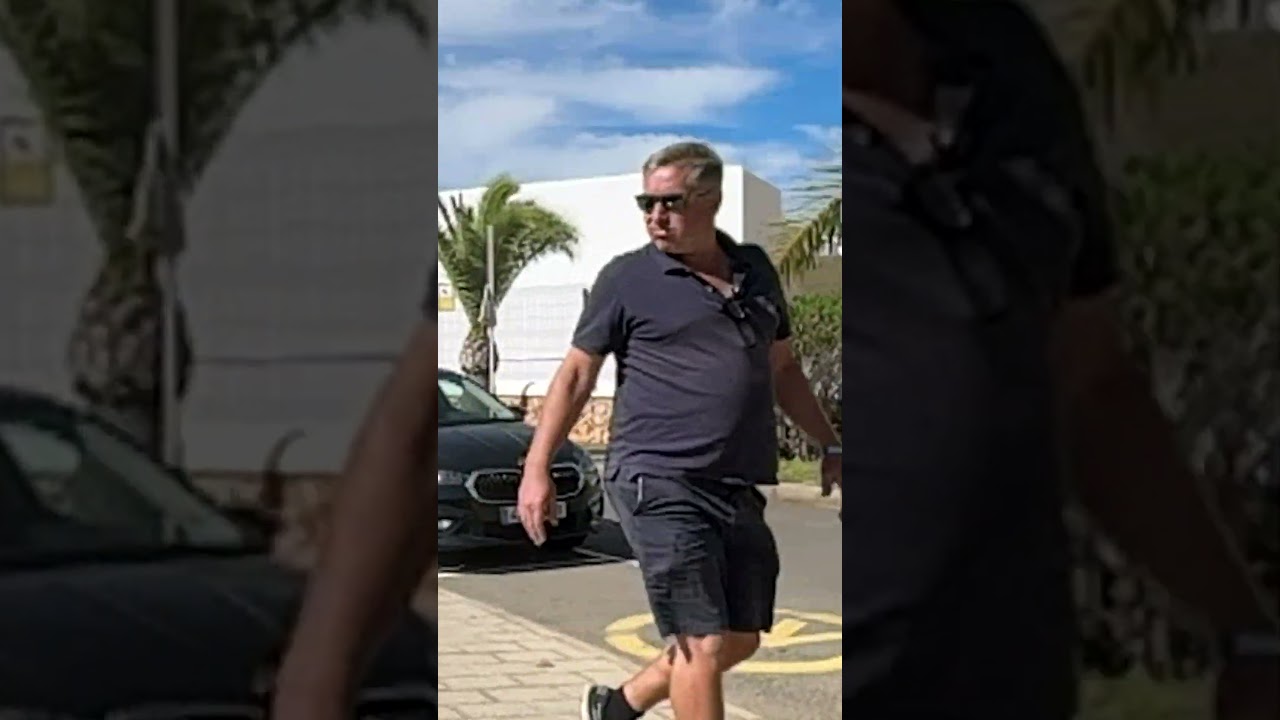
Brotherly love at its best. James sees an opportunity and takes it. Nick experiences the full force of the Cigarette Gladiator 36 🌊 Watch the full video here: https://youtu.be/W5odeMMRRUY Boats.co.uk sell boats from £5,000 to £20 million so whatever you need, we are here to find the right boat for you! Boats.co.uk was founded in 1969 and is the No.1 company in the UK in boat sales and full service operation. Suppliers of Fairline, Williams, Kawasaki, Sea Ray & Parker. Check out our current inventory here: https://www.boats.co.uk/searches/ Keep up to date, sign up to our newsletter: https://confirmsubscription.com/h/i/76A23A4CEADA3A5E

0
0
0
222,566

Fala Marujo! Bem vindo a Bordo!!! Antes de fazer qualquer negócio, vem com a gente que podemos ajudar a comprar ou vender seu Veleiro! Fazemos o "survey", avaliação técnica que permite saber o estado geral da embarcação!!! Fantástico este serviço, não é mesmo? Mas não acaba aí, além desse valor agregado, oferecemos a entrega técnica e pós vendas, acompanhe nossos canais de midia. instagram @velhojacksn whatsapp 24 9811-04172 facebook @velhojacksn

0
0
0
159

All part of the fun 🤪🪢⛵️

0
0
0
795

0
0
0
31

0

0
0
0
64