Welcome aboard to the our video site for sailors. We are being constantly blasted by scammers and pirates, so registration is invite only
contact@sailorsahoy.com with "Invite". No spam, no newsletters. Just a free account
מִכְנָסַיִים קְצָרִים לִיצוֹר

Maserati Multi70 e Giovanni Soldini primi al traguardo della RORC Transatlantic Race: è record. Due tonnellate di acqua in più a bordo, imbarcate in seguito a un danno che ha interessato i comparti della deriva, non sono bastati a frenare la corsa mozzafiato di Maserati Multi70, che ha traversato l’Atlantico a medie superiori ai 22 nodi, con picchi di 37, e alle ore 19.45 UTC di venerdì 13 gennaio, ha tagliato il traguardo della RORC Transatlantic Race con un tempo di 5 giorni, 5 ore, 46 minuti e 26 secondi. Il team italiano si è così aggiudicato il risultato nelle categorie “All Boats” e “Line Honour Multihull”, e ha stabilito anche il nuovo record di velocità della prestigiosa regata di altura, battendo Snowflake e Team Zoulou, entrambi MOD70 con equipaggi di altissimo livello. Infranto con un margine di quasi 17 ore il record precedente, stabilito dal MOD70 Phaedo3 di Lloyd Thornburg nel 2015 in 5 giorni, 22 ore, 46 minuti e 03 secondi. A rendere possibile il successo del trimarano italiano, hanno contribuito scelte tattiche impeccabili, sempre in fase col giro di vento. A bordo di Maserati Multi70 con Giovanni Soldini i sei velisti e compagni: Guido Broggi (ITA), Oliver Herrera Perez (ESP), Francesco Malingri (ITA), Francesco Pedol (ITA), Matteo Soldini (ITA) e Lucas Valenza-Troubat (FRA). Maserati Multi70, che sulla linea del via aveva pagato leggermente le condizioni di vento moderato, ha preso il comando della flotta al largo delle Canarie e, in una competizione ad altissima velocità, ha poi mantenuto stabilmente il controllo sugli avversari Snowflake (USA, ex Phaedo3) con Brian Thompson e Gavin Brady, Mathew Bryant, Christopher Cowan, John Hunter-hamilton, Stuart Mackinven e David Swete; e Zoulou (FRA) con Ned Collier Wakefield e Loick Peyron insieme a Thierry Fouchier, Thomas le Breton, Erik Maris, Bruno Mourniac. “È stato entusiasmante, una rotta fantastica negli Alisei per una regata a cui tutti siamo sempre contenti di partecipare perché non esiste al mondo una classe che riunisca barche tanto simili e con un livello così alto di professionisti che faccia regate oceaniche. Vincere è quindi prima di tutto un onore”, racconta Giovanni Soldini. A circa metà del percorso, un incidente: dopo giorni di onde a grande velocità in seguito alla rottura di uno stopper, la deriva si è sfilata dalla sua sede e ha sfondato la scassa, e il trimarano ha imbarcato due tonnellate d’acqua nella zona dei compartimenti stagni, l’equivalente di un terzo del suo peso. L’equipaggio ha reinsediato la deriva e ha effettuato riparazioni di fortuna, e ha proseguito il resto della gara con un carico aggiuntivo difficile da gestire, che ha messo sotto sforzo la struttura e le vele, e che ha influito anche sulla performance, soprattutto nell’ultimo tratto sottocosta dove il vento è calato e la zavorra ha inciso in maniera più evidente. La nona edizione della RORC Transatlantic Race, organizzata dal Royal Ocean Racing Club in collaborazione con Calero Marinas, International Maxi Association e Yacht Club de France, ha preso il via da Lanzarote l’8 gennaio alle ore 14:00 UTC e si conclude a Grenada, nei Caraibi orientali. Maserati Multi70 ha partecipato per la quarta volta dopo aver gareggiato nelle edizioni del 2016; del 2018, quando ha tagliato per primo la linea del traguardo con un tempo di 6 giorni, 18 ore, 54 minuti e 3 secondi; e del 2022 quando ha riportato la vittoria con un tempo reale di 6 giorni, 18 ore, 59 minuti e 59 secondi. #MaseratiMulti70 #RORCTransatlanticRace Sito web: https://maserati.soldini.it/ Facebook: https://www.facebook.com/giovannisoldini/ Instagram: https://www.instagram.com/giovanni_soldini/ Twitter: https://www.twitter.com/giovannisoldini/
0
0
0
363

Pool tip for Beaches Turks & Caicos Key West Village
0
0
0
318

Built for sailors who value comfort, safety and timeless quality. She delivers confident handling in all conditions, from open sea to tight harbours. Carefully maintained and recently upgraded, she’s ready for new journeys. A warm mahogany interior makes every trip feel like home. Want to see her in person? Contact De Valk Hindeloopen for more details. https://www.devalk.nl/en/yachtbrokerage/811156/HALLBERG-RASSY-342.html
0
0
0
37

Frauscher is once more redefining the luxury day cruiser segment with the introduction of the 747 Mirage. The name “Mirage” refers to an optical phenomenon, as well as high-performance aircraft, giving the boat an aura of mystery. The 747 Mirage continues the approach Frauscher initiated with the previously launched 858 Fantom, both designed by studio KISKA, alongside hydrodynamic expert Harry Miesbauer. The features of the 747 Mirage are more radical however. Not only are they suggestive of supercar design, they also emphasize Frauscher’s racing heritage.

0
0
0
323

Going Places 🌏 Gunboat 68 SeaTilt in the open sea ✨ #gunboat #sailing #adventures www.gunboat.com/gunboat68

0
0
0
15,405
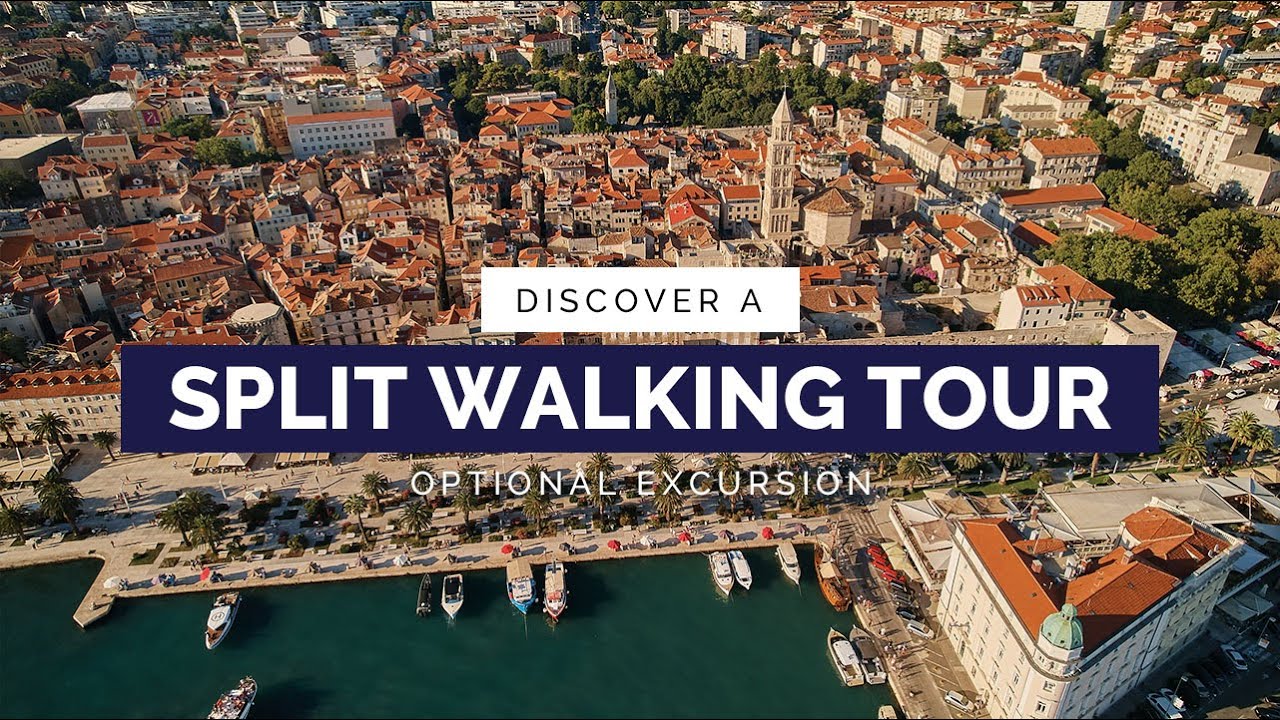
Take a walk through the largest and best surviving example of Roman palatial architecture and discover how modern life looked in the ancient imperial residence! Learn all about the UNESCO protected Diocletian's Palace that dates back some 1,700 years to the 4th Century, and is today one of the best-preserved examples of Roman architecture in Europe! This optional excursion is run by our sustainability partner, Green Sail, a non-profit organization that promotes sustainable actions within the tourism and nautical industries. Learn more about Green Sail and the impressive work they do online here: https://www.sail-croatia.com/set-sail/sailing-sustainably-with-green-sail. For more information on this optional excursion, visit the Sail Croatia website: https://www.sail-croatia.com/set-sail/resource/sail-croatia-excursions#split-walking-tour
0
0
0
2,081