Welcome aboard to the our video site for sailors. We are being constantly blasted by scammers and pirates, so registration is invite only
contact@sailorsahoy.com with "Invite". No spam, no newsletters. Just a free account
短裤 创造

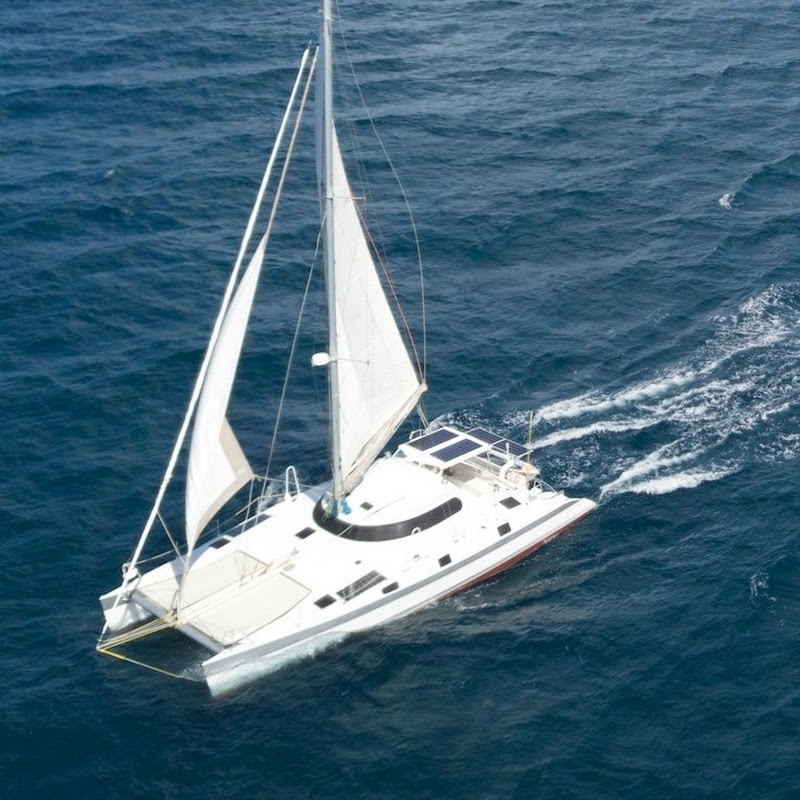
Thanks for watching! Please subscribe and leave a comment ⛵️ To support our work ❤️ https://www.patreon.com/sailingrubyrose Our videos are free for everyone to watch, and always will be. However, we have an amazing community of Patrons who, for the cost of a cup of coffee a month, receive all sorts of benefits and perks. This support allows us to continue bringing our stories to you, so a HUGE thanks to our wonderful Patrons 😊 Click the link above to find out more. SOCIAL MEDIA http://www.instagram.com/sailingrubyrose http://www.facebook.com/sailingrubyrose https://www.tiktok.com/@sailingrubyrose MUSIC Epidemic Sound Artlist Hey there! We're Nick and Terysa and we’ve become completely obsessed with the idea of sailing around the world and sharing our experiences and information through our sailing lifestyle videos with others. We met travelling around India, and quickly agreed that rather than “settling down” and doing what most normal people do, we wanted to travel and have adventures! We moved onto our 38 foot monohull in 2014, sailed across the Atlantic twice, cruised the Caribbean, Bahamas and Europe, before buying a brand new 45 ft catamaran! We hope you enjoy what we do. Please subscribe, like and share.

0
0
0
4,399

12M landing craft on sea trials
0
0
0
67

0
0
0
0
1,719

0

0
0
0
236

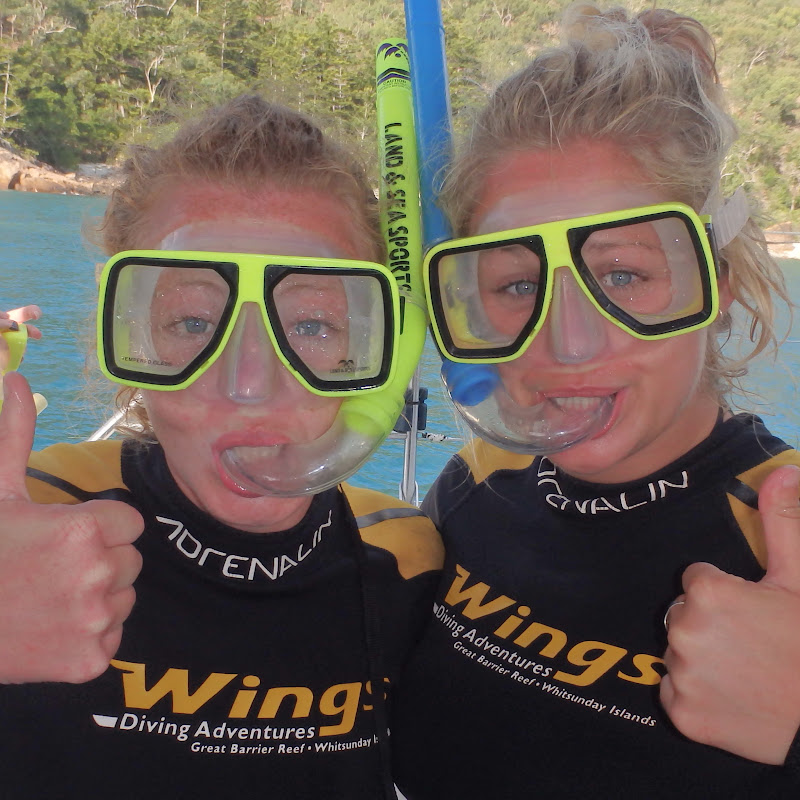
Quick look on a Wings 2 Day 2 Night tour will take you sailing and snorkelling around the Whitsunday Islands reefs. Splash around on South Whitehaven Beach and take a short walk through the rain-forest to Hill Inlet Lookout for a stunning view over the shifting sands. A social tour with up to 31 guests on board and three helpful, enthusiastic crew. Your friendly, knowledgeable crew will make your sail and snorkel Adventure a trip of a lifetime. See you on the website 🌴 - https://wings.com.au - 🌴 Follow Wings Sailing Adventures at; Instagram: https://www.instagram.com/wings.com.au/ Facebook: https://www.facebook.com/wings.com.au/
0
0
0
25

0

0
0
0
14,667