Welcome aboard to the our video site for sailors. We are being constantly blasted by scammers and pirates, so registration is invite only
contact@sailorsahoy.com with "Invite". No spam, no newsletters. Just a free account
السراويل القصيرة خلق

Bummeln Sie zu Fuß durch die Kieler Innenstadt und entdecken Sie die vier Kieler Weihnachtsmärkte und das Stadtwerke Eisfestival!

0
0
0
5,206

We sold everything to Sail the World! https://patreon.com/SailingOnward?utm_medium=clipboard_copy&utm_source=copyLink&utm_campaign=creatorshare_fan&utm_content=join_link https://www.noforeignland.com/boat/6755394716173163 Our intro for our YouTube videos, featuring Wookie Foot's Happy to be here. wookiefoot.com
0
0
0
402

0
0
0
299
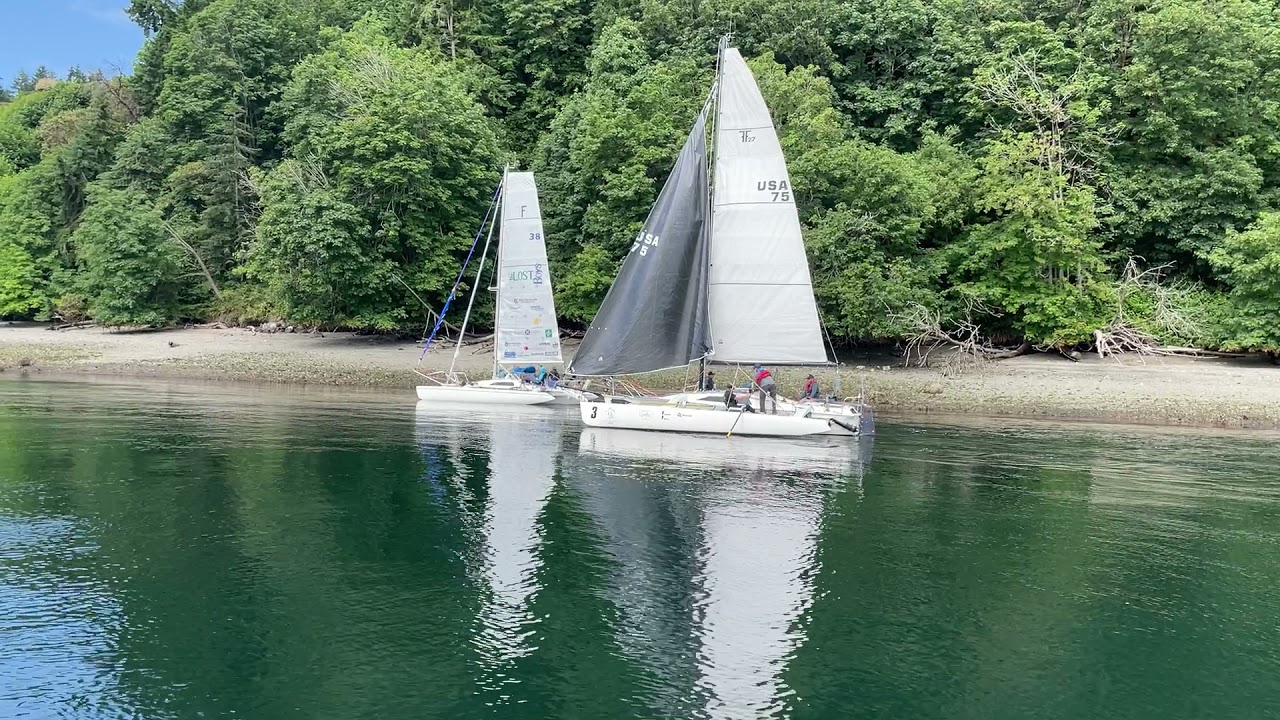
Race Boss Daniel Evans catches up with Teams LOST Boys and Out on a Limb near Tacoma Narrows. Light winds mean lots of rowing and pedal drives. WA360 2021.

0
0
0
706
0
0
0
0
8,908

From calm seas to chaos in a heartbeat 🌊🚤. Mid-Atlantic, a submerged obstacle shattered our boat’s daggerboard, flooding the ocean’s vastness. That life-changing moment taught me the true risks behind speed. Now, I’ll never sell a boat with fixed daggerboards—safety first! ⚓️✨#multihullsailing #cruisinglife #catamarans #McConaghyBoats #shorts

0
0
0
3