Welcome aboard to the our video site for sailors. We are being constantly blasted by scammers and pirates, so registration is invite only
contact@sailorsahoy.com with "Invite". No spam, no newsletters. Just a free account
短裤 创造

Join us for lots of summer fun this year at MDL Torquay Marina - Call 01803 200210 for annual and visitor berthing enquiries ⚓️⛵️🛥☀️🌴
0
0
0
154

C'est BON de partager ! C'est BON pour moi, c'est BON pour les autres et c'est BON pour la planète ! Bonne année 2018 avec https://www.PLACEdelaLOC.com ! #placedelaloc #cbondepartager
0
0
0
206

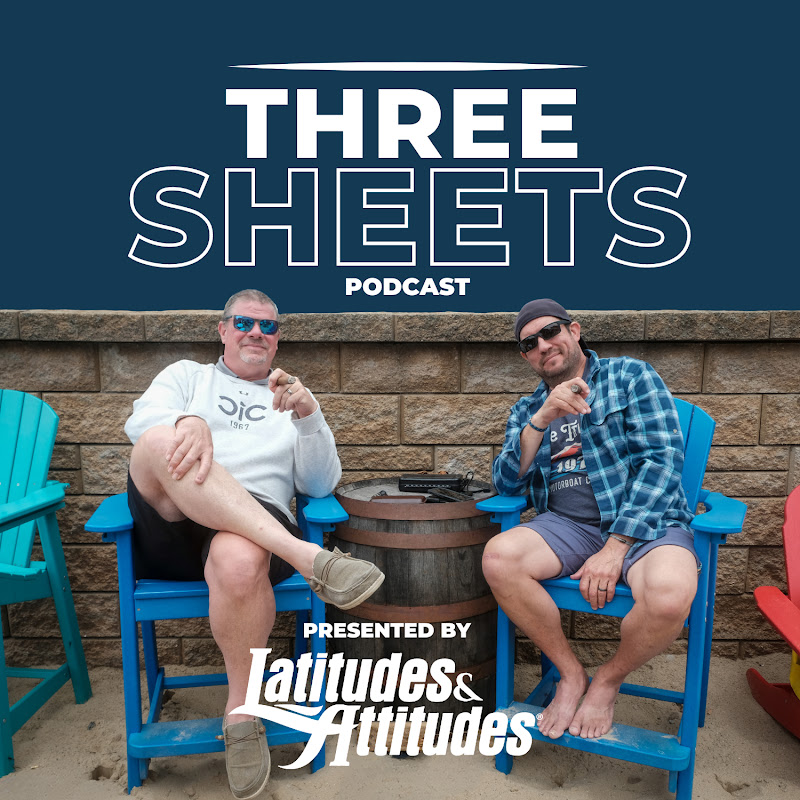
During our time with Paul and Rebecca from SV Mystic Hearts, we reminisced on how the need for social distancing led to a resurgence in the cruising community, how they like to dine up and down the east coast and David’s strategy on how to deal with unruly neighbours. Podcast: 🎙️ Three Sheets Episode is available on all streaming platforms or follow the link in our bio to listen or watch on YouTube. Follow link below to Subscibe to Latitudes & Attitudes https://latsatts.com/subscribe-2/
0
0
0
39

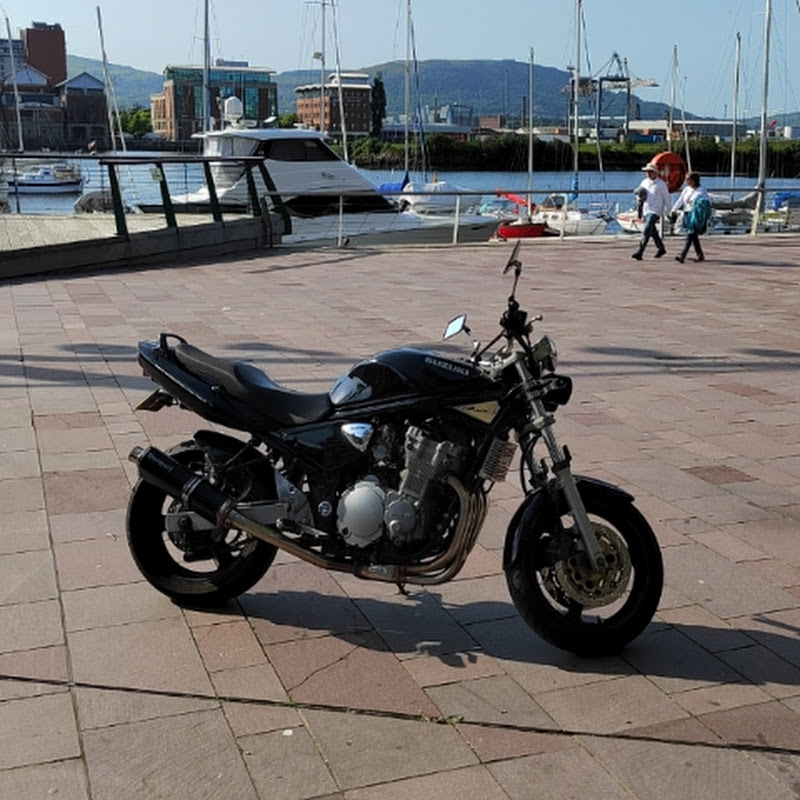
Want me to record some place for you in Belfast, let me know in comments.
0
0
0
558

From the very beginning, pure luxury flows throughout your entire journey. We are here to help every step of the way. #helpinghands #thejourneycontinues #cniyachting

0
0
0
1,082
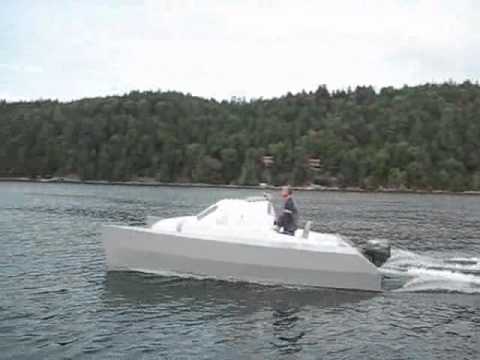
Skoota power catamaran by Woods Designs at 10 knot cruising speed build your own in plywood, see www.sailingcatamarans.com I also have a range of other multihull designs, both power and sail from 14-45ft that you can build yourself from plans

0
0
0
10,997