Welcome aboard to the our video site for sailors. We are being constantly blasted by scammers and pirates, so registration is invite only
contact@sailorsahoy.com with "Invite". No spam, no newsletters. Just a free account
Shorts Créer

Enjoy your holidays in Ibiza, touring the island by catamaran. The white island offers a paradisiacal environment, with thousands of corners to discover, dreamy seabeds, unforgettable sunsets. Don't miss it! Ibiza waits you!

0
0
0
169
0
0
0
0
4,998
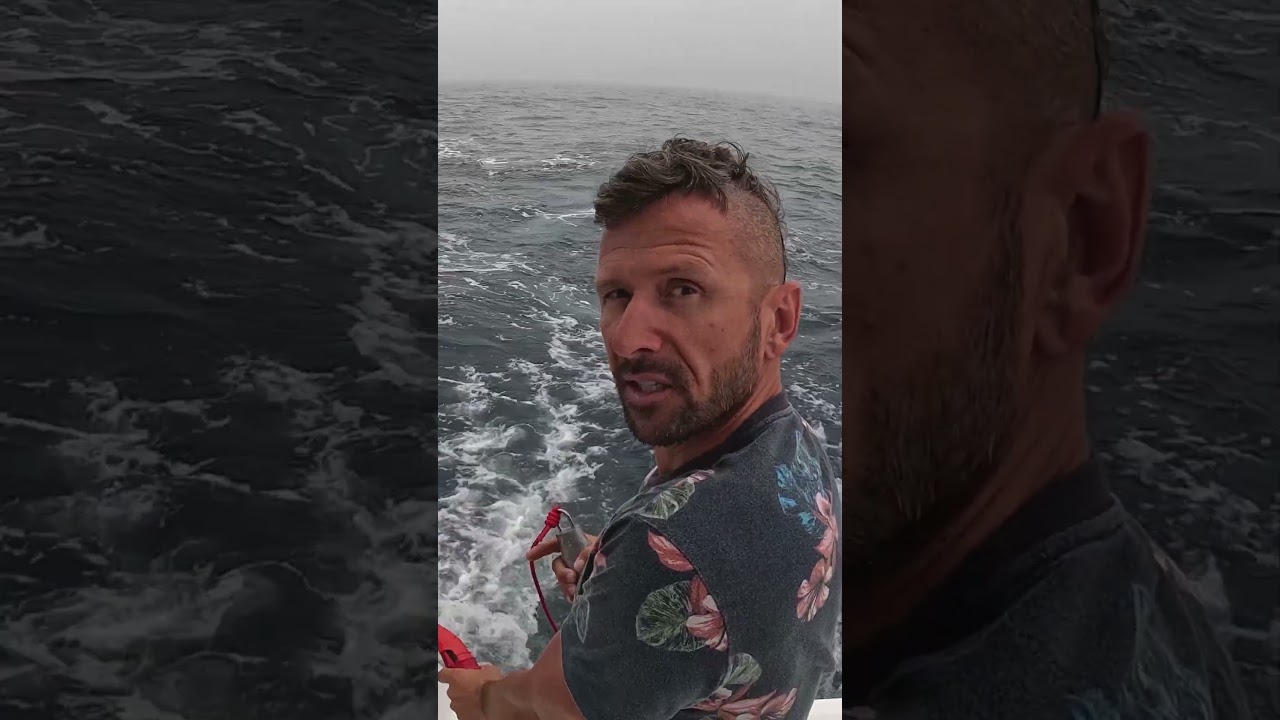
On déploie notre système anti-orques en pleine mer. Un poids de 4 kg pour garder le dispositif bien au fond… mais est-ce que ça va marcher ? 🤞🌊 ------------------------------------------------ ☀️ TU RÊVES DE VACANCES SUR UN VOILIER ? ☀️ Je t’aide à organiser ton voyage à bord d’un voilier dans les San Blas, les Bahamas ou le sud de la France ⛵ 📩 Contacte-moi : https://sailingatypic.com/pages/vacances-a-bord ❤️ MERCI À NOS PATREONS QUI RENDENT CES VIDÉOS POSSIBLES ❤️ Tu veux nous encourager ? ➤ https://www.patreon.com/sailingatypic 🌐 NOTRE SITE WEB 🌐 ➤ https://www.sailingatypic.com 👕 BOUTIQUE DE VÊTEMENTS ATYPIC 👕 ➤ https://sailingatypic.com/collections/all 🎵 ARTLIST – La musique que j’utilise pour mes vidéos 🎵 Obtiens 2 mois gratuits ici : ➤ https://artlist.io/referral/709e403c-d70b-4c55-8421-a8cbb63f2718 📶 AIRALO - Connection internet 📶 Code promo 3$ de rabais : VERONI7320 ➤ https://airalo.pxf.io/c/5786229/2071037/15608 🔔 SUIVEZ-NOUS 🔔 Facebook: http://www.facebook.com/SailingAtypic/ Instagram: https://www.instagram.com/sailing_atypic/?hl=fr YouTube: https://youtube.com/c/SailingAtypic Patreon: https://www.patreon.com/user?u=37205310
0
0
0
7,481

An absolute dream.

0
0
0
1,183

Το Women in Yachting Conference σχεδιάστηκε από την ONDECK Events με στόχο να γίνει ένα δυναμικό βήμα διαλόγου, έμπνευσης και συνεργασιών. Η διοργάνωση τόνισε ότι η ισότητα δεν αποτελεί μόνο ηθική επιταγή, αλλά και στρατηγικό πλεονέκτημα για τις επιχειρήσεις του σήμερα. Αναδείχθηκε η ανάγκη για: πολιτικές που στηρίζουν τη γυναικεία επιχειρηματικότητα, ευκαιρίες κατάρτισης και mentoring, εργασιακά περιβάλλοντα που προάγουν τη συμπερίληψη, δίκαιη εκπροσώπηση σε ηγετικές θέσεις, ενίσχυση της ορατότητας νέων γυναικείων προτύπων. Οι συζητήσεις των πάνελ, από τις πρωτοπόρες που άνοιξαν δρόμους σε έναν απαιτητικό χώρο, μέχρι τις νέες επαγγελματίες της τεχνολογίας, του σχεδιασμού και της βιωσιμότητας, ανέδειξαν τον καταλυτικό ρόλο των γυναικών στο μέλλον του κλάδου. Ένα συνέδριο που ανοίγει νέους ορίζοντες Η ONDECK Events δεσμεύεται να συνεχίσει και να επεκτείνει τον θεσμό, θέτοντας τις βάσεις για ακόμη πιο στοχευμένες δράσεις τα επόμενα χρόνια. Το Women in Yachting δεν ήταν απλώς μια ημερίδα· ήταν μια εμπειρία που άγγιξε καρδιές, ενεργοποίησε συνειδήσεις και άνοιξε νέους ορίζοντες για το μέλλον του κλάδου. Οι συμμετέχοντες συμφώνησαν ότι η ενίσχυση της γυναικείας παρουσίας στο yachting δεν είναι μόνο αναγκαία, αλλά αποτελεί παράγοντα ανάπτυξης, που εμπλουτίζει όλη τη βιομηχανία με νέες δεξιότητες, οπτικές και συνέργειες. 📌 Αν αγαπάτε τη θάλασσα, την καινοτομία, τις επιχειρήσεις αυτή η σειρά είναι για εσάς. 📲 Ακολουθήστε μας: 🔵 Facebook: www.facebook.com/SkipperONDECK/ 📸 Instagram: www.instagram.com/ondeck_mag/ 📲 Ακολουθήστε μας και στο TikTok για behind-the-scenes, highlights και mini-interviews: 👉 www.tiktok.com/@skipper.ondeck
0
0
0
0

Networking on Sailboats: A Unique Trend! #sailing #boat #shorts
0
0
0
76