Welcome aboard to the our video site for sailors. We are being constantly blasted by scammers and pirates, so registration is invite only
contact@sailorsahoy.com with "Invite". No spam, no newsletters. Just a free account
Shorts Skapa

Mount Fuji (日本, Fujisan), Japan's highest peak at 3,776 meters (12,389 ft), is a dormant stratovolcano (last erupted in 1707) and a designated UNESCO World Cultural Heritage site. It is considered a sacred site for Shintoists, who believe the peak is sacred to the goddess Sengen-Sama The Name "Fuji" * Fujisan (富士山): While often called "Fujiyama" in the West, the Japanese refer to it as "Fujisan". Both "san" and "yama" mean mountain. * Obscure Origins: The exact origin of the name "Fuji" is unclear, but many theories exist, including "immortal" (fushi) or "not two" (peerless/fuji). * Kanji Meaning: The current characters for Fuji (富士) can be interpreted to mean "wealth" (富) and "man of status" (士). * Historic Names: In The Tale of the Bamboo Cutter (9th-10th century), an elixir of life is burned at the peak, leading it to be called fushi(immortal). 2. Curiosities and Unique Facts * Three Volcanoes in One: Mt. Fuji is actually three separate volcanoes stacked on top of each other: Komitake at the base, Kofuji in the middle, and Fuji at the top. * Privately Owned: The land from the 8th station (roughly 3,360 meters) to the summit is private property belonging to the Fujisan Hongū Sengen Taisha shrine. * Forbidden for Women: For centuries until the Meiji Restoration in 1868, women were forbidden from climbing the mountain. * "Fuji's Peak" (Hairline): A widow's peak hairline (a point in the middle of the forehead) is referred to as "Fuji's peak" in Japanese and is considered a marker of beauty. * Active Volcano: Despite being dormant for over 300 years, geologists still classify it as an active volcano. * 10 Stages (Gome): The trail to the top is divided into 10 "stations" or gome, with the fifth station being the highest point accessible by vehicle.
0
0
0
475
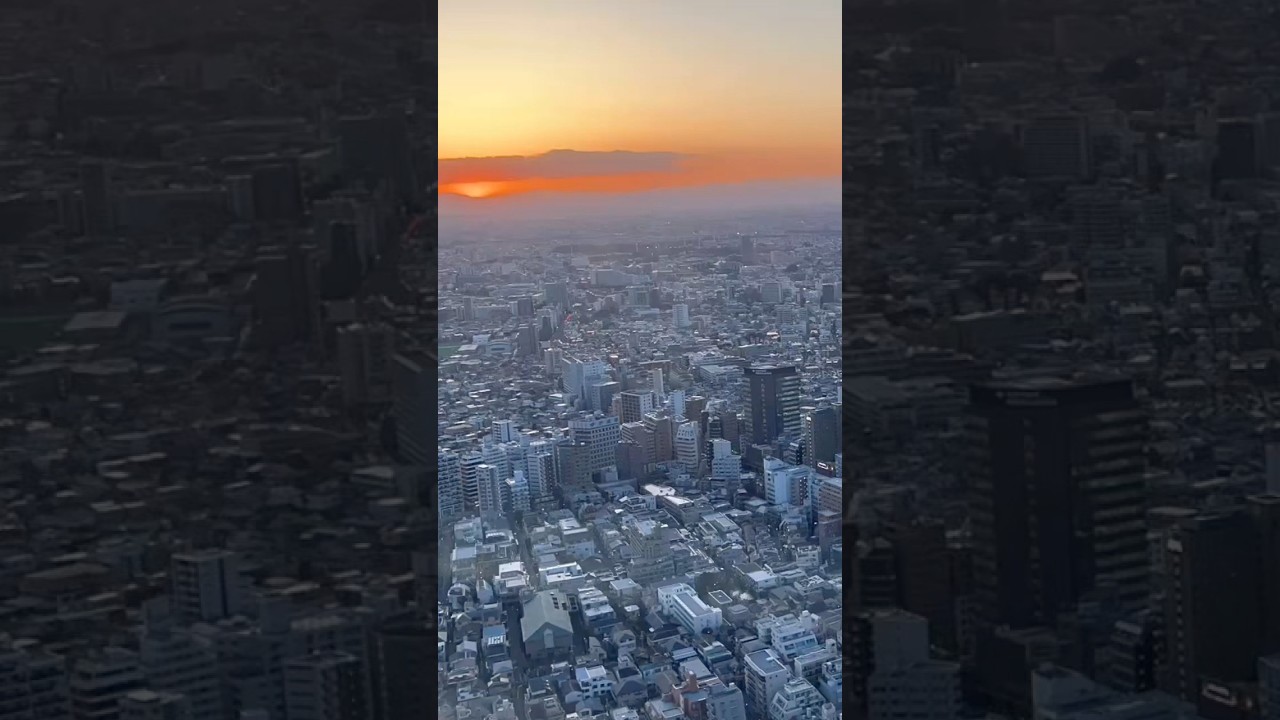
Tokyo at sunset feels like a city between worlds – the day slowly fades over endless rooftops while neon lights wake up below. From high above the streets you can see trains, tiny cars and millions of windows, all glowing in different colors. It’s chaotic and peaceful at the same time, a place where ancient temples and futuristic towers share the same sky. For a few golden minutes, Tokyo slows down just enough to let you breathe it all in.”
0
0
0
127

The 1914 Renaissance-style building boasted Japan’s first escalators, elevators, central heating, and a roof garden; lion statues at the entrance have greeted shoppers since. Nihombashi Mitsukoshi Main Store in Tokyo, founded as Echigoya in 1673, pioneered Japan’s retail revolution by selling kimono at fixed prices in a storefront instead of door-to-door. It became Japan’s first department store in 1904, introducing price tags, window displays, sales events, and a food hall—ideas borrowed from the West. The 1914 Renaissance-style building boasted Japan’s first escalators, elevators, central heating, and a roof garden; lion statues at the entrance have greeted shoppers since.
0
0
0
86