Welcome aboard to the our video site for sailors. We are being constantly blasted by scammers and pirates, so registration is invite only
contact@sailorsahoy.com with "Invite". No spam, no newsletters. Just a free account
Celana pendek Membuat

0
0
0
0
2,346

We got increasingly frustrated by our small petrol (gas) outboards that we use very infrequently on our dinghies and Chat 18 catamaran. Never quite knowing whether they would start, or how long they would run. Usually because the small jets would clog up, a problem aggravated by the ethanol fuel now used in the UK, USA and elsewhere. So earlier this year we bit the bullet and bought a used Torqeedo 1103 electric outboard. It was on ebay, from "one careful lady owner" - actually the advert said "only used on a fresh water trout farm" which we hoped was much the same thing. And we have been very pleased with it this summer, using it on Sagitta's tender, sometimes for long distances, yet never seeing the charge drop below 80% So we then tried using it on our Chat 18. And immediately discovered two problems, probably common to other small daysailing boats. First, the battery was much larger than the integral petrol fuel tank. So, when tilted up on the swingdown bracket, the Torqeedo hit the tillerbar. That meant we had to use the transom mount, which in turn meant the leg had to be angled back in use to clear the immersed rudder blade. Very inefficient and too close to the surface. And second, when tilted up and turned sideways the tiller control arm would detach - something that doesn't happen with a petrol outboard. So we had to remove it, and then reattach it whenever we wanted to motor. Fortunately Torqeedo has realised that many people have these problems and so supply reasonably priced, extra long cables, not just for the battery but also for the tiller arm. Accordingly we bought a 1.5m (5ft) battery cable and a 5m (16ft) tiller cable. This video shows the results of the first motor, one calm winter evening. I still have to re-route the cables through the back of the cockpit and more permanently mount the tiller arm. The deeper propellor is more efficient and there is no aeration when cornering or in waves. Top speed was very close to 5 knots, about hull speed on an 18ft boat. In reverse speed was about 3 knots. Although it's more awkward to lift the outboard leg without the battery in place it does now fit comfortably below the tillerbar when raised for sailing. So we're very happy so far! For once there is audio on this short video. But even if you turn the volume to high you won't hear the outboard - another bonus! More on the Chat 18 here https://sailingcatamarans.com/index.php/designs-2/2-catamarans-under-25ft/475-chat-18-daysailing-catamaran And Torqeedo here https://nestawayboats.com/
0
0
0
34

Velejar é a personificação da liberdade. Quando os ventos acariciam as velas e a água se estende diante de nós, sentimos uma sensação indescritível de liberdade. Navegamos pelos mares, livres das amarras terrenas, envolvidos pela vastidão do oceano. O velejar nos proporciona a oportunidade de escapar das preocupações diárias, das responsabilidades e das restrições da vida moderna. É um momento em que nos permitimos ser guiados pelo vento, explorando horizontes desconhecidos e abraçando a aventura. Nos tornamos os capitães de nossos destinos, guiando nossa embarcação em busca de novas experiências e descobertas. No velejar, encontramos uma liberdade que nos liberta das correntes da rotina, nos conecta com a natureza e nos permite voar nas asas do vento. Sailing is the embodiment of freedom. When the winds caress the sails and the water stretches before us, we feel an indescribable sense of freedom. We sail the seas, free from earthly constraints, enveloped by the vastness of the ocean. Sailing provides us with the opportunity to escape the daily worries, responsibilities, and restrictions of modern life. It is a moment when we allow ourselves to be guided by the wind, exploring unknown horizons and embracing adventure. We become the captains of our destinies, guiding our vessel in search of new experiences and discoveries. In sailing, we find a freedom that liberates us from the chains of routine, connects us with nature, and allows us to soar on the wings of the wind.
0
0
0
203

0
0
0
0
1,139

We were very charmed by the village of Klima in the south of Milos, where the famous fishermen’s houses with their colorful doors are located right by the sea. These houses are called syrmata. The houses are built into hollowed-out soft rock, where fishermen in the last century stored their boats to protect them from the strong winds and waves. The ground floor serves as a storage space for the boats (during winter), while the fisherman lives on the second floor during the working season, where there is a living area with a sleeping space. We made a short video of these characteristic houses!
0
0
0
28
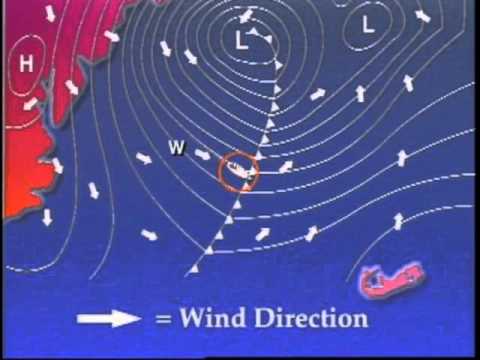
TRAILER From Sailing Quarterly: Seamanship Vol. 1 Bill Biewenga explains how to gather weather information using your eyes, your boat's instruments and hi seas radio broadcasts. Learn from the clouds, the sea state around you, and changing patterns you observe. Refer to your instruments on board and gather information from outside sources. Then put the information together to see what might be headed your way and decide how best to route your boat. Buy the complete volume at https://youtu.be/mRiVd_gzLsg Also at... http://www.thesailingchannel.tv/seamanship-training-vol-1/ https://vimeo.com/ondemand/seamanship1

0
0
0
1,371