Welcome aboard to the our video site for sailors. We are being constantly blasted by scammers and pirates, so registration is invite only
contact@sailorsahoy.com with "Invite". No spam, no newsletters. Just a free account
شلوار کوتاه ایجاد کردن
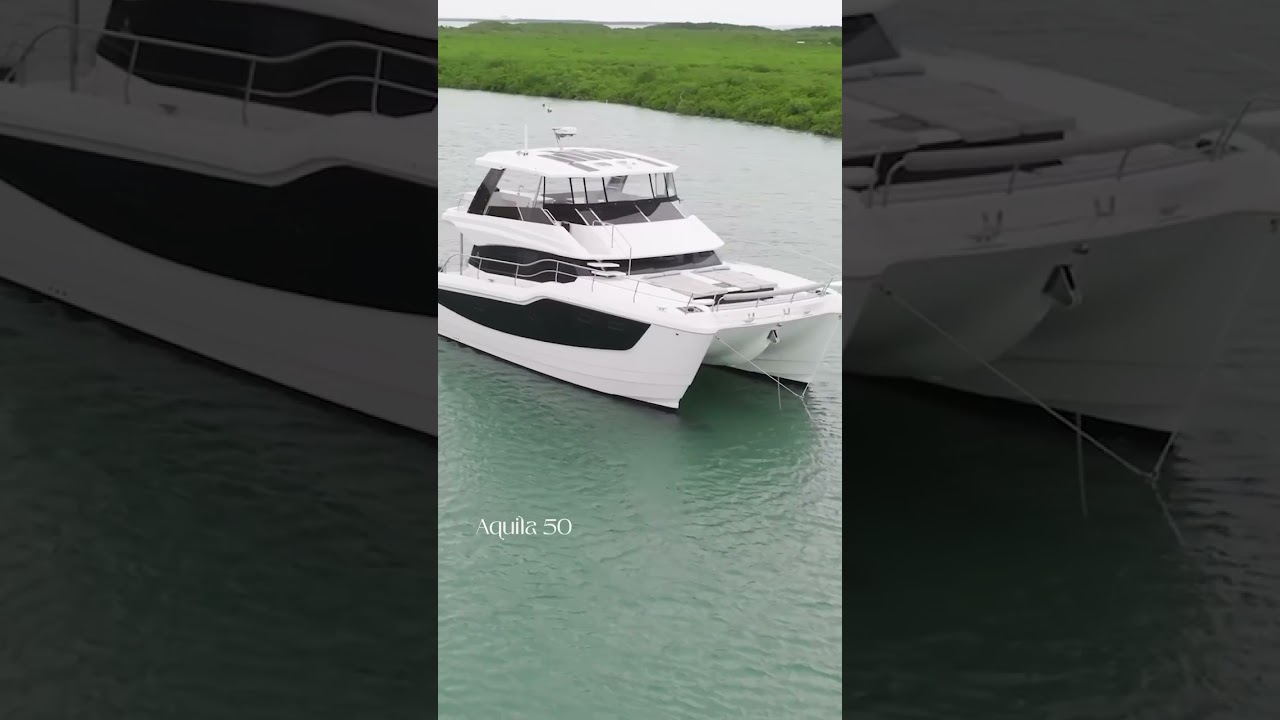
Every boater is wired a little differently. Some of us live for the technical data, tracking fuel burn, and dialing in the perfect cruise speed. Others just want to pack the cooler, drop the throttle, and find a quiet cove for the weekend. So, we want to know: What’s your boating style, and what do you currently ride? Are you a hardcore offshore angler? A long-range cruiser? Or a weekend day-boat champion? Tell us how you use your boat in the comments below! 👇 The Cool Part: There is a very good chance we’ve put your exact model through our full performance testing matrix. We love hearing how our data matches up with real-world ownership. Drop us an email at testimonials@boattest.com to tell us what you own, how it performs, and your favorite memory onboard—we want to hear your story! 📩 Join smart boaters. Sign up for our newsletter to get the latest performance reports and engineering breakdowns delivered straight to your inbox. #BoatTEST #boating #newboats #whatkindofboaterareyou #askboattest

0
0
0
245

0

0
0
0
40

The yellow stingray (Urobatis jamaicensis) is a species of stingray in the family Urotrygonidae, found in the tropical western Atlantic Ocean from North Carolina to Trinidad. This bottom-dwelling species inhabits sandy, muddy, or seagrass bottoms in shallow inshore waters, commonly near coral reefs. Reaching no more than 36 cm (14 in) across, the yellow stingray has a round pectoral fin disc and a short tail with a well-developed caudal fin. It has a highly variable but distinctive dorsal color pattern consisting of either light-on-dark or dark-on-light reticulations forming spots and blotches, and can rapidly change the tonality of this coloration to improve its camouflage. Relatively sedentary during the day, the yellow stingray feeds on small invertebrates and bony fishes. When hunting it may undulate its disc to uncover buried prey, or lift the front of its disc to form a "cave" attractive to shelter-seeking organisms. This species is aplacental viviparous, meaning that the developing embryos are sustained initially by yolk and later by histotroph ("uterine milk"). Females bear two litters of up to seven young per year in seagrass, following a gestation period of 5–6 months. Though innocuous towards humans, the yellow stingray can inflict a painful injury with its venomous tail spine. This species is taken as bycatch by commercial fisheries and collected for the aquarium trade; it may also be negatively affected by habitat degradation. Nevertheless, it remains common and widespread, which has led the International Union for Conservation of Nature (IUCN) to list it under Least Concern.

0
0
0
38

The Princess 82 is built in the UK, and for selling it in the United States, Princess Yachts makes several adjustments. When our reviewer Jeanne Craig found the first 82 to come to this side of the pond, she stepped aboard and shot this First Look Video. In it, you can see how Princess tweaked and changed the yacht, to match up with the American market. http://features.boats.com/boat-content/2013/12/princess-82-first-look-video/ For more boat videos, visit www.boats.com.

0
0
0
6,208

⛵😊🌅 "Captain of cuteness, reporting for duty!" A little sailor takes the helm with both hands, life jacket almost too big, smile even bigger — the golden sunset lights up their face as proud parents cheer from behind. 8 seconds of pure joy and unforgettable family magic. #LittleCaptain #SailingMemories #FamilyAdventure #SunsetSmiles #TinyHelmsman #HeartwarmingMoments #OceanJoy #ProudParents #CuteAtSea #SailingWithLove

0
0
0
144

Delfines, agua turquesa, navegación a vela...
0
0
0
76