Welcome aboard to the our video site for sailors. We are being constantly blasted by scammers and pirates, so registration is invite only
contact@sailorsahoy.com with "Invite". No spam, no newsletters. Just a free account
শর্টস সৃষ্টি
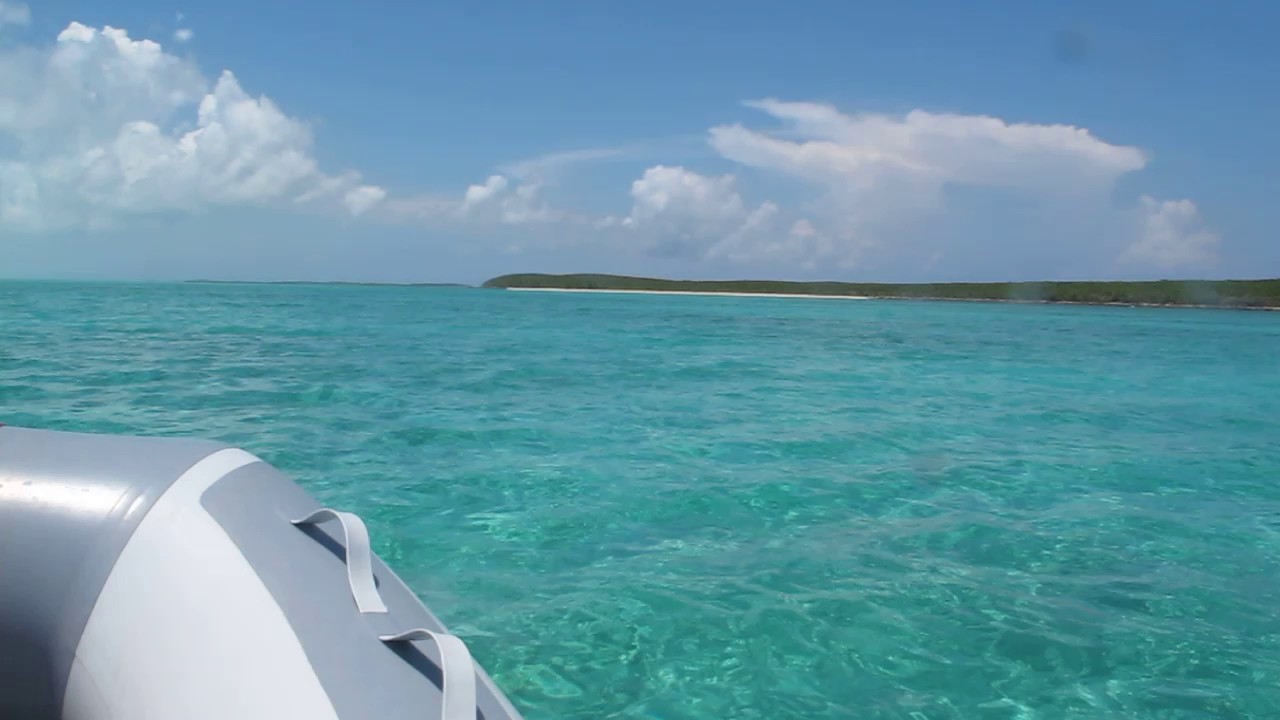
Dinghy ride to the beach in the Berry islands. Bahamas
0
0
0
60

► Full report in Multihulls World N°197: https://www.multihulls-world.com/articles-catamaran-trimaran/lagoon-world-escapade-over-400-catamarans-get-together-all-over-the-world ► It's not every day that a shipyard celebrates its 40th anniversary... and when it's the world’s #1 cruising multihull shipyard, things are bound to be done in style! At Lagoon, celebrations are taking place throughout 2024, having started in March with the presentation of the Lagoon 60 at their Bordeaux site and continued with the Lagoon Escapade. Over the long weekend of May 17, 18 and 19, no fewer than 30 owners’ rendezvous were held simultaneously all around the world (well, almost simultaneously, ignoring the time difference...). In all, 300 Lagoons and 1,500 crew celebrated this anniversary. We were at the Lagoon Escapade in Turkey with Lagoon brand manager Thomas Gailly. ► Become a FREE SUBSCRIBER to Multihulls World's YouTube page now - https://www.youtube.com/c/MultihullsWorld ► Log on to our website to discover over 500 multihulls tests! Subscribe to our newsletter to take advantage of our promotions and boat show invitations! https://www.multihulls-world.com/ ► Follow us on Facebook! https://m.facebook.com/MultihullsWorldMag/?locale2=fr_FR ► Discover us on Instagram! https://www.instagram.com/multihulls_world/ ► Follow our multi news on X https://twitter.com/multihullsworld?lang=fr ► Let’s talk about business https://www.linkedin.com/company/multicoques-mag-multihulls-world/ ► Like us on TikTok! https://www.tiktok.com/@multihullsworldmag #multihullsworld #yachting #multihull #cruising #bluewater #sailing #sailcruising #seatrial #boatreview #bluewatersailing #powercat #boat #boatlife #boating #sailingday #YouTube #tiktok #catamaran #trimaran #thomasgailly #emmanuelvandeth #tezmarin #lagooncatamarans #lagoonworldescapade @Tezmarinchannel @lagooncatamarans

0
0
0
233
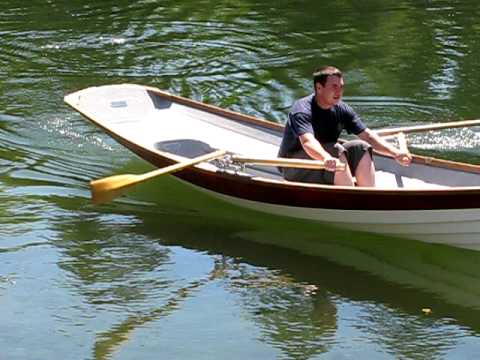
Forward Facing Rowing System installed on a Gig Harbor Boat Works' 16.5 Melonseed Skiff. Note the smooth operation, powerful stroke, visibility and directional control. Learn more at https://ghboats.com/forwardrow Like the boat? See it at https://ghboats.com/our-boats/165-melonseed/

0
0
0
51,554

This is a one of a kind Custom built Luxury yacht tender with only 105 hours on the 2018 twin four stroke counter rotating 150 hp Yamaha outboards. There is lots of room for family and friends and maybe some enemies too. There are custom fit covers for all of the upholstery and components including a full length T top bimini. Lots of dry storage throughout the boat. Feel safe and get there fast through any weather, this boat shrinks distances for commuters. This RIB is very well appointed: teak decks, teak steptreads, custom winter cover, Big screen Garmin chartplotter, 2 remote spot lights, Uniden VHF radio, SS arch, 15 amp shore power with battery charger, remote fuel filters, full length keel guard. Novurania is a premium RIB brand with the highest quality fit , finish and performance.

0
0
0
599

0

0
0
0
143

0

0
0
0
434