Welcome aboard to the our video site for sailors. We are being constantly blasted by scammers and pirates, so registration is invite only
contact@sailorsahoy.com with "Invite". No spam, no newsletters. Just a free account
Celana pendek Membuat

0
0
0
0
507
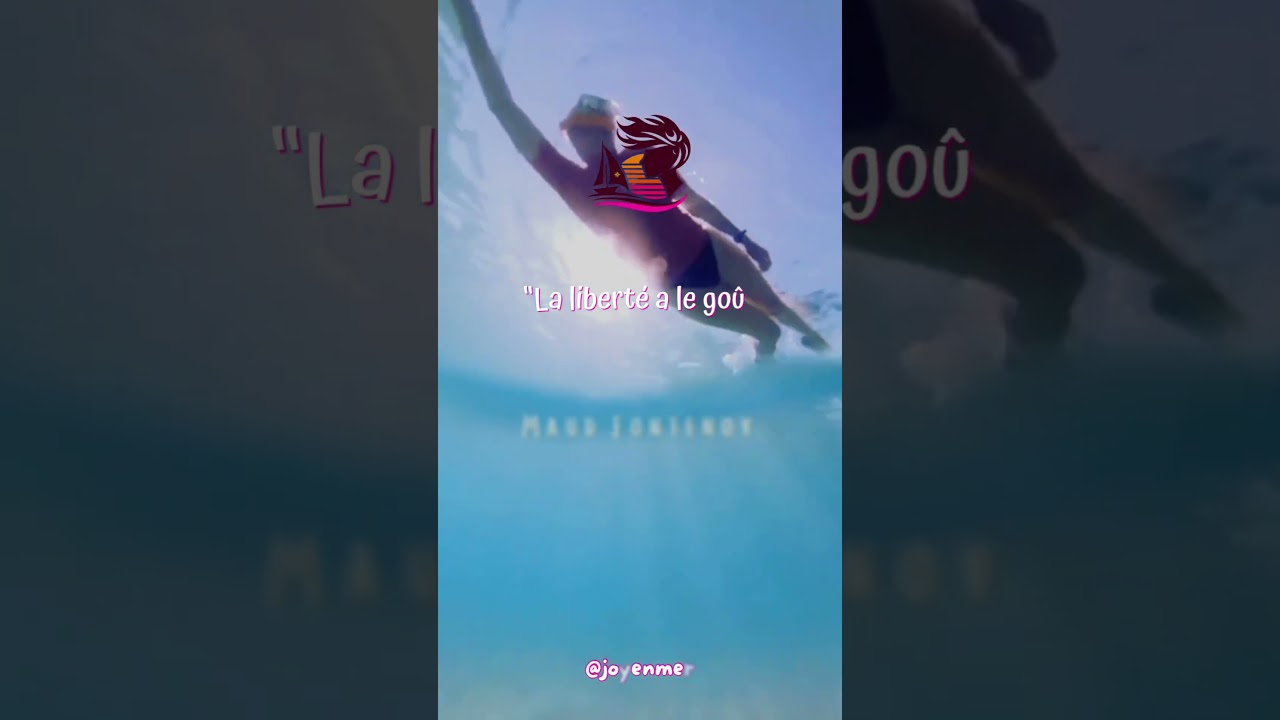
⛵ Maud de Fontenoy n’a jamais eu peur d’affronter les vents contraires… En 2003, elle devient la première femme à traverser l’Atlantique Nord à la rame, en solitaire et sans assistance. Une aventure épique, en sens inverse des courants dominants ! Pendant 117 jours, son canot Pilot fend l’océan d’ouest en est, défiant les éléments et les statistiques. #femmesfortes #navigation #atlantique #citation
0
0
0
1,991
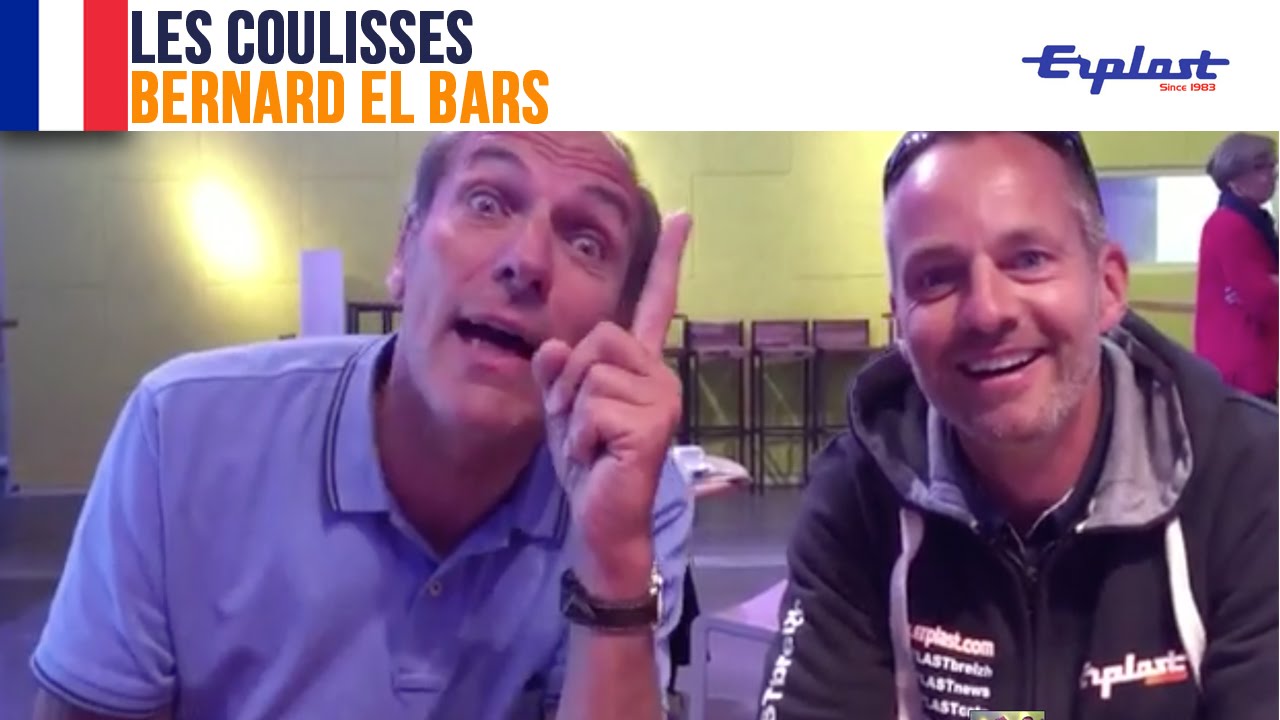
L'optimist ou l'optimisme ! Bernard Le Bars nous parle de ses premières émotions en Optimist. Retrouvez l'interview de Bernard Le Bars dans les coulisses d'Erplast. Site web: https://lc.cx/4TmC Suivez nous sur Facebook : https://lc.cx/4Tmj Spécialiste dans le développement et la fabrication de catamarans, dériveurs, pièces détachés (gouvernails, accastillage, cordage, gréement, voilerie, mise à l'eau) ainsi que des équipements techniques tels que des ceintures de trapèze, combinaisons, gilets de sauvetage, lycras, salopettes et vestes de quart etc. Erplast est une entreprise fondé en 1983, lider et unique fabricant français d'Optimist pour le loisir et pour la compétition. Les Optimists Erplast répondent à la jauge Loda 95 et participent ainsi à de grandes compétitions internationales depuis 1998. En 2009, Erplast reprend les marques New Cat et KL Catamarans devenant ainsi un acteur incontournable dans le monde de la voile légère. L'entreprise présente en 2012 son nouvel Optimist en polyéthylène rotomoulé, l'Optikid. Depuis 2013, Erplast présente sa nouvelle identité visuelle, le New Cat «M» Toute la gamme Erplast : New cat 10.5 New cat 12 New cat 13.5 New cat 14 New cat 16 Catamaran M by Erplast Swing Booster Warp Optilène Optimôme Optimist IODA Fugu Zoom8 Abonnez-vous à la chaîne Erplast https://lc.cx/4Tmy
0
0
0
36

Sailing into Passion Boat Romance! #sailing #boat #shorts
0
0
0
135

OUR NEW WORLD CHAMPIONS @fischerpequin49er 👏🇫🇷🎉🎊‼️ The Frenchies not only won the title before the medal race, but also made history by becoming the first ever French 49er World Champions ‼️🇫🇷 Allez les bleus!! 👏👏 👉🏻 #49erworlds #lanzarotesailingcenter 👈🏻 @lanzaroteesd @TurismoLZT @cabildodelanzarote @islascanariasoficial @RealFederacionCanariaDeVela @oficial_rfev #LanzaroteESD #islascanarias #SailingParadise #49ersailing #49erFXsailing #Skiff @49ersailing @marinarubiconlanzarote @dinghycoach_ @forward_wip 📸 @sailingenergy Video: AALVAA Media

0
0
0
1,286

0
0
0
955