Welcome aboard to the our video site for sailors. We are being constantly blasted by scammers and pirates, so registration is invite only
contact@sailorsahoy.com with "Invite". No spam, no newsletters. Just a free account
Korte broek Opprett
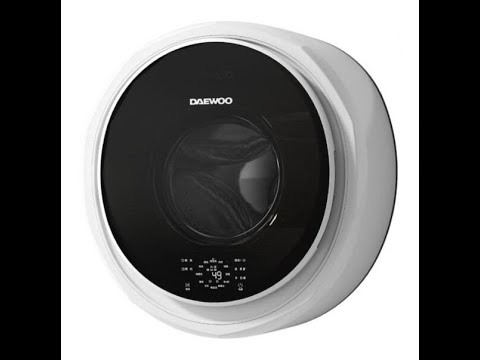
WASCHMASCHINE MINI WASCHTROCKNER im WOHNMOBIL Daewoo DY-BGX05 Mini Camper Waschautomat https://outlet.allergoedkoopst.com/shop/wellness-sanitair/daewoo-wall-mounted-mini-washing-machine-2-5-kg-dy-bgx05-washing-drying/

0
0
0
132

Brazil's Patricia Freitas didn't take to windsurfing at first, but once she got up to full speed the adrenalin rush has kept her in the game ever since. She will be sailing at her second Olympic Games at London 2012

0
0
0
448

0
0
0
0
15,147

the #R4 legend stripped down to its very spirit and injected with a new energy. meet #Renault4 #Etech 100% #electric: front grille shape, vertical taillights, angled tailgate… #liberté4ever learn more on https://bit.ly/3ZLO6zf

0
0
0
385

HIMALAYAS, "Where mountains touch the sky and souls find solace. 🏔️ #HimalayanMagic" Himalayas, where majestic peaks rise above the clouds, casting their ancient spell on all who venture into their midst. From the serene beauty of snow-capped summits to the rugged terrain that challenges the most adventurous spirits, every step unveils a new wonder. Here, nature's grandeur whispers tales of resilience and awe, echoing through valleys and glaciers, captivating hearts and inspiring dreams. Welcome to a realm where earth meets heaven, where the journey transcends the destination. Welcome to the Himalayas. #MountainMagic 🏔️✨ @sanndzboze #sandy, #godsownmeadow, #photography, #perspective, #perspectivephotography, #trending, #trendingreels, #himachal, #himachalpradesh, #himalayas, #mountains, #travel, #outdoors, #tourism,#ytshorts ,#youtube

0
0
0
79

Early days of a new Contest 63CS. Cured in the mould, the inverted deck is released and cradled before heading to the finishing hall where principal hardware and services will be installed before joining with the hull.

0
0
0
839