Welcome aboard to the our video site for sailors. We are being constantly blasted by scammers and pirates, so registration is invite only
contact@sailorsahoy.com with "Invite". No spam, no newsletters. Just a free account
Shorts skab

0

0
0
0
81


0
0
0
394
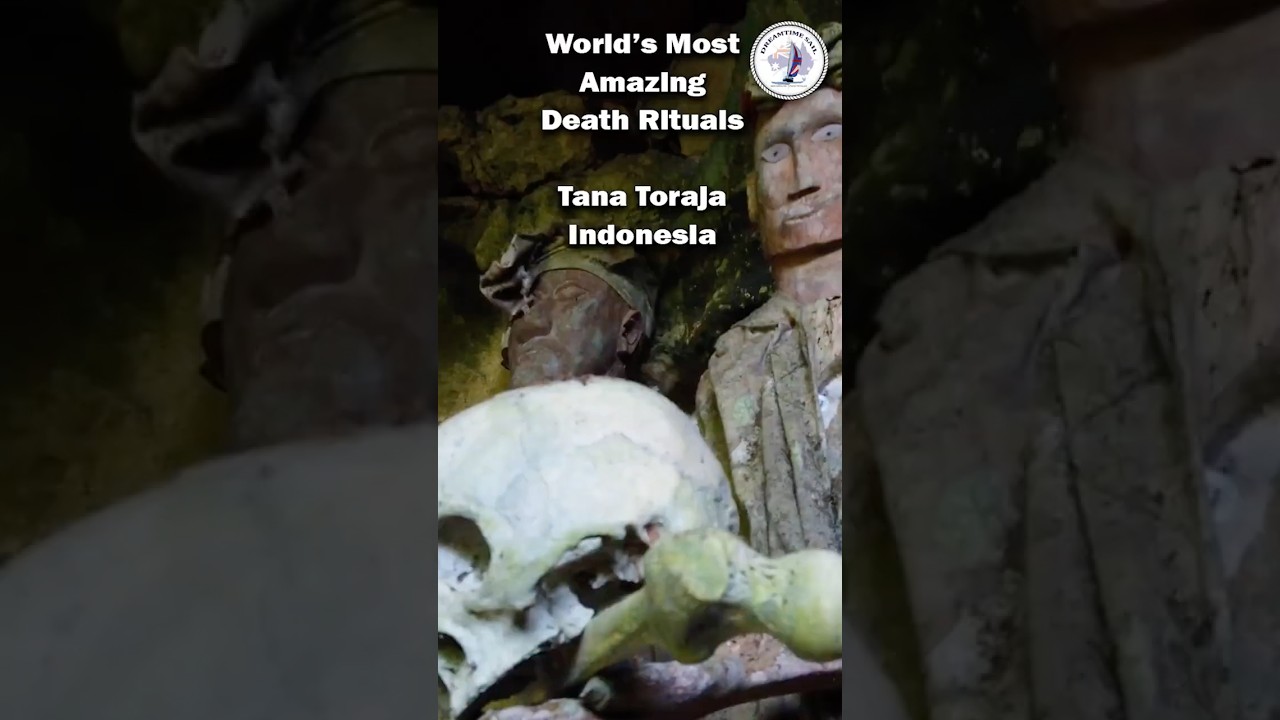
The unique and intricate death customs of Tana Toraja have been celebrated for centuries, making them some of the most complex and expensive funeral traditions in the world. Before Dutch Christian Missionaries arrived, Torajans practiced Animism, the belief that non-human entities possess a spiritual essence. Despite now nominally following other religions, the Torajans still practice their ancient funeral customs which are known to be some of the most elaborate in the world. During their lives, the Torajans work extremely hard to accumulate wealth. But unlike other societies, the Tarajans do not save their money to achieve materialistic status for themselves, rather they save for a good send off in death. In fact, it is the extravagance of their funeral, which marks a family’s position in Torajan society. People will live under the same roof as a deceased family member for months or years until the money is in place to pay for their elaborate, ritual funeral. After leaving Our Dreamtime at anchor in Palopo under the watchful eyes of our buddy boaters, Daniel and Emma, we travel over treacherous roads into the highlands of Sulawesi to the town of Rante Pao in the Region of Tana Raja. We’ve sailed nearly 200 miles and spent hours driving through the mountainous jungle to attend the funeral of someone we don’t even know. Why? Because it’s Tana Toraja and not just any funeral. In this episode we experience one of these remarkable rituals firsthand before exploring the incredible natural beauty and unique culture of this world famous region of Indonesia. #indonesia #livingdead #deathrituals

0
0
0
703

Two of our Nitrox students who witnessed there first whale shark on Manta Queen 3 with their amazing instructor Daniel. They were entertained by his songs and wisdom, shared the glory of mantas galore, and had four wonderful nights with divers from around the globe!
0
0
0
89

The yellow stingray (Urobatis jamaicensis) is a species of stingray in the family Urotrygonidae, found in the tropical western Atlantic Ocean from North Carolina to Trinidad. This bottom-dwelling species inhabits sandy, muddy, or seagrass bottoms in shallow inshore waters, commonly near coral reefs. Reaching no more than 36 cm (14 in) across, the yellow stingray has a round pectoral fin disc and a short tail with a well-developed caudal fin. It has a highly variable but distinctive dorsal color pattern consisting of either light-on-dark or dark-on-light reticulations forming spots and blotches, and can rapidly change the tonality of this coloration to improve its camouflage. Relatively sedentary during the day, the yellow stingray feeds on small invertebrates and bony fishes. When hunting it may undulate its disc to uncover buried prey, or lift the front of its disc to form a "cave" attractive to shelter-seeking organisms. This species is aplacental viviparous, meaning that the developing embryos are sustained initially by yolk and later by histotroph ("uterine milk"). Females bear two litters of up to seven young per year in seagrass, following a gestation period of 5–6 months. Though innocuous towards humans, the yellow stingray can inflict a painful injury with its venomous tail spine. This species is taken as bycatch by commercial fisheries and collected for the aquarium trade; it may also be negatively affected by habitat degradation. Nevertheless, it remains common and widespread, which has led the International Union for Conservation of Nature (IUCN) to list it under Least Concern.

0
0
0
320


0
0
0
1,345