Welcome aboard to the our video site for sailors. We are being constantly blasted by scammers and pirates, so registration is invite only
contact@sailorsahoy.com with "Invite". No spam, no newsletters. Just a free account
निकर सृजन करना

Indian Summer II anchored in the FL Keys during a ASA live aboard sailing course.

0
0
0
5

46 meter Benetti Motoryacht - Asking Price : Euro 4.995.000 Mistress, a classic Benetti Shipyard 45 metre craft, reflects the owner’s profound love for traditional values, praticality and hospitality. The essential theme is confort and luxury, expressed through a generous use of space, perfectly matching the elegant boisseries and Versace furnitures. The result is a unique megayacht inimitable in its design and classic in its decor. With its sleek line and balanced proportions, evoking a world of harmonious beauty, her living spaces are delightfully warm and refined. Mistress is design for accomodating up to 9 guests in 5 cabins in the lower deck plus 2 in the master bedroom on the main deck, all with private bathroom and wardrobes. The finishings of the guest cabins are in contrasting colours in walnut. Mistress its design for fitting 10 crew on board. Designed for long distance cruising, “Mistress” was fitted on the flying bridge with Jacuzzi and a barbeque dining area. A gym and sauna room are located on the lower deck. All the equipments for scuba diving and snorkeling are also provided. Additionally, there are a large tender and two water bike on the upper deck. In sky lounge bar, you can find a huge flat screen TV equipped with karaoke system and media entertainments. All the bedrooms are fully equipped with TV’s and DVD players. TOYS N. 2 Jet Skys Sea Doo Sparc 2up Tender with Engine 115 cc Envinerude N. 2 Kayak N. 2 Kit for Scuba Diving Kit for Snorkeling DINING AREA Mistress is tought for corporate and family daily events. Counting all the dining areas you can serve up to 40 or more guests for dining on board. On the main deck there are 2 dining areas, one inside the living room that can seat up to 10 guests and outside of the main deck open area where there is a dining table that can fit up to 8 guests. On the upper deck open area there is a dining table that can accomodate 10 guests and on the sky lounge indoor dining with maximum 6 person capacity. The flying bridge barbecue dining area comes with a table which can be used for 8 guests both for aperitives and dinner. TECHNICAL DETAIL ENGINES MTU 2000x2 serie 396 N. 2 Caterpilar 125 kw Depurator Fuel Aman Black Water Fuel Tank 49 m3 Dirty Oil 1300 Lt Lube Oil 1300 Lt Water Tank 10 m3 Gray Water Tank Aft 1300 Lt Grey Water Tank Fwd 2400 Lt NAVIGATION SYSTEM Radar Furuno Radar Simrad N. 2 VHF DSC SEA 7157 Gyro Furuno Ais Furuno GPS Navigator Furuno Meteofax Cartographic Nobeltec Imarsat Miniemm Furuno SSB System Scanti Nerara Sat (Satellitar Phone) Antenna Sat Antenna Internet N. 2 Bow Winches N. 2 Stern Winches N. 2 Crane for Tender ENTERTAINMENT Gym Sauna Wi Fi Music System 8 Televisions Karaoke System Jacuzzi Mini Bars AREA LOWER DECK All the 5 guests cabins with their own bathrooms are located on the lower deck. There is a spacious crew area with 4 cabins that can contain 9 crew, utilities rooms such as the laundry and ironing room, and the engine room together with its control room. MAIN DECK Through the main deck you can access to gym area where there is also a sauna and a toilet.On the inside you can find a spacious living room, a dining area and the kitchen. The master bedroom is located on the front of the main deck with a wardrobe and 2 toilets for him and for her. UPPER DECK The sky lounge in the upper deck, provides guests with an ideal space for relaxation, table games, television and music. The captain room with the command area its located on the front of the upper deck. FLY BRIDGE You can access to the flying bridge from the upper deck and you will find a dining area and a jacuzzi.

0
0
0
389

While in Florida make sure to visit rainbow river and crystal river springs

0
0
0
338

In Palamós, a city in the Baix Empordà region, an exhibition by the regatta team of Club Nàutic Costa Brava – Vela Palamós was held during the trophy's visit. Miquel Aviño, Vice President of the club; Natalia Via-Dufresne, former Olympic sailor and Head of Water Operations at America's Cup Event (ACE) Barcelona; and the Mayor of Palamós, Lluís Puig, spoke to the fans. SUBSCRIBE to the official America's Cup channel: https://www.youtube.com/c/americascup Like America’s Cup On Facebook: https://www.facebook.com/americascup Follow America’s Cup On Twitter: https://www.twitter.com/americascup Follow America’s Cup On Instagram: https://www.instagram.com/americascup Stay up to date with the America’s Cup newsletter: https://www.americascup.com/en/newsletter The 37th America's Cup will be Defended in Barcelona by four-time America's Cup winner, the Royal New Zealand Yacht Squadron represented by their team, Emirates Team New Zealand. #AmericasCup #AC37 #Barcelona2024

0
0
0
1,495
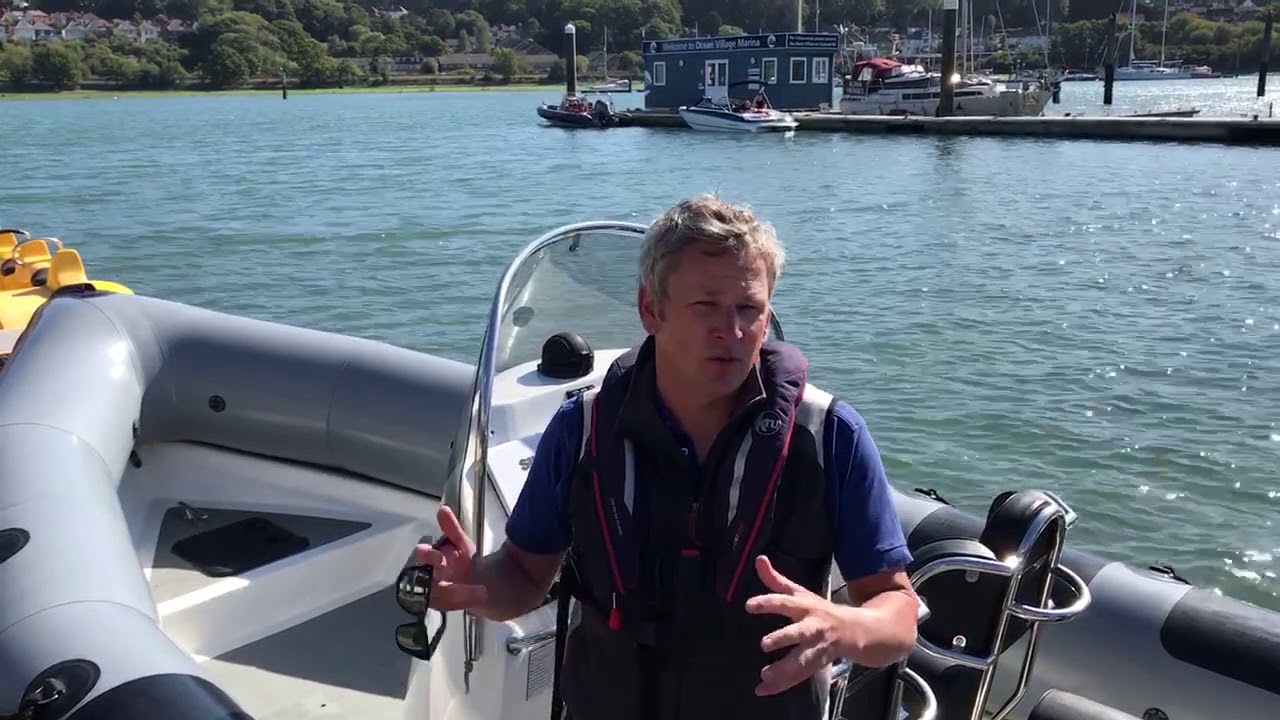
Can't decide whether to do your RYA Powerboat Level 1 course or jump straight into RYA Powerboat Level 2? In our latest video, Andy outlines the difference between the two courses. For more details on RYA Powerboat Level 2 courses, visit www.oceansportstuition.co.uk
0
0
0
4,214

J22 : Des conditions difficiles pour Tanguy de Lamotte

0
0
0
2,138