Welcome aboard to the our video site for sailors. We are being constantly blasted by scammers and pirates, so registration is invite only
contact@sailorsahoy.com with "Invite". No spam, no newsletters. Just a free account
Şort oluşturmak

MY Lauren L will be in Patagonia this winter starting January 8th, contact us now to secure your winter charter: nicks@titanboker.com / stephanie@titanbroker.com www.titanfleet.com/charter/lauren-l
0
0
0
56
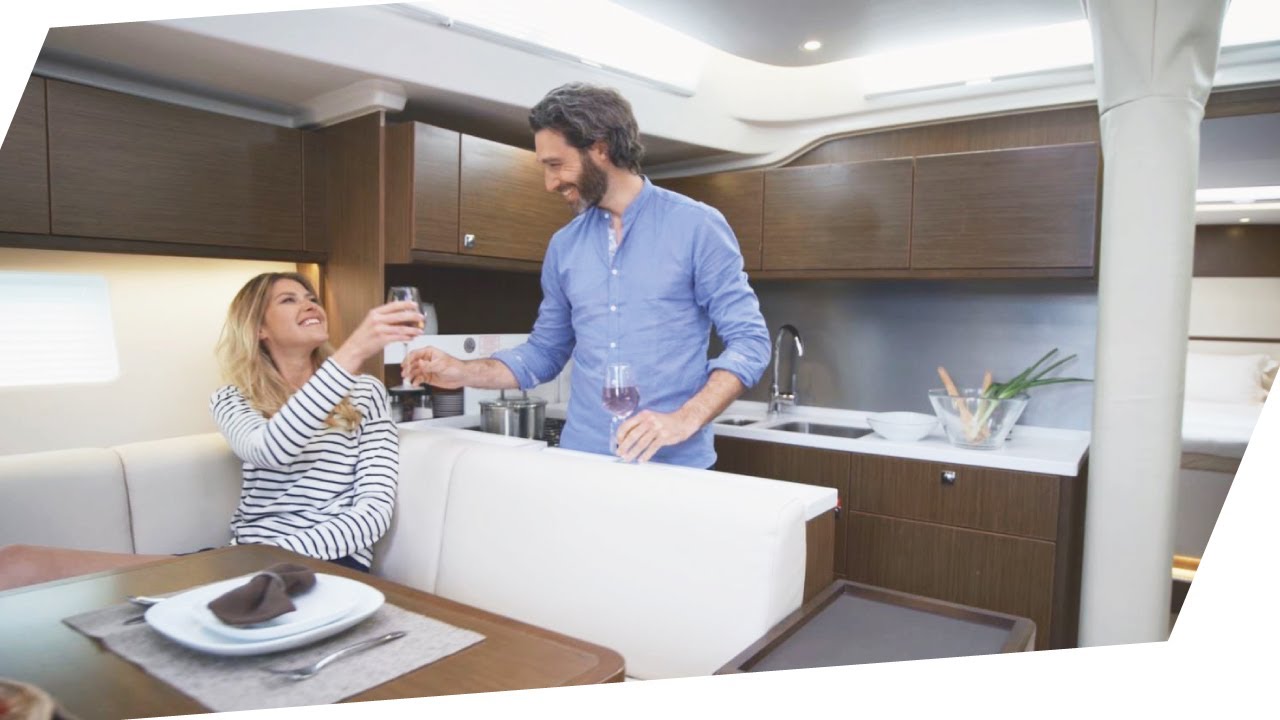
Enjoying a cooled wine after a sunny day on the water. The perfect end to a great sailing trip! Here you can find out more about our BAVARIA C57 sailing yacht: https://www.bavariayachts.com/en-uk/sailing-yachts/c57/c57/highlights/ ____________________________________________ Nach einem sonnigen Törn entspannt zurücklegen und einen gekühlten Wein genießen. Klingt für uns nach dem perfekten Segeltag! Unter dem folgenden Link könnt Ihr mehr über unsere BAVARIA C57 Segelyacht erfahren: https://www.bavariayachts.com/de-de/segelyachten/c57/c57/highlights/
0
0
0
5,161

0
0
0
0
122

Preparando para fazer o antiderrapante.
0
0
0
239

Naviguer près des caps, c’est jamais simple. Le cap Finistère est connu pour ses courants puissants et ses vagues croisées. Une dépression est en approche… on espère le passer avant que ça se gâte ! ⛵🌬️🌊 🌐 NOTRE SITE WEB https://www.sailingatypic.com ☀️ VACANCES EN VOILIER https://sailingatypic.com/pages/vacances-a-bord 👕 BOUTIQUE DE VÊTEMENTS ATYPIC https://sailingatypic.com/collections/all 🎵 ARTLIST – La musique que j’utilise pour mes vidéos Obtiens 2 mois gratuits ici : https://artlist.io/referral/709e403c-d70b-4c55-8421-a8cbb63f2718 📶 AIRALO - Connection internet Code promo 3$ de rabais : VERONI7320 https://airalo.pxf.io/c/5786229/2071037/15608 🔔 SUIVEZ-NOUS Facebook: http://www.facebook.com/SailingAtypic/ Instagram: https://www.instagram.com/sailing_atypic/?hl=fr YouTube: https://youtube.com/c/SailingAtypic Patreon: https://www.patreon.com/user?u=37205310
0
0
0
4,540
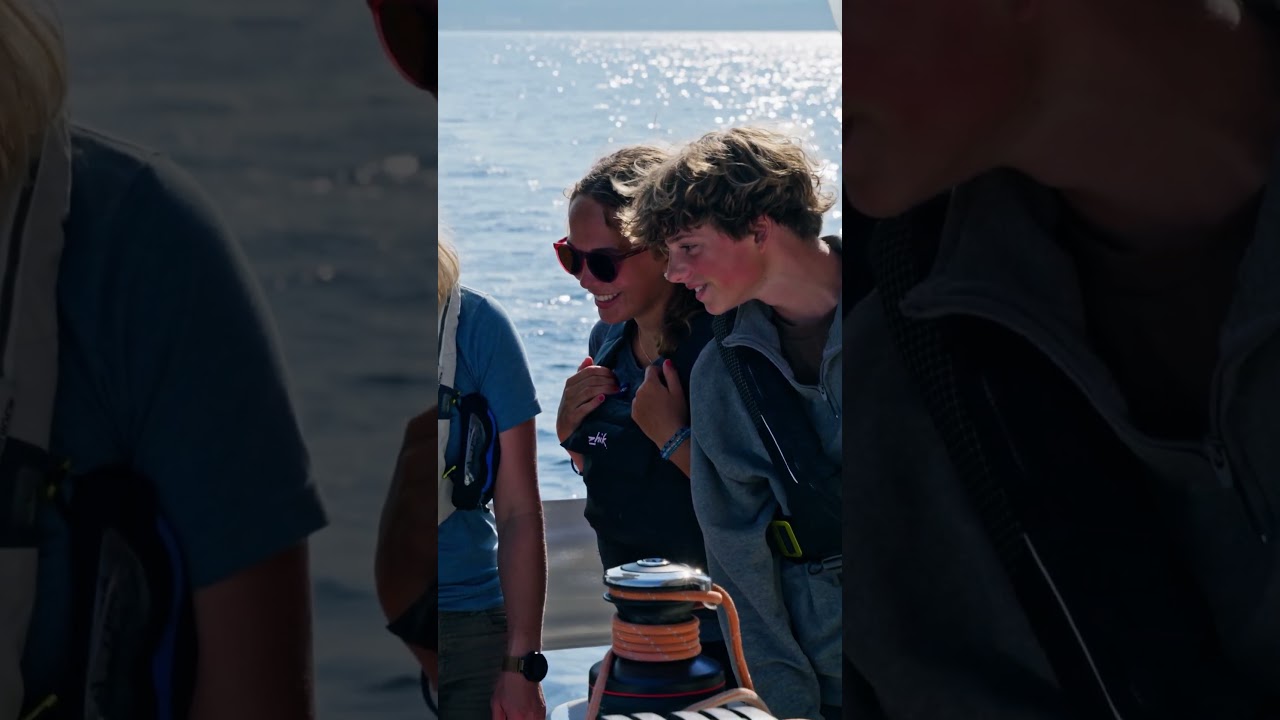
⛵ Compact, agile and fun: the Excess 11 embodies the purest spirit of Excess. Blending performance, comfort and true sailing sensations, it’s made to experience the sea differently. A catamaran for those who want the essentials… without compromise. -- ⛵ Compact, agile et fun : l’Excess 11 incarne l’esprit Excess dans sa forme la plus pure. Entre performance, confort et sensations de navigation, il vous emmène vivre la mer autrement. Un catamaran pensé pour ceux qui veulent l’essentiel… sans compromis.
0
0
0
55