Welcome aboard to the our video site for sailors. We are being constantly blasted by scammers and pirates, so registration is invite only
contact@sailorsahoy.com with "Invite". No spam, no newsletters. Just a free account
شلوار کوتاه ایجاد کردن

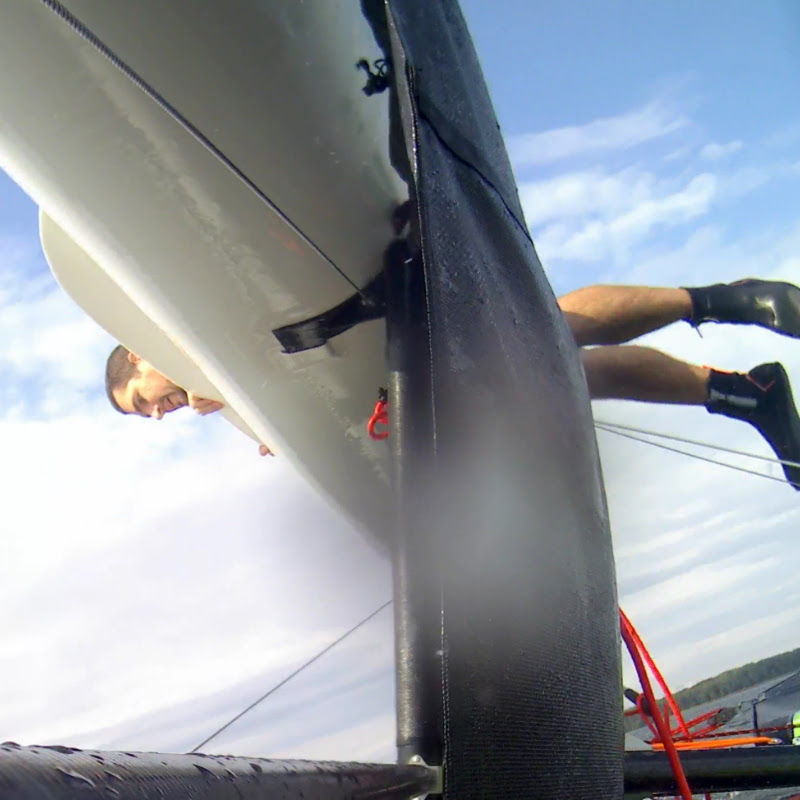
🌬️ Flaute auf dem Wasser? Kein Problem – mit den richtigen Einstellungen holst du auch aus leichtem Wind das Beste raus. Heute bei Cat-2-Go QuickTips: So trimmen Katamaran-Segler ihre Segel bei wenig Wind. #Cat2Go #Segeltipp #Katamaran #Leichtwind #Segeltrimm #AufblasbaresBoot #Flaute
0
0
0
2,578

Подпишись на канал. https://www.youtube.com/c/sailingOlle?sub_confirmation=1 1. Первый сезон подготовка яхта к сезону. Ремонты и исследование Майорки. https://youtube.com/playlist?list=PLnZ1uq4fVVLqh1AZmxdknXORtnJ-qUMyI 2. Второй сезон путешествие по Балеарским островами на яхте с детьми. https://youtube.com/playlist?list=PLnZ1uq4fVVLqUWhdpogGqsxDosO4T-Yuc 3. Зимовка в Альмиремаре короткие видео. https://youtube.com/playlist?list=PLnZ1uq4fVVLojT0rgNG1iKE3DdQkupUhh 4. Идем на Балеарские острова снова. Короткие видео. https://youtube.com/playlist?list=PLnZ1uq4fVVLrMgSKTczMX8Eadh9XT06UH В режиме реального времени за нами можно следить в инстаграм https://www.instagram.com/turbo.nata/ У нас для вас подарок календарь на 2022 год. Можете распечатать на принтере или в типографии. Сможете отмечать в календаре свое расписание и важные дела. https://drive.google.com/file/d/1tqRkacpfGrWvHBZgfN1CSngS-6ploSZr/view?usp=sharing Журнал путешествия с детьми. Скачать бесплатно. https://drive.google.com/file/d/13ZYZZXBieNSe7D_FcUdwD_C3C9rwtsaI/view?usp=sharing

0
0
0
204

0
0
0
0
4,613

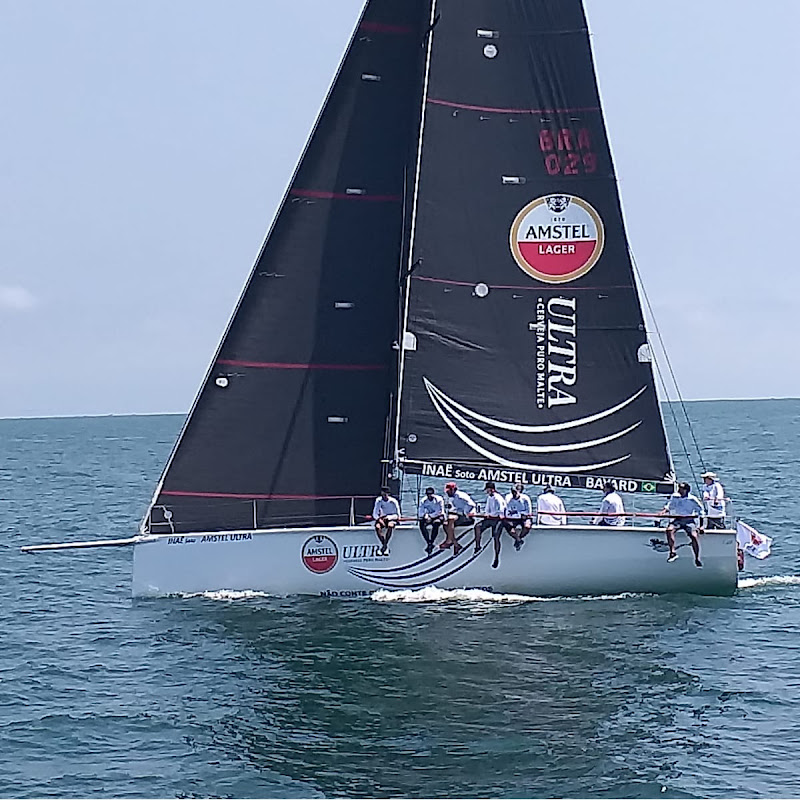
Balão S1.5
0
0
0
29

Skipper and The Famous Project CIC founder Alexia Barrier is no stranger to racing around the world, but setting out to take an all female team in the Jules Verne aboard the giant trimaran IDEC Sport that had set the course record in 2017 was a massive challenge. here's a snippet of why she did it and a trailer for the most recent of the four part series we have run on an incredible season for global records.

0
0
0
82

Domenica di pulizie e assestamenti. Siamo ancora un po’ sballottati dagli ultimi eventi e stiamo riprendendo il giro. Pensavamo di salire sul Monte Pico ma la pioggia ha risposto no. Noi allora abbiamo rilanciato con una di quelle attività con cui passerei le giornate: fare la lista della cambusa avanzata. Ahhh che bel mestiere. Si svuotano tutti i gavoni, si scrive su un foglio esattamente cosa c’è e in quali quantità, poi si rimette via tutto (ordinatamente). Bellissimo. Sono un paio di giorni che ragioniamo se fare il murales sul pontile oppure no. Alla fine oggi ho visto un buco di un vecchio murales ormai sbiadito subito di fronte alla barca. Che occasione! Insieme a @renatomorello_originale (che si è fatto PROPRIO OGGI Instagram 🔥) abbiamo creato una dima di cartone con la quale fare lo stencil di Julia. Verrà un bel lavoro. Voi, come sempre, lo vedrete insieme a noi 🫶 A domani! Cami

0
0
0
3,442