close

Welcome aboard to the our video site for sailors. We are being constantly blasted by scammers and pirates, so registration is  invite only


contact@sailorsahoy.com with "Invite". No spam, no newsletters. Just a free account

Şort oluşturmak

In diesem Video zeige ich, wie der Stopperstek gesteckt wird. Man kann den Stopperstek benutzen, wenn man sich z.B. an einer gespannten Leine festmachen will. Man kann den Stopperstek in eine Richtung auf der Leine verschieben, in die andere Richtung stoppt er auf. Anzeige | Mein Buch: https://sailnator.de/shop Blick ins Buch: https://youtu.be/M27Mr0dUQio Ausführliches Video: https://youtu.be/i1XEeJeWrm8 Anleitung auf meinem Blog: https://sailnator.de/stopperstek/

sailnator

0

0

5,926

Min fantastiska film.

extrememobilebloggin

0

0

78

0

Sailingdoodles

0

0

56,362

👇In questo video vedremo come fare la GASSA D'AMANTE ⛵ TUTORIAL Ecco come farla in pochi passaggi: 1️⃣ Fai un collo, con il corrente che passa sopra al dormiente. Così hai creato il mitico pozzo. 2️⃣ Fissa la cima ed ecco il mitologico serpente 🐍 che esce dal pozzo, fa il giro intorno all’albero 🌳 e rientra nel pozzo. 3️⃣ Tira tutte e due i capi e... voilà! Ecco la gassa d’amante! La gassa d’amante serve in molti casi: 🛥️ Per fissare una cima agli occhielli degli angoli di una vela (angoli di mura) ⚓ Per assicurare una cima alla catena dell’ancora 🌊 Per fissare oggetti che possono cadere fuori bordo ⚓ Per l’ormeggio di una barca, ecc. Tagga un amico che non è capace di fare la gassa d’amante!

giornaledellavela

0

0

20,252

Die Segelyachten und Luxury Cruiser von SUNBEAM überzeugen mit TOP-Qualität, Sicherheit, Eleganz und Komfort ??? das ganze Jahr. SUNBEAM Yachts Homepage: https://www.sunbeam-yachts.com/ SUNBEAM 46.1 Yacht: https://www.sunbeam-yachts.com/yachten/461/ im Video SUNBEAM | Segelyacht | Segeln | Segelboot | Segelschiff | Meer | Wasser | Küste | 46.1 | Enjoy | Life | Sailing | Long Distance Cruiser | Sports Luxury Cruiser | Yacht | Schöchl Werft | www.sunbeam-yachts.com -- Credits -- Video by SolidShot Film Productions https://www.solidshot.at/ YouTube Marketing by https://www.promomasters.at/

schoechlyachtbau

0

0

3,630

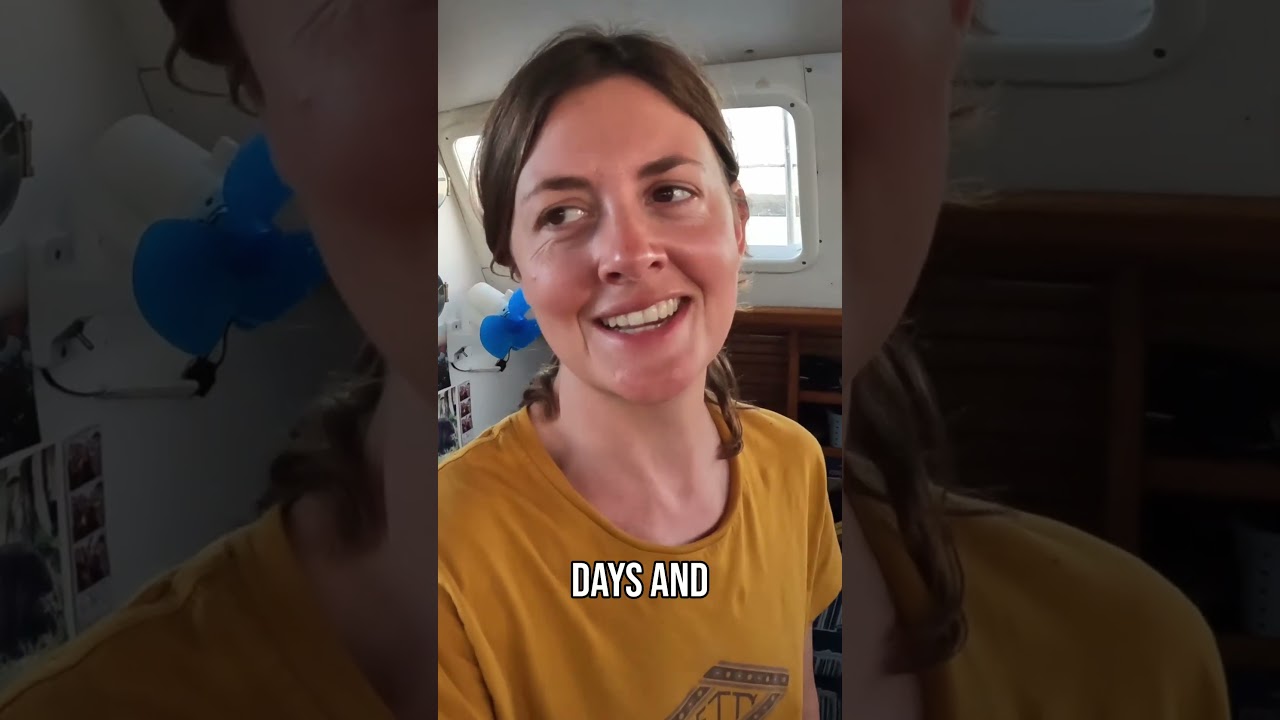
Redneck Honky Engineering: DIY Boat Fans for Hot Days on the Water Staying cool on a boat during a long trip can be tough, especially in warm weather. Imagine you're sailing toward Puerto Rico, but your boat's fans keep failing. That's the problem one boater faced, leading to a quick, no-frills fix using what was on hand. This "redneck honky engineering" approach shows how simple tweaks can keep you comfortable without fancy tools. In this post, we'll break down the setup, why it works, and tips to try your own version. The video starts with the boater testing fans mounted high on the boat. One spins wildly, then slows and dies. It's a common issue—standard fans can't handle the boat's motion or heat. Frustrated but creative, the boater rigs up a homemade solution. He attaches fans with wires and basic holders, calling it "honky customized" until reaching port. His wife chimes in, saying it looks "stupid" with dangling wires, but admits it's blowing cool air. No 3D printer or high-tech gear here—just practical ingenuity. What makes this redneck honky engineering so appealing? It's all about resourcefulness. "Redneck" often means using scrap materials for tough jobs, while "honky" adds a fun, folksy twist to the DIY spirit. On a boat, space is limited, and you can't always run to a store. This setup uses zip ties, tape, or wire to secure small fans aimed at key spots like the helm or sleeping area. The result? Steady airflow without breaking the bank. Let's dive into the steps to replicate it. First, pick your fans. Go for 12-volt USB models that run off boat batteries. They're cheap and easy to find online or at hardware stores. Mount them high to push air down, like in the video. Use sturdy brackets or even old coat hangers bent into shape. Secure wires with electrical tape to avoid snags—safety first on water. One fan might not cut it, as the boater notes. Imagine four of them: they'd create a breeze like a mini AC system. Position two for the cockpit and two for below deck. Test them in wind to ensure they don't spin out. If wires dangle, bundle them with clips. It's not pretty, but function beats form when you're sweating. Why does this matter for boaters? Heat exhaustion is real on the water. The CDC says high temps can cause dizziness or worse, especially if you're dehydrated. A reliable fan setup keeps you alert and safe. Plus, it's eco-friendly—running fans uses less power than a full AC unit, saving battery life for essentials like navigation. For those new to boating, redneck honky engineering builds confidence. You don't need engineering degrees; just problem-solving skills. Start small: fix a leaky hose with a soda bottle or reinforce a seat with duct tape. Over time, these hacks become second nature. The boater's wife might not love the look, but practicality wins. If you're heading to places like Puerto Rico, where humidity spikes, this could be your lifesaver. Expand on safety tips. Always check electrical connections to prevent shorts—water and electricity mix badly. Use marine-grade wire for durability. If upgrading later, consider solar-powered fans for off-grid trips. Brands like Caframo make rugged options, but the DIY route keeps costs under $5 per fan. Real-world examples abound. Boaters on forums like CruisersForum share similar stories: rigging shade sails from tarps or cooling bunks with ice packs. This video captures that spirit—quick, effective, and humorous. The boater's excitement shines through, turning a breakdown into a win. In conclusion, redneck honky engineering proves you can beat the heat with what you've got. Whether you're a weekend sailor or full-time cruiser, try this fan hack next time. It might look rough, but it'll keep you cool until the pros take over. Share your own DIY stories in the comments—what's your go-to boat fix?

chrisdoeswhat

0

0

436