Najnoviji video zapisi

Where did everybody go?! We're back in beautiful Warm Springs Bay on Baranof Island in Southeast Alaska, and something is very different this time. Just a few weeks ago, the docks were packed with boats and people enjoying the hot springs. Now, we've practically got the whole place to ourselves! And we can't quite figure out why everyone leaves when it's still so beautiful here. We spend nine wonderful days aboard Alaskan Gypsy, enjoying the quiet fall season, soaking in the public hot tubs overlooking the bay, hiking through the rainforest, searching for blueberries, and visiting the incredible natural hot springs beside a roaring river. We also take our little skiff exploring through a narrow, rocky passage into a sheltered bay. With the tide dropping, we have to keep an eye on the water if we want to make it back out! There's plenty of rain, a little sunshine, some beautiful scenery, and lots of laughs along the way. We love exploring Southeast Alaska outside the busy summer season, and Warm Springs Bay is one of those places that keeps drawing us back. Come along for another adventure aboard our 80-foot steel schooner, Alaskan Gypsy, as we explore the quieter side of Alaska. Thanks for watching and following our adventures! #alaskangypsylife #alaska #warmspringsbay #baranofisland #southeastalaska Chapters: 00:00 Welcome to Warm Springs Bay 01:09 Where Did Everybody Go? 03:52 Exploring the Public Hot Tubs 06:10 How the Hot Spring Tubs Work 08:03 A Morning Soak With Audrey 09:31 The Seasonal Dock at Warm Springs 11:25 Fall Weather in Southeast Alaska 13:04 Blueberries and Off-Season Adventures 14:59 Hiking the Rainforest Boardwalk 17:23 Heading to the Natural Hot Springs 18:51 Hot Springs Beside a Raging River 22:32 A Wilderness Soak and Cold Plunge 25:50 Why Does Everyone Leave? 27:36 A Rare Sunny Day in October 28:55 Exploring a Narrow Tidal Passage 30:07 Navigating Rocks and Current 33:35 A Hidden Sheltered Bay 35:32 Exploring and Looking for Berries 38:09 The Blueberry Discovery 39:33 Racing the Falling Tide 41:43 Leaving Warm Springs Bay 42:58 Nine Wonderful Days in Paradise
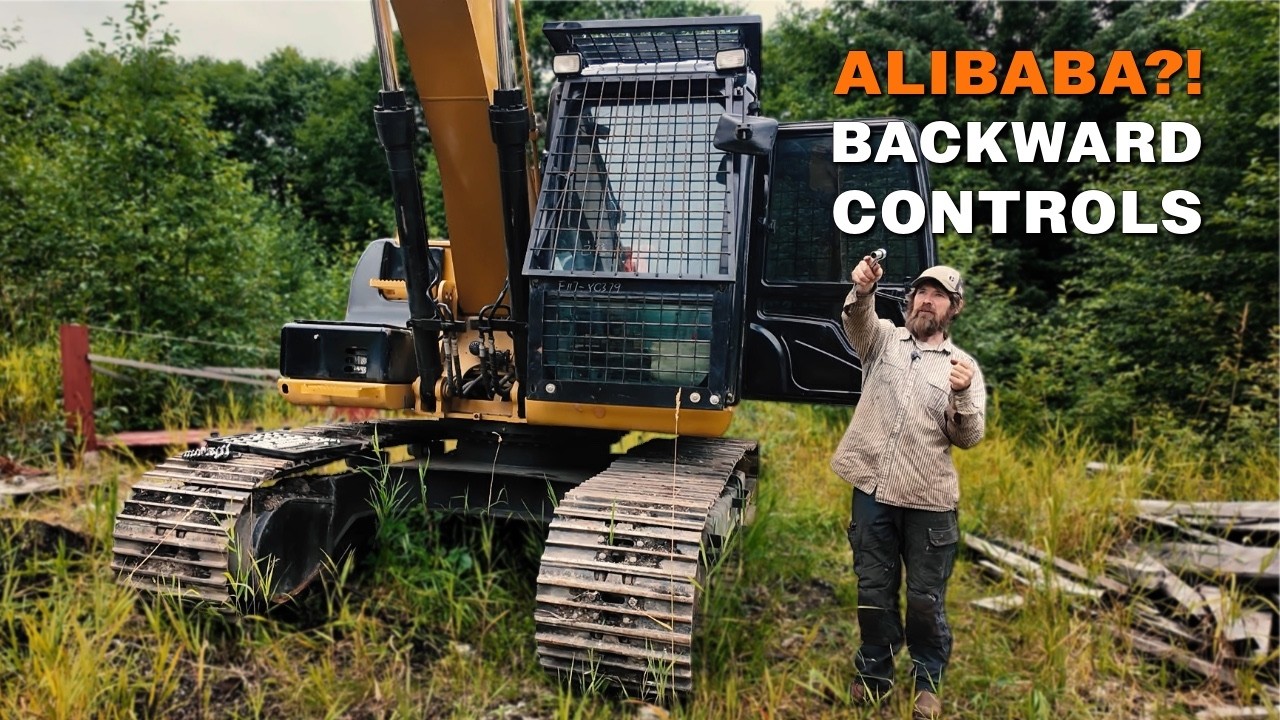
What happens when a CAT excavator arrives in remote Alaska with controls that make absolutely no sense? We're in Corner Bay near Tenakee Springs, Alaska, helping Gordon Chew of Tenakee Logging Company get his 2023 CAT 315 excavator working properly. This machine was originally built for the Chinese market and shipped to the United States in a container before eventually making its way into the wilderness of Southeast Alaska. But there's a problem! The joystick controls are completely mixed up. Instead of swinging the excavator left and right, the joystick operates the boom reach. And that's not exactly something you want to deal with when operating heavy equipment! After replacing a faulty alternator, Scott dives into a maze of hydraulic pilot lines, valves, and mismatched connections to figure out what's going on. And in remote Alaska, that's sometimes what it takes. With mechanics, parts, and supplies potentially a long boat ride or flight away, you've got to be willing to troubleshoot and figure things out. Will swapping the hydraulic connections actually solve the problem, or create a whole new one? Come along as Scott tackles another unusual repair project in the Alaska wilderness, with a little trial and error, plenty of head scratching, and some classic Scott humor along the way. We're Audrey and Scott, living aboard our 80-foot steel schooner, Alaskan Gypsy, and exploring the remote communities, projects, and adventures of Southeast Alaska. Thanks for following along! #alaska #alaskangypsylife #catexcavator #heavyequipment #tenakeesprings Chapters:

Moving firewood in remote Alaska isn't always as simple as loading up a truck! We were back in Port Protection on Prince of Wales Island, Alaska last month, helping move some large logs from the beach in front of Liz's house in Back Bay over to Veronica's beach, where they'll be used for firewood. The logs were the product of Scott's hazard tree removal. Sounds simple...... Getting those heavy logs off the beach proves to be quite a challenge! Between shallow water, rocks, stubborn logs, and maneuvering the boat with towlines, it takes a little patience and plenty of teamwork. But that's life in remote Alaska. You work with the resources available, figure things out as you go, and help your neighbors when you can. Come along as we wrestle these logs off Liz's beach and deliver them to Veronica's for firewood! Thanks for watching and following our adventures aboard Alaskan Gypsy, our 80-foot steel schooner, as we explore Southeast Alaska and share the people, places, and projects that make life here so interesting. #alaska #portprotection #alaskangypsylife #princeofwalesisland #remoteliving

Growing food in remote Alaska takes some creativity! We're in Tenakee Springs, Alaska, where a group of dedicated locals is working to improve food security by turning resources already available in Southeast Alaska into nutrient-rich soil for their community garden. And one of those resources is SALMON! We started with a tote of salmon heads and spines from a fish processing plant in Juneau, saving the delicious collars for ourselves, of course! Then we headed to a nearby river to harvest hundreds of pink salmon nearing the end of their natural life cycle. By combining salmon with decomposing wood waste from local logging operations, the community is experimenting with a composting system that could help build fertile soil for growing food. Scott and Alaskan Gypsy get put to work too, helping with the salmon harvest, hauling a barge, and navigating the tides and challenges that come with getting things done in remote Alaska. From the community members sharing their farming experience to the hands-on work of building the compost piles, this project is all about resourcefulness, collaboration, and finding ways to become more self-sufficient. The first compost pile didn't heat up quite as quickly as everyone hoped, but that's part of the learning process. The materials will continue breaking down over the winter, and we're looking forward to checking back next spring to see how things are progressing! Thanks for coming along and supporting the people and communities that make Southeast Alaska such an incredible place to live. Subscribe to follow our adventures aboard Alaskan Gypsy, our 80-foot steel schooner, as we explore remote Alaska and share the people, places, and projects we encounter along the way. #alaska #alaskangypsylife #tenakeesprings #foodsecurity #homesteading Chapters: 00:00 A Different Kind of Alaska Farming 01:05 Turning Salmon Scraps Into Something Valuable 02:27 Supporting Food Security in Remote Alaska 04:46 Meet the Community Garden Team 07:16 Building Soil With Salmon 10:43 Building the First Compost Pile 12:28 Adding the Salmon 16:25 Learning as We Go 18:32 Alaskan Gypsy Joins the Salmon Harvest 20:34 Dipnetting for Dirt! 23:36 The Salmon Life Cycle in Alaska 25:33 Using the Tides to Move the Barge 28:24 Towing Challenges With Alaskan Gypsy 31:03 Checking on the Compost 35:41 What Did We Learn? 37:59 Building a Bigger Compost Pile

Just minutes after getting out of the Gulf of Alaska, a rare calm day in mid-July gave us an opportunity we couldn't pass up. From Alaskan Gypsy, we spotted a rugged stretch of Southeast Alaska coastline that normally gets hammered by wind, current and ocean swell. With unusually calm conditions, we grabbed the paddleboards and headed ashore to see what we could find. Getting Audrey onto the beach turned out to be an adventure of its own. 😂 Once ashore, we found rounded granite, huge quartz veins, tide pools, bear and otter tracks, strange rock formations, and more beautiful rocks than Audrey could reasonably carry back to the boat. Then we discovered something neither of us expected: parts of the shoreline were literally carpeted with thousands of tiny snails. Sometimes living aboard Gypsy means the best adventures aren't planned at all. You see an opportunity, get off the boat, and go find out what's there. Come explore a wild piece of Southeast Alaska coastline with us. #alaska #southeastalaska #alaskangypsylife #beachcombing #liveaboarddiving Chapters: 00:00 Paddleboarding to a Wild Alaska Beach 00:49 Exploring the Rugged Southeast Alaska Coast 01:16 Audrey Attempts to Reach the Beach 😂 03:00 Beachcombing in Remote Alaska 04:27 The Rock Collecting Begins 05:55 A Rare Calm Day on the Open Coast 07:45 Adding Ballast to Gypsy 😂 08:35 Bear & Otter Tracks 09:49 Exploring Tide Pools & Sea Caves 11:32 A Massive Quartz Vein 11:51 Thousands of Snails! 13:30 Audrey’s Pockets Are Getting Heavy 14:35 An Incredible View of Alaskan Gypsy 15:18 Getting Back to the Paddleboards

After eight months living aboard Alaskan Gypsy, we’ve learned just how much energy it takes to keep our life aboard an 80-foot steel sailboat humming along every day. Refrigeration, freezers, Starlink, lights, electronics and all the ordinary things that make a boat a home need power. Until now, that has meant a lot of generator time, fuel cans and constant power management. Scott is ready to change that. Disclosure: Renogy - an established name in off-grid energy solutions - provided most all the products used in this project at no cost. We are not paid for our opinions or conclusions. Here is their website - https://www.renogy.com/ We’re installing six 200-watt solar panels, lithium batteries, a 3000-watt inverter, charge controller and a new charging system aboard Gypsy, with the goal of becoming more energy independent while living remotely in Southeast Alaska. There’s just one problem: Scott has never built a system like this before. And naturally, he can’t wait long enough to properly install it before he starts hooking things together. Within a day, solar panels are lying loose on the wheelhouse roof, the old wind-generator wiring has been repurposed, the Alaska rain is coming down, and somehow we’re already charging our existing battery bank from the sun. Welcome to another Alaskan Gypsy boat project. #solar #sailboat #liveaboard #alaska #alaskangypsylife


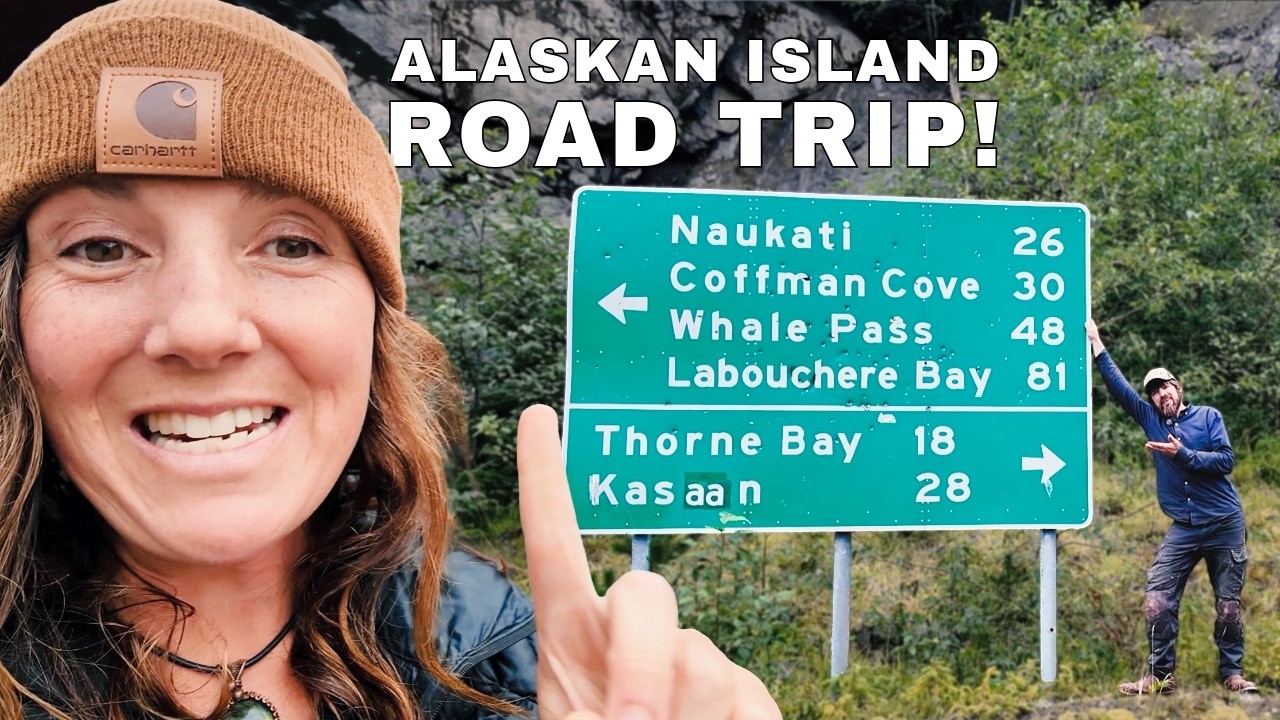
Living aboard an 80-foot sailboat in remote Southeast Alaska means even a road trip starts with a skiff ride. We left Alaskan Gypsy anchored in Port Protection and joined our friend Liz for our first drive across Prince of Wales Island, home to what we’re told is the longest road in Southeast Alaska. The plan sounded simple: drive to Thorne Bay, get some supplies, look at a small barge for a friend, and make it back to Gypsy that evening. Then came the flat tire. Along the way we encountered deer, black bears, miles of gravel road, some eye-opening remote Alaska grocery prices, a questionable amount of cheesecake, and plenty of ridiculousness packed into a tiny car. But the strangest part happened after dark. We returned to the shoreline at low tide only to discover the paddleboard we had left there, our only easy way of reaching the skiff tied offshore, completely flat with what appeared to be a deliberate puncture. Just another straightforward day in the Alaskan Gypsy Life. Come along as we explore Prince of Wales Island by road for the first time and discover that sometimes getting off the boat creates an entirely different kind of adventure. #alaska #princeofwalesisland #remotealaska #alaskangypsylife #roadtrip Chapters: 00:00 Leaving Gypsy for a Road Trip 00:29 Every Road Trip Starts With a Skiff Ride 03:00 Getting Ashore in Port Protection 04:38 Road Tripping With Liz 05:18 Our First Flat Tire 08:03 Back on the Road 08:18 The Washouts Get Interesting 09:31 We Made It to Thorne Bay 10:18 Remote Alaska Grocery Prices 11:45 Scott Found Us a New Boat?! 12:29 Inspecting a Barge for a Friend 14:50 Scott Discovers Highways 15:46 The Longest Road in Southeast Alaska 18:03 81 Miles Back to Gypsy 19:04 Apparently Audrey Is Famous 😂 22:18 An Incredible Alaska Sunset 23:00 Things Get Weird in the Car 27:23 Will the Tire Make It Back? 28:48 Back at the Hangover 29:55 We Might Have a Problem 30:40 Something Happened to Our Paddleboard 31:49 We’ve Got a Situation 32:12 Was the Paddleboard Slashed? 32:51 Getting Back to Gypsy in the Dark 33:19 We Made It Home 34:11 But There’s One More Story… 35:41 Our Only Way Back to the Skiff Was Flat 36:26 This Wasn’t a Bear 37:39 Who Would Do This? 40:26 This Could Have Been Dangerous 42:19 The End of a Very Strange Adventure
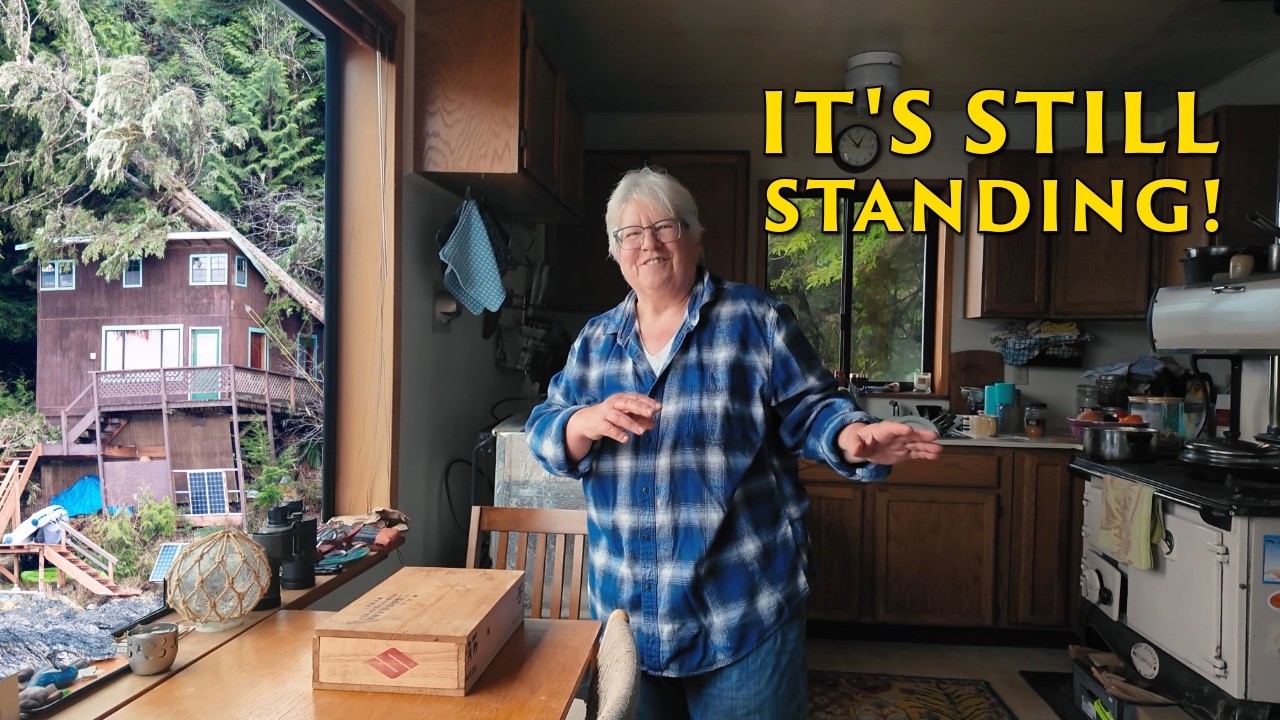
Last winter in Port Protection, Alaska, we stumbled into a project that became one of the biggest stories of our first year aboard Alaskan Gypsy. Trees had crashed onto Liz’s remote waterfront house, a landslide had shifted the foundation, and the house was beginning to move downhill. Liz wasn’t even there. She was watching from Juneau while Scott worked through the Southeast Alaska winter trying to save a home we would eventually learn held generations of her family history. After months of tree removal, foundation work and repairs, we left Port Protection without ever meeting Liz in person. Now we’re back. For the first time, Audrey sits down with Liz inside the house to hear the story we never knew: how her mother came to Port Protection, why she built this house beside the ocean, the family history held within its walls, what it was like watching strangers on YouTube try to save it, and what it meant to come home this summer and find it still standing. And while we’re talking, Scott is outside doing what Scott does… finding a few more things to fix. Thank you to everyone who followed this story from the beginning. This house, Liz, and Port Protection have become an unexpected and very special part of the Alaskan Gypsy Life. #portprotection #alaska #remotealaska #alaskangypsylife #offgridalaska Chapters: 00:00 Returning to the House We Helped Save 01:38 Back at Liz’s House 03:34 “I Can’t Believe It’s Still Standing” 05:14 They Thought the House Would Tip Over 09:45 How We Found Liz’s House 10:44 The Story Behind the House 18:00 Life in Port Protection 27:00 A Family Legacy in Alaska 36:00 What Happened Last Winter 46:25 Seeing Alaskan Gypsy for the First Time 47:40 When the House Was Falling Down 49:09 Looking Back at the Rescue 51:09 The Family Behind This House 1:00:00 Life in Remote Alaska 1:12:55 Scott Fixed One Last Thing 1:13:26 “I Can Make Toast Again!” 1:14:23 What This Project Meant to Us 1:15:58 Liz Looks Back at the Work 1:18:05 Closing a Very Special Chapter 1:18:58 One More Look Around the House
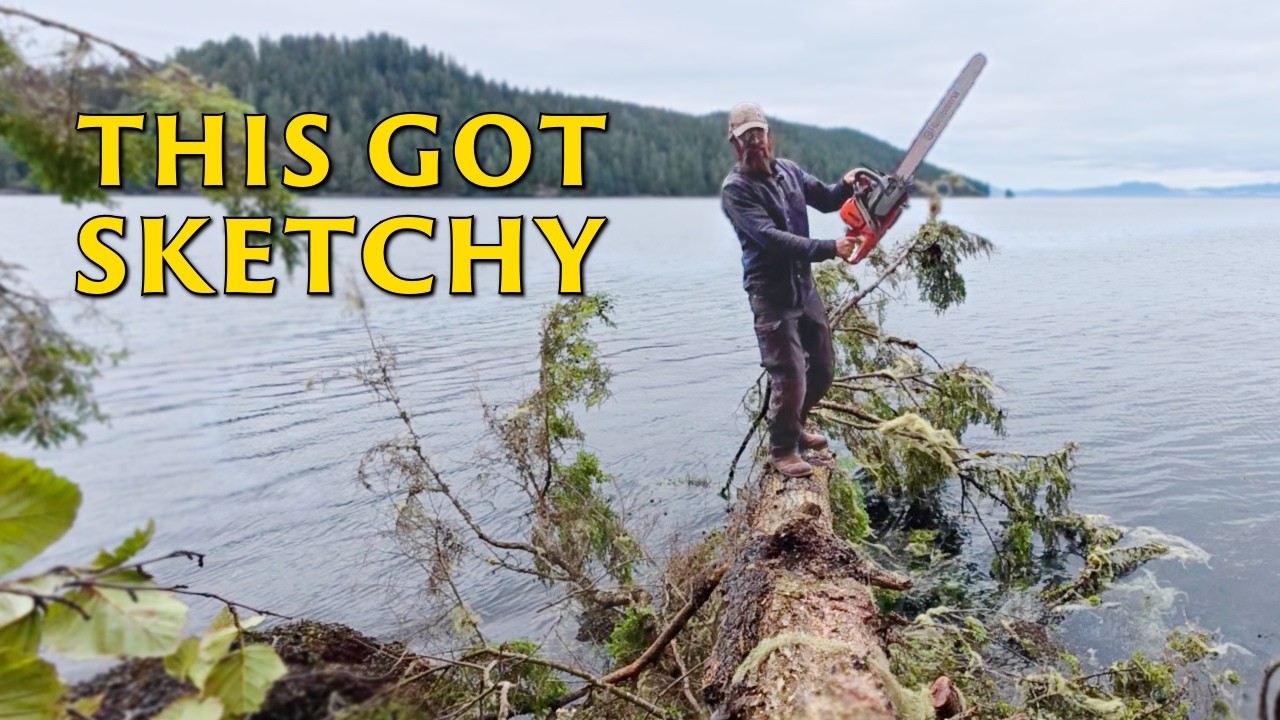
We’re back in Port Protection, Alaska, at a place many of you will recognize. Last winter, we spent months helping our friend Liz after storms, fallen trees and serious foundation problems threatened her remote beachside home. It became one of the biggest stories of our winter in Port Protection. Now it’s fall, Liz has enjoyed another summer in her little piece of paradise, and Alaskan Gypsy is back in town. There’s still work to do. Three large trees near the cabin have begun leaning toward the shoreline, and Liz remembers when they stood straight. Rather than wait to see what Southeast Alaska’s winter storms, heavy snow and wind might do, Scott is taking them down while we’re here to help. Of course, nothing is quite straightforward at a remote cabin on the edge of the ocean. These trees are going directly into the tide line, which means getting them down is only the beginning. Next up: we’ll be sitting down with Liz inside the cabin to hear her side of the story and look back at everything that has happened since we first arrived in Port Protection. And beach logging. We’ll attempt to recover the logs from the shoreline and move them by skiff to a neighbor who can use them for firewood. Thanks for coming back with us. #alaska #portprotection #alaskalife #remotealaska #alaskangypsylife Chapters: 00:00 Back to Liz’s Cabin 01:29 The Cabin Today 03:41 After Everything That Happened Last Winter 05:18 Three More Trees Have to Come Down 06:02 The First Tricky Tree 08:23 Almost Losing the Chainsaw 10:21 Setting Up the First Drop 11:31 Tree #1 Comes Down 13:27 Logging on the Alaska Coast 15:22 Now It’s Hanging Over the Ocean 19:01 Scott Draws the Line 21:59 Two Trees Left 23:06 Almost Losing the Camera 25:05 Tree #2 26:52 This One Is Complicated 28:42 Not Quite According to Plan 30:17 One Last Tree 31:08 The Final Drop 36:29 The Trees Are Down 38:35 What’s Next at Liz’s Cabin
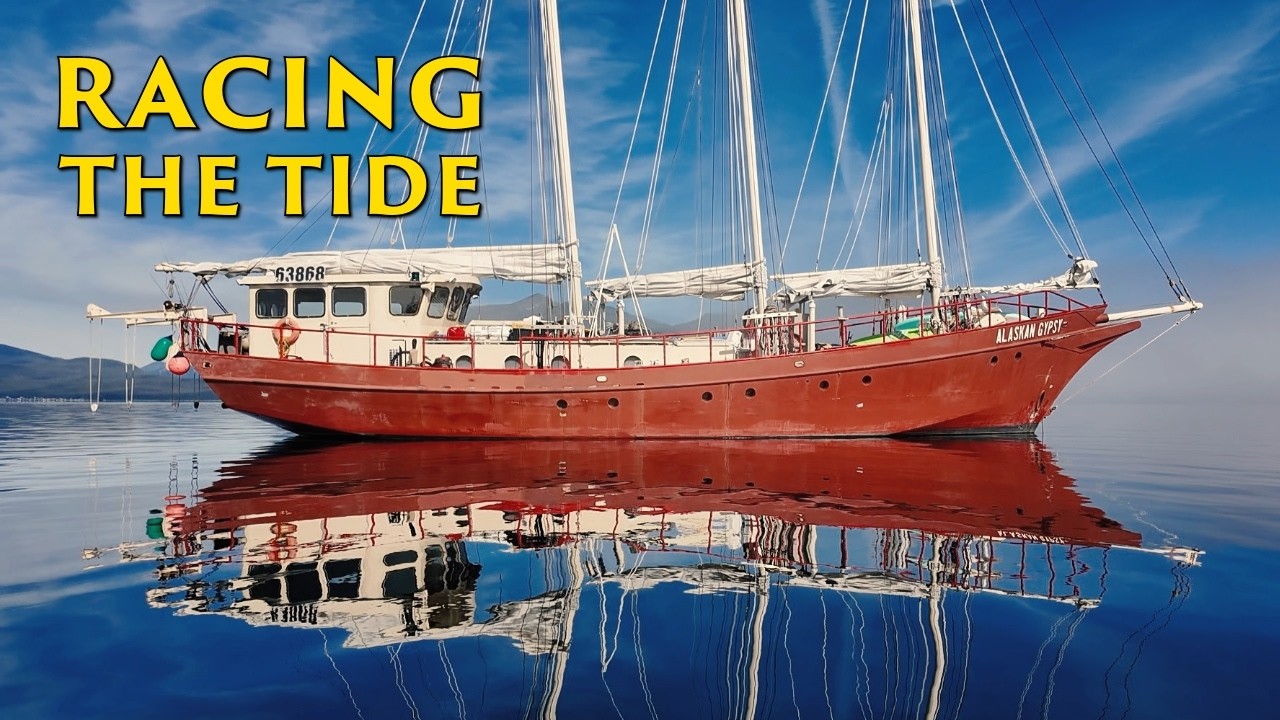
Painting an 80-foot steel sailboat is a big job. Doing it while she's still floating in Southeast Alaska adds weather, tides and a whole lot of timing to the equation. With fall closing in and good painting days becoming harder to find, Scott finally gets a weather window to start bringing Alaskan Gypsy's faded red hull back to life. What starts as one manageable section turns into a race to prep and paint an entire side before the tide drops too far to stay at the dock. Alaskan Gypsy is an 80-foot, triple-masted steel motor sailer that we live aboard year-round in Alaska. After extensive shipyard work saved her badly corroded hull, we're continuing the long process of restoring, maintaining and living aboard this unique old vessel. In this video: steel boat maintenance, sanding and surface prep, two-part polyurethane paint, DIY boat restoration, working with Alaska weather, and one very close race against the tide. Thanks for following along with the Alaskan Gypsy Life. #alaska #sailboat #boatrestoration #steelboat #liveaboardlife Chapters: 00:00 Racing Alaska Weather 02:07 Prepping the 80-Foot Steel Hull 06:30 Moving Gypsy to the Dock 10:58 What We Found Under the Paint 16:07 Final Prep Before Paint 19:24 Keeping Gypsy’s Original Colors 25:33 The First Fresh Paint Goes On 32:08 From Nearly Sinking to Living Aboard 38:09 Bringing the Old Red Hull Back to Life 43:29 Scott’s Other Steel Schooner 49:09 A Major Transformation 54:29 Going for the Whole Side 1:00:14 Racing the Tide 1:02:29 We’re Running Out of Water 1:03:22 Pulling Away With Wet Paint 1:06:19 Painting While Adrift 1:07:27 Alaska Weather Changes the Plan 1:08:25 Finishing the Other Side 1:09:48 The Final Transformation
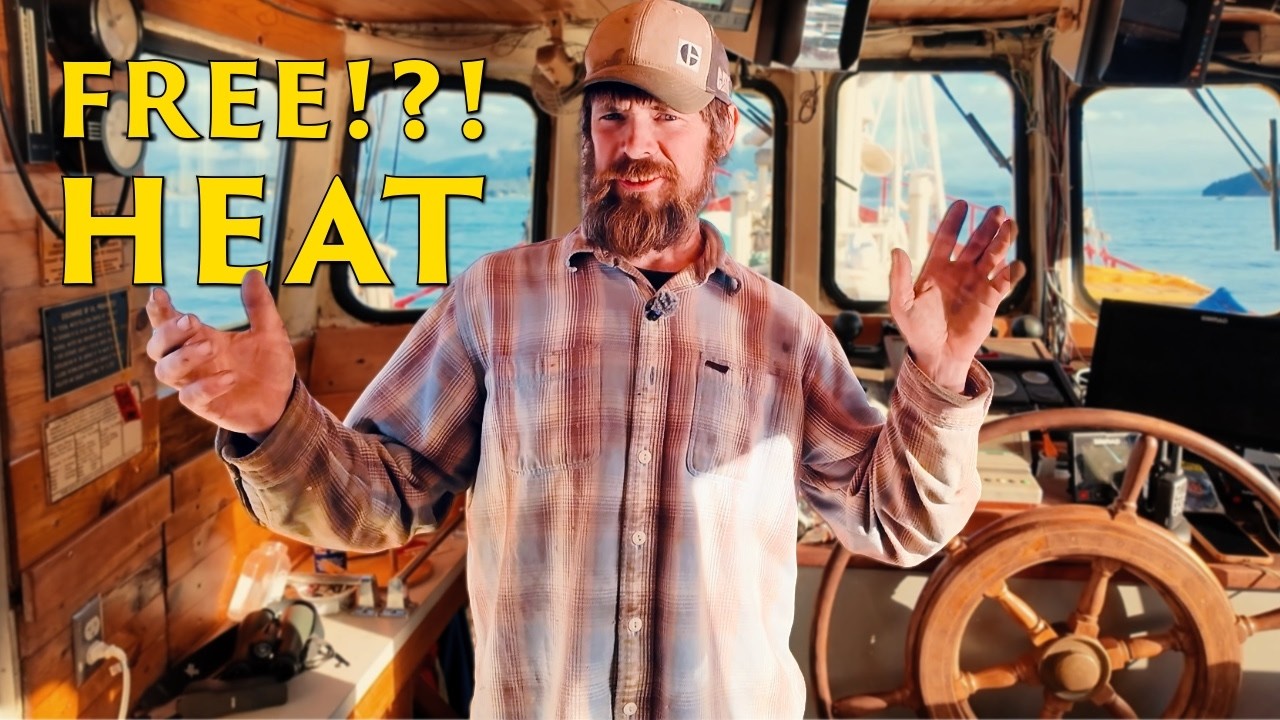
If you’ve been wanting to see more of the INSIDE of Alaskan Gypsy, this one’s for you! Nearly this entire video was filmed aboard Gypsy as Scott works his way through this project, from our living spaces into the workshop and some of the tight spaces where the systems that keep our 80-foot schooner running are tucked away. EDITOR’S NOTE: Filming in our onboard workshop and some of these tight spaces was tricky, so please forgive a few camera shakes along the way! We decided showing the real process was worth it. What if we could take salvaged parts, capture waste heat that was literally being pumped overboard, and turn it into comfort aboard our home? Every time Alaskan Gypsy’s main engine runs, it produces an enormous amount of waste heat. Until now, much of that heat has simply been carried away and pumped overboard, even while we were trying to keep our steel sailboat warm through an Alaska winter. Scott realized there had to be a better way to put some of that energy to work. Gypsy already has an extensive hydronic heating system running throughout the boat, with roughly 300 feet of plumbing and multiple registers. What she didn’t have was a way to safely transfer heat from the main engine into that system. So Scott set out to change that using a salvaged heat exchanger given to us by our friend Dave in Wrangell. A new one would cost more than $1,000, but there was one little catch: we didn’t actually know if this one worked. The idea was simple: salvage something useful, capture heat that was otherwise being wasted, and turn it into greater comfort aboard Gypsy. The process was anything but simple. What follows is the real process of figuring it out: making new gaskets, pressure testing, finding leaks, soldering, finding more leaks, taking the heat exchanger apart, cleaning years of buildup out of it, rebuilding it, learning from a few mistakes, testing it again and eventually installing it deep inside the boat. This isn’t simply a heat exchanger repair. It’s a look at how we’re continuing to adapt this old steel schooner into a home that works better for the way we actually live. Salvaged parts. Waste heat. A whole lot of troubleshooting. And, eventually... HEAT! 🔥 For us, that means something pretty significant. Instead of watching usable heat disappear overboard while trying to keep Gypsy warm, we now have another way to capture energy we’re already producing and put it toward making life aboard more comfortable. That feels like a pretty good win heading toward another winter in Alaska. Thanks for crawling around inside Gypsy with us! Scott & Audrey S/V Alaskan Gypsy #alaska #liveaboard #sailingalaska Chapters: 00:00 Capturing Waste Heat Aboard Our Sailboat 01:34 Starting With a Salvaged Heat Exchanger 03:32 The First Problem 09:39 Turning Wasted Heat Into Comfort 13:49 The First Pressure Test 14:59 We Found a Leak 19:14 Trying to Save the Heat Exchanger 29:15 Pressure Test #2 37:58 Why Does It KEEP Leaking? 40:57 Taking the Heat Exchanger Apart 42:41 We Found the Real Problem 46:06 Rebuilding the Salvaged Heat Exchanger 52:27 Will the Solder Finally Hold? 1:03:03 A 60% Chance This Works 1:04:24 Why a Failure Could Be Serious 1:05:51 Scott Realizes His Mistake 1:10:51 A Proper Pressure Test 1:18:48 Is It Finally Holding? 1:21:13 Installing It Inside Alaskan Gypsy 1:23:26 Day 3... Or Maybe Day 4 1:27:53 Cutting Into Gypsy’s Hydronic System 1:30:34 Connecting the Heat Exchanger 1:44:10 The Installation Is Finally Finished 1:45:05 The First Real Test 1:45:36 WE HAVE HEAT! 1:47:30 Heating the Entire Boat From the Engine 1:49:21 Capturing Heat We Used to Waste

One year ago, we started living aboard Alaskan Gypsy full time in Alaska. At almost exactly the same time, we started sharing that life here on YouTube. We had no idea what either one would become. In our first year aboard our 80-foot steel schooner, we've worked to bring Gypsy back to life, spent an Alaska winter living aboard, found work in remote communities, tackled unusual rescue and repair projects, crossed the Gulf of Alaska, explored forgotten places and met some incredible people along the way. And somehow, we made 155 videos while doing it. For our one-year anniversary, we're looking back at 10 videos that defined our first year. These aren't necessarily our 10 biggest videos. They're the ones that changed something for us, surprised us, opened a new door or helped us understand what we want The Alaskan Gypsy Life to become. We go back to our first time aboard Gypsy and the months spent working on her in the Wrangell shipyard. Then Port Protection changed everything. We began figuring out how living and working from the boat could actually become a sustainable life, and some of the projects we stumbled into became stories we never could have planned. From a remote cabin rescue and a broken excavator to Alaska treasure hunting, crossing the Gulf of Alaska and meeting Nikki, who has lived aboard alone in Alaska for more than four decades, each of these videos represents a piece of what this life has become. Looking back, maybe that's the biggest thing we've discovered: we're not living our lives for YouTube. We're living this strange, beautiful Alaskan life and sharing the stories we find along the way. Now we're heading into Year Two with more remote Alaska, more work and problem solving, more exploring, more life aboard Gypsy and more stories about the interesting people we meet along the way. If you've been with us this year, what was your favorite video? And what would you like to see more of in Year Two? Thanks for being part of our first year. Scott & Audrey S/V Alaskan Gypsy Chapters: 00:00 One Year Living Aboard in Alaska 01:41 Our First Time Aboard Alaskan Gypsy 08:35 The Wrangell Shipyard 15:59 Finding Work in Port Protection 21:36 Life in Port Protection, Alaska 23:10 Remote Rescue in Port Protection 28:17 A Day in Our Life in Port Protection 29:23 Can This Excavator Be Saved? 34:34 Alaska Treasure Hunting & Boat Graveyard 38:41 Crossing the Gulf of Alaska 44:59 Nikki: 44 Years Living Aboard 49:20 What This First Year Has Meant 53:13 Where the Alaskan Gypsy Life Goes Next 1:00:14 More Stories From the People We Meet 1:01:30 What Do You Want to See in Year Two?

Getting building materials to a remote Alaska job site isn't always as simple as loading up a truck. While we were in Juneau aboard our 80-foot steel schooner, Alaskan Gypsy, our friends at Second Growth Homes needed a small load of plywood and tongue-and-groove hauled out for an A-frame cabin project in Southeast Alaska. So Gypsy became the delivery truck. First, Scott had to figure out how to get the lumber out of a covered U-Haul van at Juneau's freight dock without a forklift, using a crane he'd never operated before. Then we had to get everything aboard Gypsy, balance the load, beat the falling tide and get underway. From Juneau, we carried the materials out of the city and eventually transferred them from Gypsy onto a small barge that could reach the remote cabin site. It's not a huge load of freight, but it's a good glimpse into the logistics of building and working in remote Southeast Alaska, where boats, barges, tides and a little improvisation are often simply part of getting the job done. As Scott puts it in the video, it's friends helping friends, the Alaskan way. Thanks to Sterling, Elizabeth and Second Growth Homes for another adventure. Scott & Audrey S/V Alaskan Gypsy #alaska #remotealaska #sailingalaska Chapters: 00:00 A Delivery for Alaskan Gypsy 00:35 Getting Building Materials Aboard 01:42 No Forklift... Now What? 05:02 Loading the Lumber 09:23 Racing the Tide in Juneau 12:06 Finally Leaving the Freight Dock 14:48 Leaving Alaska's Capital Behind 16:01 From the City to the Wilderness 16:44 Transferring the Load to a Barge 18:22 Building in Remote Alaska
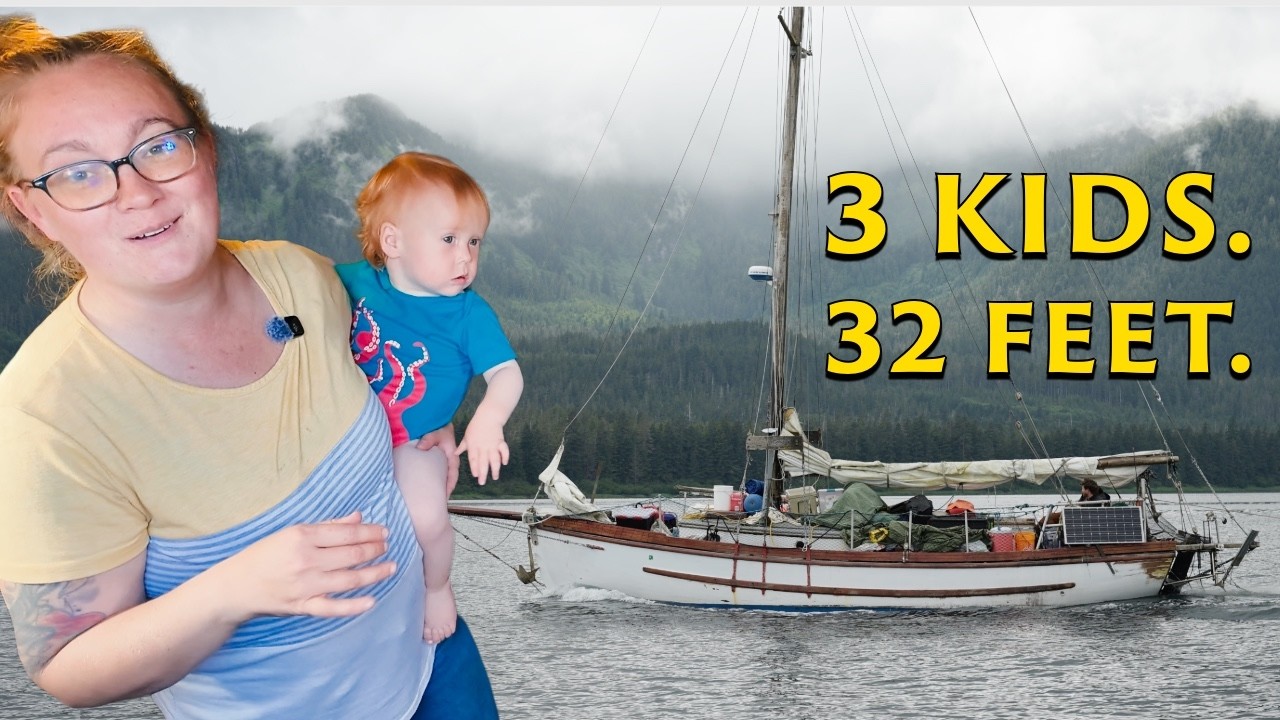
We live a pretty unconventional life aboard an 80-foot schooner in Alaska, and we don’t meet many other families living anything quite like we do. Then we met Elizabeth, Sterling and their three young children. Their home is Sage, a 32-foot sailboat that carries their family through Southeast Alaska as they move between remote building projects, fishing grounds, small communities and the everyday realities of raising kids aboard. Elizabeth grew up around commercial fishing but struggled with severe anxiety on boats when she was younger. She never imagined that one day she would be raising three children aboard one. Now Sage has carried every one of their babies, taken their family through beautiful sailing and difficult weather, and become part of a life she says she can hardly imagine living without. We met their family while our boats were anchored together in Southeast Alaska, and something clicked. We worked together, fished together, cruised together, and watched our kids move happily back and forth between Sage and the Alaskan Gypsy. As another mom living an unconventional life aboard in Alaska, meeting Elizabeth felt surprisingly significant to me. In this video, we get a glimpse into their real life: hauling anchor by hand, fishing with the kids, traveling to remote job sites, making laundry and food and heat work in a very small space, and navigating the beautiful chaos of raising three children on a boat. And after spending weeks around their family, I finally step aboard Sage for the very first time to see how five people actually live in 32 feet. This isn’t really a boat tour. It’s a story about family, resourcefulness, motherhood, friendship, and finding someone who understands the unusual life you’ve chosen. Thanks to Elizabeth, Sterling and their family for letting us share a little piece of their world. Scott & Audrey S/V Alaskan Gypsy Chapters: 00:00 Raising 3 Kids on a 32-Foot Sailboat 01:34 Pulling Anchor by Hand 03:46 How Elizabeth Ended Up Living Aboard 06:36 Fishing & Feeding a Family in Alaska 12:01 Bringing the Kids to a Remote Job Site 18:00 A Few Weeks Later… Juneau 20:00 My First Time Aboard Sage 24:00 How 5 People Live in 32 Feet 31:00 Was This Ever the Dream? 36:36 How Our Two Boat Families Met 42:00 What Comes Next for Their Family 59:00 The Reality of Remote Boat Life 1:03:50 Boat Work, Motherhood & Keeping Kids Alive 1:05:09 Finding Connection in an Unusual Life
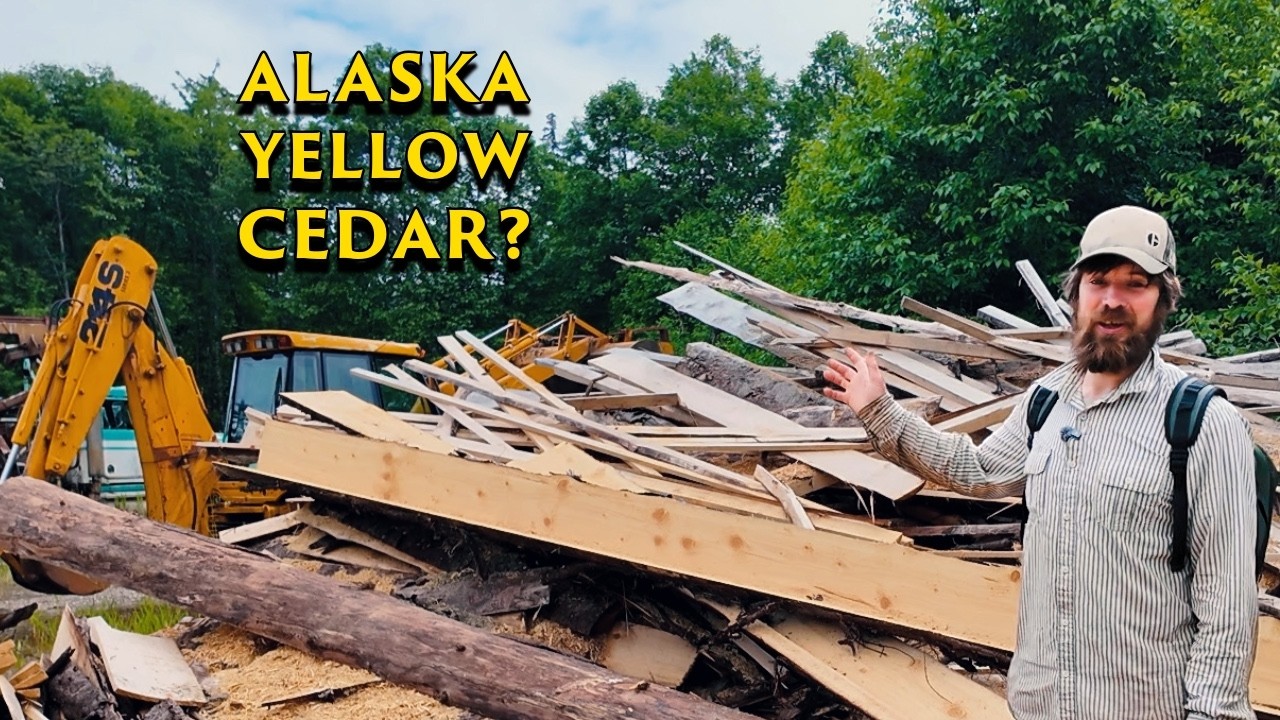
Living aboard an old steel schooner means there is always something to build, change or figure out. This time, we needed more storage aboard the Alaskan Gypsy, so Scott headed ashore to his friends sawmill in Southeast, Alaska to see what he could find. What started as a hunt through piles of leftover lumber turned into beautiful old-growth Alaska yellow cedar, including pieces that otherwise may have ended up in the burn pile. Back aboard the Gypsy, Scott puts it to work building simple shelves while we continue figuring out what the eventual interior of this boat will become. One of the things we love most about living and traveling through Southeast Alaska is learning to work with what’s around us. Local materials, local people, old skills, unexpected opportunities, and projects that take shape as we go. These shelves may be temporary, but they also gave us a chance to see what weathered Alaska yellow cedar could look like throughout the Gypsy someday. Thanks for coming along as we continue making this old working boat our home, one project at a time. Scott & Audrey S/V Alaskan Gypsy Chapters: 0:00 A New Project Aboard the Gypsy 1:35 Heading to the Tenakee Sawmill 2:13 Searching the Lumber Piles 4:05 Finding Alaska Yellow Cedar 6:38 Bringing the Wood Back Aboard 8:20 Turning Sawmill Scraps Into Shelves 12:14 Building With Live Edge Cedar 16:12 The Finished Shelves 18:30 Could This Become Our Sailboat Interior? 20:31 Leaving Tenakee for Juneau

After our first winter living aboard S/V Alaskan Gypsy through an Alaska winter, we learned a few things. 😅 Last year we launched out of the shipyard in November and went almost immediately into cold, snow, short days and a lot of figuring things out as we went. This year, we actually have a little time to prepare. With summer winding down and the kids back at school, we're turning our attention toward winter aboard Gypsy: improving our heat, power and anchoring systems, getting better prepared for cold-weather dinghy travel, stocking the boat, hunting, and figuring out where in Southeast Alaska we might spend the darker months. We haven't done one of these casual life updates in a while, so come along as we leave Gypsy at anchor near Juneau, escape some ridiculous boat wakes, find a beach, and talk about what we learned from winter #1 and what we're changing for winter #2. Thanks for coming along with us. We're grateful you're here. Scott & Audrey S/V Alaskan Gypsy
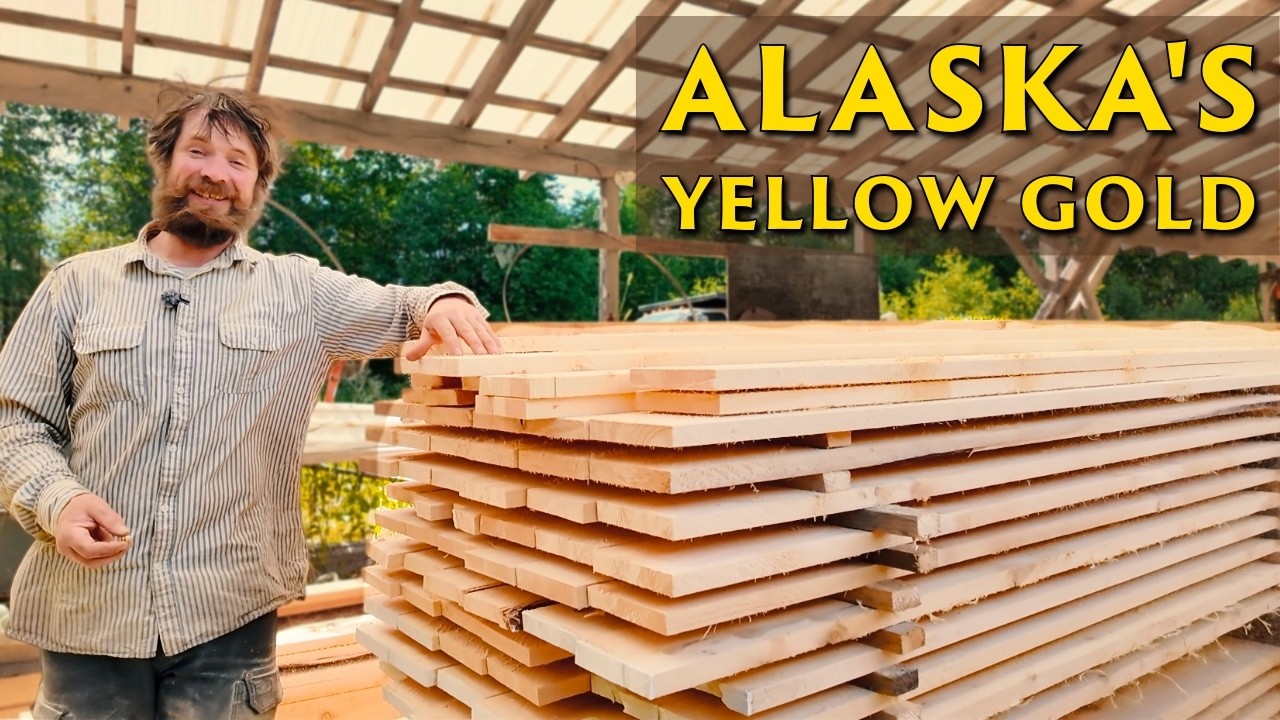
We live aboard our 80-foot sailboat year-round in Alaska, and one of the things we love about this life is the people and places we stumble into along the way. After helping Sterling and Aaron of Second Growth Homes raise an A-frame in Southeast Alaska, we were invited out to the logging and milling operation Sterling runs alongside his dad, Gordon, near Tenakee Springs. And Gordon has a story. He spent nearly 50 years as a builder before moving to Tenakee 26 years ago. After years of bringing lumber north from Washington and Oregon, he started questioning why they were importing wood while living in the middle of one of the greatest timber-producing regions in the world. He bought an old sawmill, eventually moved into logging and milling, and today he and Sterling work together harvesting and milling local Southeast Alaska timber. Their operation takes the process nearly from beginning to end. They selectively harvest timber through Forest Service timber sales, mill Sitka spruce and Alaska yellow cedar themselves, fill custom orders, and even built a barge and have a towboat to get lumber out to customers around Southeast Alaska. On the day we visited, they were in the middle of a large order of Alaska yellow cedar. With plenty of lumber left to mill, Scott got put to work learning Gordon's hydraulic Wood-Mizer while Sterling and the crew kept the Mobile Dimension mill running on the other side of the shed. For Scott, who has his own history with logging and sawmilling back on the Kenai Peninsula, it felt a little like finding a piece of home in another corner of Alaska. Living aboard isn't always about sailing. Sometimes it's about where the boat takes us, the people we meet when we get there, and the lives and stories we're lucky enough to step into for a little while. This is our second collaboration with Second Growth Homes, and really just an introduction to Sterling, Gordon and what they're building here in Southeast Alaska. We have a feeling there is a lot more to this story. Thanks for coming along. ⚓ The Alaskan Gypsy Life Living aboard and exploring Alaska, four seasons a year. Chapters: 00:00 Life Aboard Takes Us Into the Forest 01:48 Inside a Southeast Alaska Sawmill 05:23 Meet Gordon 06:07 Logging & Milling in Southeast Alaska 08:26 Gordon’s Story: From Builder to Logger 10:22 A Big Alaska Yellow Cedar Order 12:09 Why Yellow Cedar? 14:28 How They Harvest Local Timber 16:33 Can We Finish the Order Today? 18:09 What’s Next for the Sawmill 19:59 Scott Gets to Work 23:08 Milling Alaska Yellow Cedar 24:18 Finding a Rhythm 24:59 Two Sawmills Running 26:04 What Makes Yellow Cedar So Special 28:53 The Final Stack 29:59 We’re Done!