Latest videos
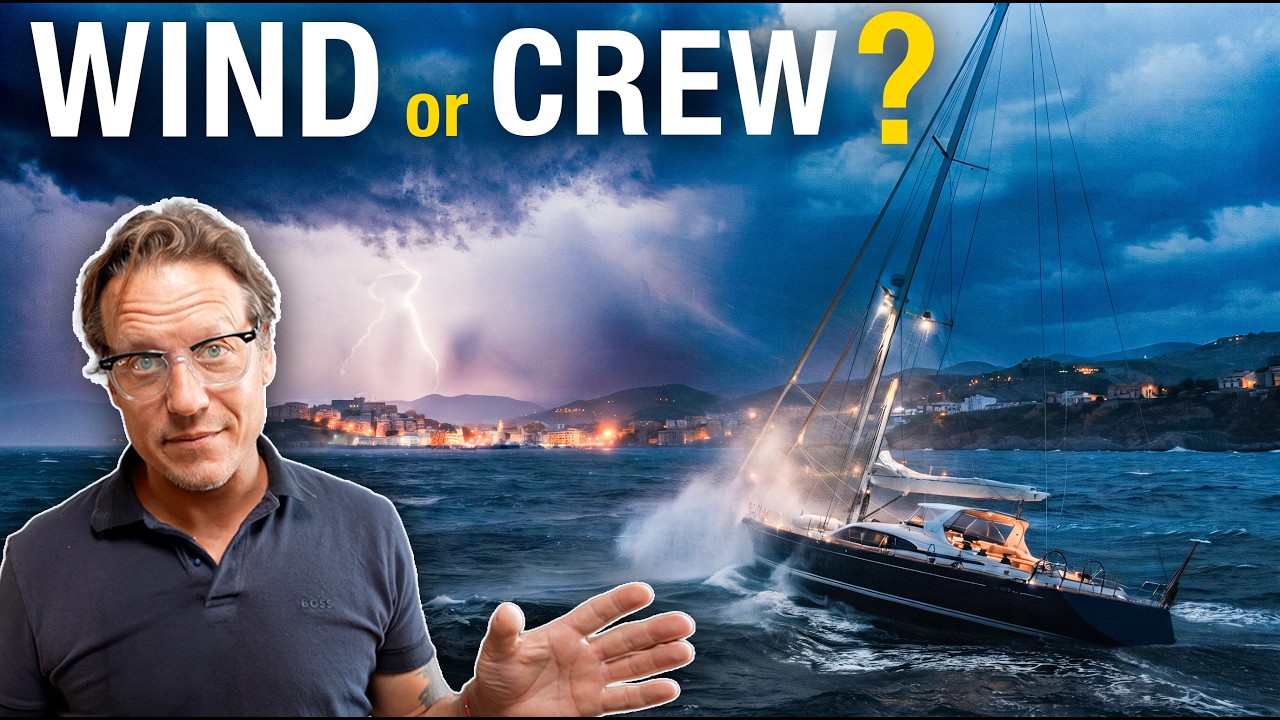
Get my award-winning offshore manual📘 Be The Captain: bethecaptain.com MAIB REPORT: https://assets.publishing.service.gov.uk/media/6821ea1aced319d02c9060f2/2025-Bayesian-InterimReport.pdf Two years after the superyacht Bayesian capsized at anchor off Porticello, Sicily, taking the lives of seven people—including Mike Lynch and his daughter Hannah—the maritime world is still waiting for official closure. While the UK's Marine Accident Investigation Branch found that a severe beam wind above 63.4 knots could overwhelm the 56-meter Perini Navi while motoring with its centerboard up, Italian prosecutors' experts have pointed fingers at the crew's actions during what they characterize as "little more than a squall." Meanwhile, the builder, The Italian Sea Group, is tangled in a massive €456 million lawsuit against the owner's estate and crew, all while dealing with fallout across their order books. In this deep dive, we break down what the MAIB interim report actually confirms, what remains heavily disputed, which theories hold water, and what every captain anchoring in high-stakes weather needs to take away from this tragedy. Sources discussed: MAIB interim report (May 2025), Italian prosecution expert findings (Apr 2026), and reporting from Boat International, Maritime Executive and Pressmare. MAIB REPORT: https://assets.publishing.service.gov.uk/media/6821ea1aced319d02c9060f2/2025-Bayesian-InterimReport.pdf ━━━━━━━━━━━━━━ ⚓ CHAPTERS 00:00 — Introduction: Why We’re Finally Talking About the Bayesian 03:30 — The MAIB Interim Report: Facts, Figures, and the Timeline 05:15 — The Numbers Game: Mast-to-Draft Ratios vs. Standard Offshore Cruisers 07:35 — Centerboards & Ballast: Understanding Vanishing Stability 09:40 — The Weather Event: Supercells, Microbursts, and Global Weather Shifts 14:30 — Evacuation & Survival: How the Crew and Guests Escaped 16:45 — The 70-Degree Trap: Why She Didn't Come Back Up 24:10 — The Blame Game: Legal Battles, €456M Lawsuits, and Builder Fallout 27:30 — Q&A: Vessel Evaluations & The New Leadsman Launch 31:50 — Q&A: Is a Cutlass 27 Good for a First-Time Sailor? 39:05 — Q&A: Cruising the Med and Visa Realities for Americans 45:00 — Q&A: Pearson 35 & Halberg-Rassy 38 Evaluations 1:07:35 — Q&A: Offshore Cruising on a Beneteau 51.1 ━━━━━━━━━━━━━━ ⚓ SUPPORT THE CHANNEL ⚔️ Inner Circle on Patreon (Join the WhatsApp Crew): https://www.patreon.com/c/bethecaptain 🍺 Buy the crew a beer: https://www.paypal.com/paypalme/svzingaro 📖 Be The Captain — my maritime field manual on seamanship, leadership, and crisis at sea (unlocks 10% off Defender Marine + 20% off PredictWind): English: https://bethecaptain.com/ · Español: https://a.co/d/08yiAfse 🧰 Free downloads in the Captain's Locker: https://bethecaptain.com/locker 📚 Data-Driven Vessel Evaluation: Getting ready to buy? We are publicly launching Leadsman at the Annapolis Sailboat Show. Check it out for comprehensive market intelligence and 17-page vessel condition reports: https://leadsman.ai/ ━━━━━━━━━━━━━━━━━━━━━━ ⚓ RECOMMENDED GEAR & PARTNERS ━━━━━━━━━━━━━━━━━━━━━━ * Defender Marine — Outfitting boaters since 1938 with trusted marine gear, expert advice, and refit supplies: 👉 Shop Defender Marine: https://defender.com/en_us/ * PredictWind — The world leader in offshore marine weather forecasting, routing, and departure planning: 👉 Check out PredictWind: https://www.predictwind.com/ 🎁 Exclusive Reader Perks: When you grab a copy of Be The Captain, unlock 10% off Defender Marine + 20% off PredictWind forecasts: 📖 English ("Be The Captain"): https://bethecaptain.com/ 🇪🇸 Español ("Sé el Capitán"): https://a.co/d/08yiAfse #Leadsman #BoatBuying #BeTheCaptain #Sailing #liveaboarddiving

About 100 miles off Kona, pounding waves broke my catamaran’s rear main beam, leaving the starboard hull hanging from the deck. Keeping the boat together meant repeated trips into the black water beneath it, using rope and winches to lash a broken home back together. Full Catamaran Video: https://youtu.be/o__mcZS-jfU Excerpt From: https://youtu.be/C1xIcXZqErU 📗 Get My Book: https://bethecaptain.com

Grab a copy of Be The Captain, 10% off Defender + 20% off PredictWind: https://bethecaptain.com/ Boat shows are notorious for pushing shiny new solutions to problems we didn't know we had, but hidden among the gimmicks are a few pieces of tech that genuinely move the needle for shorthanded cruisers. This year at the Cannes Yachting Festival, we saw something I've been waiting years for: foiling monohulls are finally hitting the cruising market. Grab a drink and join the replay as we sift through the most interesting, practical, and highly debatable gear from the docks. What We Break Down: The Foiling Monohull (Scow 6.5m & 12m): The racing scene has always influenced cruising, and the prototype cruising foil boats are finally here. We debate if this articulating tech is the future of sailing or a maintenance nightmare offshore. The $24k Lightning Debate: Dinnteco’s DDCE system is a massive investment. We discuss how this charge-dissipation device works to prevent upward streamers and if it genuinely belongs on a cruising mast to protect your electronics. BlueNav Smart Mooring: The winner of the Best Tech innovation. We look at this retractable push-button docking system and debate if it is the end of traditional boat handling or a massive safety upgrade. Windelo 50 Catamaran: An all-electric catamaran with a forward cockpit and sliding glass walls. I explain why I went in wanting to hate it, but ended up incredibly impressed by the airflow and layout. Fendsea (Fancy) Inflatables: These high-tech inflatable fenders offer internal storage and break down to nothing. Practical innovation or just a pricey cooler? Captain's Q&A: We dive into viewer questions, tackling the Morgan Out Island 41 vs. Island Packet hull designs, the legendary rig engineering on the Mason 43, fluid drives, and the realities of buying a 60-year-old Cheoy Lee. The goal isn't to bolt every new gadget onto the deck; it's to find the tools that actually make us safer, more self-sufficient, and better equipped for the realities of the ocean. Drop your questions, thoughts, and your own offshore experiences in the comments! #Sailing #BoatTech #CannesBoatShow #YachtingFestival #OffshoreCruising #SailboatRefit ━━━━━━━━━━━━━━ ⚓ SUPPORT THE CHANNEL ⚔️ Inner Circle on Patreon (Join the WhatsApp Crew): https://www.patreon.com/c/bethecaptain 🍺 Buy the crew a beer: https://www.paypal.com/paypalme/svzingaro 📖 Be The Captain — my maritime field manual on seamanship, leadership, and crisis at sea (unlocks 10% off Defender Marine + 20% off PredictWind): English: https://bethecaptain.com/ · Español: https://a.co/d/08yiAfse 🧰 Free downloads in the Captain's Locker: https://bethecaptain.com/locker 📚 Data-Driven Vessel Evaluation: Getting ready to buy? We are publicly launching Leadsman at the Annapolis Sailboat Show. Check it out for comprehensive market intelligence and 17-page vessel condition reports: [Insert Leadsman Link] #Leadsman #BoatBuying #BeTheCaptain #Sailing #Liveaboard ━━━━━━━━━━━━━━━━━━━━━━ ⚓ RECOMMENDED GEAR & PARTNERS ━━━━━━━━━━━━━━━━━━━━━━ • Defender Marine — Outfitting boaters since 1938 with trusted marine gear, expert advice, and refit supplies: 👉 Shop Defender Marine: https://defender.com/en_us/ • PredictWind — The world leader in offshore marine weather forecasting, routing, and departure planning: 👉 Check out PredictWind: https://www.predictwind.com/ 🎁 Exclusive Reader Perks: When you grab a copy of Be The Captain, unlock 10% off Defender Marine + 20% off PredictWind forecasts: 📖 English ("Be The Captain"): https://bethecaptain.com/ 🇪🇸 Español ("Sé el Capitán"): https://a.co/d/08yiAfse CHAPTERS 0:00 - The Monohull Foiling Revolution (Scow 6.5m) 1:57 - Book Giveaways & "Sé el Capitán" 7:42 - The $24k Lightning Rod Debate (DDCE System) 12:14 - Real Lightning Strike Damage (SV Cuba) 15:52 - Push-Button Auto Docking (BlueNav Smart Mooring) 17:30 - The Truth About Electric Cruisers (Windelo 50 Catamaran) 26:33 - Book Giveaway Winner #1 28:48 - Windelo 50 Interior Walkthrough 32:01 - Fendsea (Fancy) High-Tech Inflatable Fenders 35:32 - Live Q&A Begins: Cannes vs. Annapolis Boat Shows 42:23 - Skiff Sailing & My Old Islander 28 46:50 - Launching Leadsman & Boat Buying Realities 51:06 - Fluid Drives & Hydraulics on Steel Yachts 56:00 - Book Giveaway Winner #2 58:43 - Shoal Drafts: Morgan 45 vs. Island Packet 1:06:56 - Is Basalt Mesh Better Than Fiberglass? 1:09:35 - Buying a 60-Year-Old Cheoy Lee 36 1:11:19 - Why the Mason 43 is a Beast Offshore 1:16:22 - Final Giveaway & Wrap Up

We’re live from the Cannes Yachting Festival! Recent conversations across the cruising community have put keel safety, hull construction, and structural integrity under the microscope. Between high-profile incidents like the Oyster 825 keel loss and aggressive marketing campaigns claiming modern fin keels are accidents waiting to happen, there’s a lot of fear circulating—and not enough sober engineering facts. Today, we’re cutting through the marketing noise to look at what actually causes keel and hull failures, what modern naval architecture gets right, and what offshore sailors genuinely need to know about structural safety. What We’re Breaking Down Today: The Oyster Keel Failure: What really happened, the structural factors involved, and the regulatory lessons learned. Vestas Wind at 19 Knots: Analyzing how a modern racing boat survived a violent reef grounding without shedding its keel. The Mike Plant Tragedy (Coyote): A look back at history, experimental designs, and ballast bulb attachments. Encapsulated vs. Fin Keels: The structural pros and cons of bolt-on fins, skegs, and encapsulated keels without the marketing spin. Safety vs. Fearmongering: Why building offshore confidence requires understanding real risk factors—not buying into scare tactics. Live Q&A: Answering your boat-buying, hull-surveying, and structural safety questions live from the docks. Join the conversation in the live chat! Drop your questions, thoughts, and your own offshore experiences below as we walk the docks in Cannes. #Sailing #BoatSafety #CannesBoatShow #YachtDesign #OffshoreCruising #SailboatKeels ━━━━━━━━━━━━━━ ⚓ SUPPORT THE CHANNEL ⚔️ Inner Circle on Patreon: https://www.patreon.com/c/bethecaptain 🍺 Buy the crew a beer: https://www.paypal.com/paypalme/svzingaro 📖 Be The Captain — my maritime field manual on seamanship, leadership, and crisis at sea (unlocks 10% off Defender Marine + 20% off PredictWind): English: https://bethecaptain.com/ · Español: https://a.co/d/08yiAfse 🧰 Free downloads in the Captain's Locker: https://bethecaptain.com/locker 📚 Further reading: The Ship and the Storm by Jim Carrier · NHC 1998 Tropical Cyclone Report: Hurricane Mitch #HurricaneMitch #Fantome #BeTheCaptain #Sailing #MaritimeDisaster #Livestream #bethecaptain ━━━━━━━━━━━━━━━━━━━━━━ ⚓ RECOMMENDED GEAR & PARTNERS ━━━━━━━━━━━━━━━━━━━━━━ • Defender Marine — Outfitting boaters since 1938 with trusted marine gear, expert advice, and refit supplies: 👉 Shop Defender Marine: https://defender.com/en_us/ • PredictWind — The world leader in offshore marine weather forecasting, routing, and departure planning: 👉 Check out PredictWind: https://www.predictwind.com/ 🎁 Exclusive Reader Perks: When you grab a copy of Be The Captain, unlock 10% off Defender Marine + 20% off PredictWind forecasts: 📖 English ("Be The Captain"): https://bethecaptain.com/ 🇪🇸 Español ("Sé el Capitán"): https://a.co/d/08yiAfse

In October 1955, the Joyita, a 69-foot motor yacht chartered for a routine supply run, set sail from Samoa for the Tokelau Islands with 25 people aboard. She was an incredibly sturdy, oak and cedar ship packed with five inches of solid cork insulation—making her physically incapable of sinking. When the ship failed to arrive, a massive aerial search yielded nothing. But five weeks later, the Joyita was discovered 600 miles off course, flooded and heavily listed, yet perfectly afloat. Her life rafts were missing, all 25 souls had vanished without a trace, and the eerily preserved crime scene included frozen clocks, bloodstained bandages, and a severed radio wire. This video is a forensic breakdown of the tragedy: the slow, quiet rot of a galvanized iron pipe that caused the flooding, the panicked breakdown of command in the dark, and the terrifying logic that led 25 people to abandon an unsinkable ship in the middle of the Pacific. It is a stark reminder of the oldest rule of the sea: you never step down into a life raft unless you have to step up into it. ━━━━━━━━━━━━━━━━━━━━━━ ⏱ CHAPTERS ━━━━━━━━━━━━━━━━━━━━━━ 0:00 — The Unsinkable Boat 1:00 — The Oldest Rule of the Sea 3:20 — Hollywood Origins: The History of the Little Jewel 4:42 — The Murder Weapon: Galvanized Pipes & Dissimilar Metals 7:22 — The 69-Foot Lifeboat 8:31 — Captain Dusty Miller & The Charter 11:00 — The 25 Souls Aboard 12:03 — Irresponsible Choices & Dirty Bilges 17:00 — Departure & The Floating Crime Scene 18:35 — The Fatal Leak Begins 21:09 — 10:25 PM: The Clocks Freeze 23:54 — The Two-Mile Mayday Call 25:14 — The Search & Discovery of the Ghost Ship 28:57 — The Official Inquiry: "Inexplicable" 30:20 — Theories: Murder, Submarines & Insurance Fraud 32:59 — Theory Four: A Fight for Command 35:05 — Reconstructing the Final Night 40:48 — Project Joyita & The Ship's Doomed Fate 45:16 — Final Lessons: Know Your Flotation ━━━━━━━━━━━━━━━━━━━━━━ ☕ SUPPORT THE CHANNEL ━━━━━━━━━━━━━━━━━━━━━━ Help us keep uncovering and telling these stories: ⚔️ Join the Inner Circle on Patreon: https://www.patreon.com/c/bethecaptain 🍺 Buy the crew a beer / one-time tip: https://www.paypal.com/paypalme/svzingaro ━━━━━━━━━━━━━━━━━━━━━━ ⚓ RECOMMENDED GEAR & PARTNERS ━━━━━━━━━━━━━━━━━━━━━━ • Defender Marine — Outfitting boaters since 1938 with trusted marine gear, expert advice, and refit supplies: 👉 Shop Defender Marine: https://defender.com/en_us/ • PredictWind — The world leader in offshore marine weather forecasting, routing, and departure planning: 👉 Check out PredictWind: https://www.predictwind.com/ 🎁 Exclusive Reader Perks: When you grab a copy of Be The Captain, unlock 10% off Defender Marine + 20% off PredictWind forecasts: 📖 English ("Be The Captain"): https://bethecaptain.com/ 🇪🇸 Español ("Sé el Capitán"): https://a.co/d/08yiAfse ━━━━━━━━━━━━━━━━━━━━━━ 📖 FURTHER READING ━━━━━━━━━━━━━━━━━━━━━━ * Joyita: Solving the Mystery by David Wright (The 2002 investigative book mentioned in this video that pieces together the final sequence of events). * Be The Captain by James Allan Evenson (My award-winning maritime field manual on offshore seamanship, leadership, and crisis management). * Free Hull Penetration Map: Available in the Captain's Locker at bethecaptain.com to help you track your boat's through-hulls. ━━━━━━━━━━━━━━━━━━━━━━ 🎬 ABOUT THE CHANNEL ━━━━━━━━━━━━━━━━━━━━━━ True stories from the sea — the rescues, the wrecks, and the choices that decide who comes home. You don't have to be a sailor to feel them. But if you are, they might change the way you feel about the water. 🔔 Subscribe and turn on notifications so you don't miss the next one. 📷 Archival photographs courtesy of press/public archives. If you hold the rights to any image used here and would like credit or removal, please contact captain@bethecaptain.com ━━━━━━━━━━━━━━━━━━━━━━ TAGS ━━━━━━━━━━━━━━━━━━━━━━ #MaritimeMystery #Joyita #GhostShip #Shipwreck #OffshoreSailing #Seamanship #TrueCrime #Sailing #BeTheCaptain
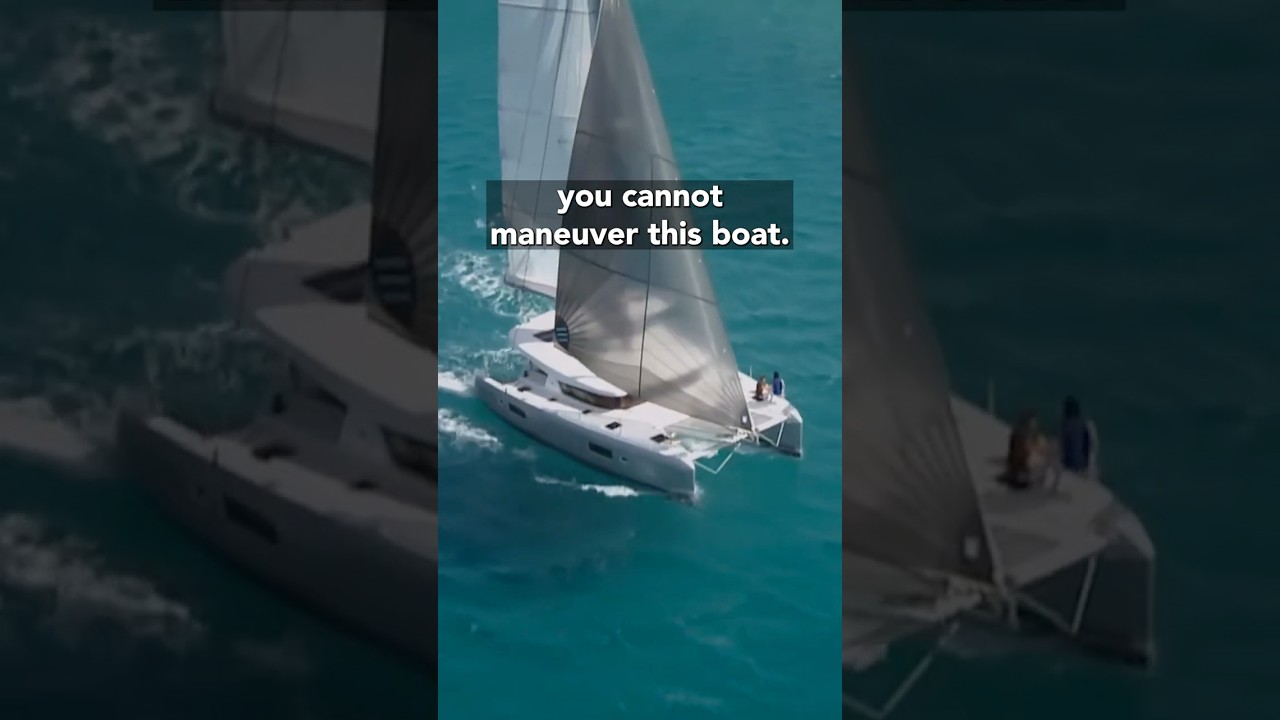
Moving the engines aft creates more interior space, but it also places the rudders ahead of the propellers. I would test low-speed maneuvering on each engine separately because two engines are not true redundancy if one failure leaves the boat circling. Full Stream: https://youtube.com/live/Z3zU93HTT4A?feature=share 📗 Get My Book: https://bethecaptain.com
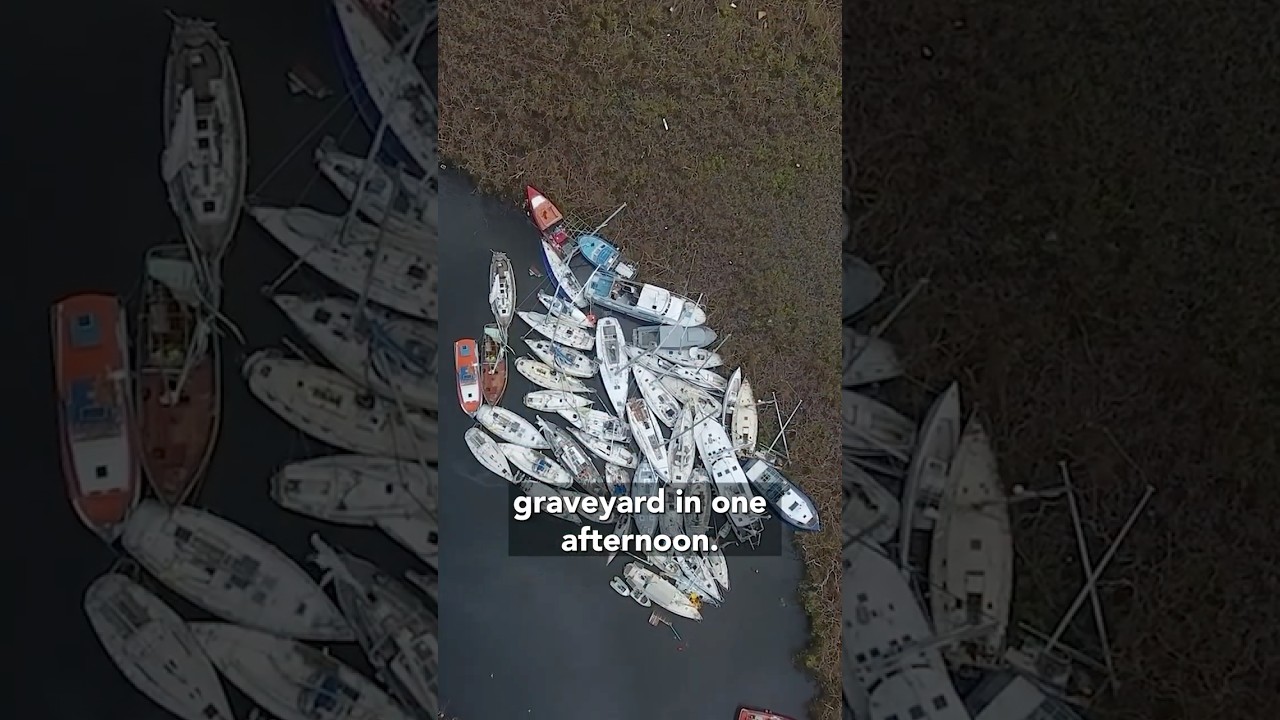
For decades, cruisers gathered in Grenada because it sat just below the hurricane box that shaped many marine insurance policies. In July 2024, Hurricane Beryl flattened Carriacou and turned Tyrell Bay into a boat graveyard, shattering the industry's faith in that safe zone. Full Video: https://youtu.be/p0Oc8njxsxk 📗 Get My Book: https://bethecaptain.com
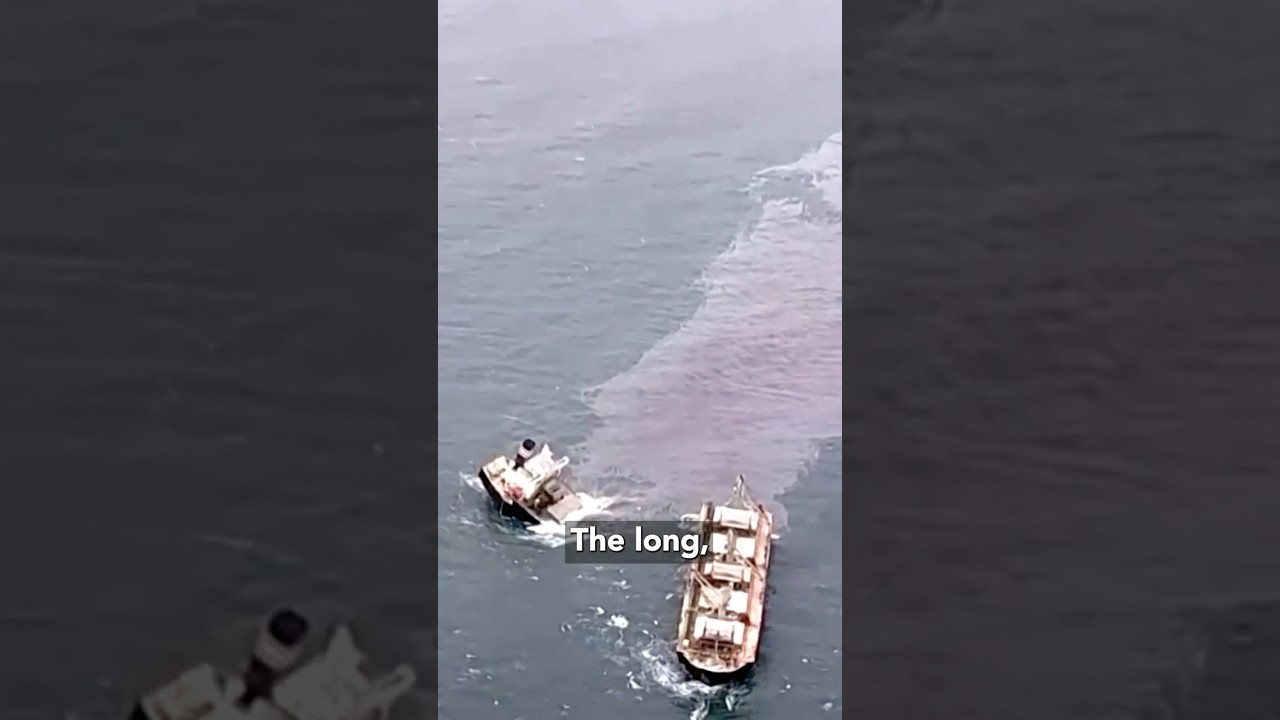
A ship's hull behaves like one enormous beam, bending through hogging and sagging as wave crests and troughs support different sections. Push that steel beyond what it can bear and the hull can fracture, a failure that overwhelmingly strikes long, heavily loaded tankers and freighters. Full Video: https://youtu.be/p0Oc8njxsxk 📗 Get My Book: https://bethecaptain.com

Finished in an Italian warship yard in 1927, this 282-foot yacht began as "Flying Cloud". She then passed from an English duke, to a Guinness heir, and Aristotle Onassis before Windjammer finally made her its flagship in 1969. Full Video: https://youtu.be/p0Oc8njxsxk 📗 Get My Book: https://bethecaptain.com

A hurricane does not steer itself; larger wind patterns high above it, called steering currents, carry it like a cork in a river. When those currents weaken, the storm can stall or wander, making its path dangerously unpredictable. Full Video: https://youtu.be/p0Oc8njxsxk 📗 Get My Book: https://bethecaptain.com
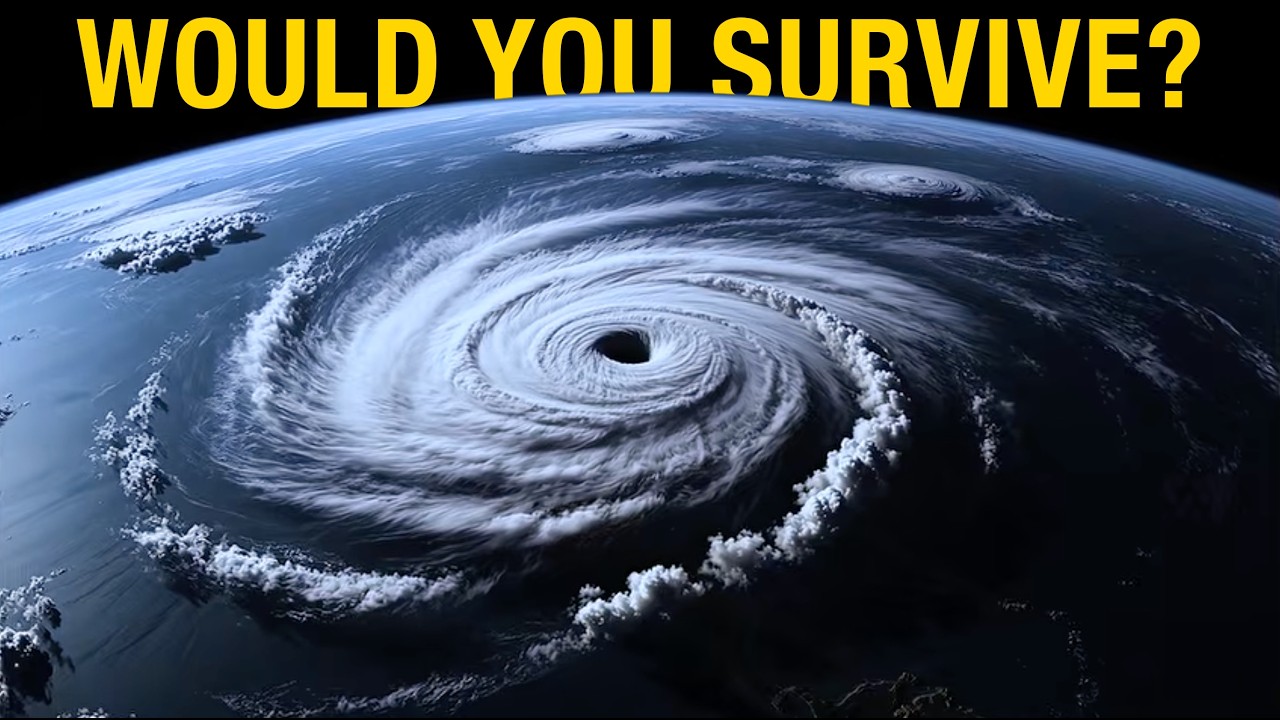
📖 English ("Be The Captain"): https://bethecaptain.com/ 🇪🇸 Español ("Sé el Capitán"): https://a.co/d/08yiAfse Tonight, you sit in the captain's chair. October 26th, 1998. You command the S/V Fantome. 282 feet of riveted steel, 31 crew, 7 knots on her best day, drawing 13 feet. A Category 5 hurricane is stalled over the western Caribbean, and the forecast keeps changing its mind. I'll give you exactly what Captain Guyan March knew, advisory by advisory — real positions, real forecast text, real clock. Chat votes on every decision. Then I show you what he actually chose… and what Mitch actually did. No hindsight. No spoilers until you've committed. Let's see if you'd have made it out. ▶ THE FULL STORY (watch before or after — your call): https://youtu.be/p0Oc8njxsxk Also tonight: I'm answering your best comments and theories from the Fantome video — and at the end, one sentence about next week's episode. Just one. It involves a ship that couldn't sink. ━━━━━━━━━━━━━━ ⚓ SUPPORT THE CHANNEL ⚔️ Inner Circle on Patreon: https://www.patreon.com/c/bethecaptain 🍺 Buy the crew a beer: https://www.paypal.com/paypalme/svzingaro 📖 Be The Captain — my maritime field manual on seamanship, leadership, and crisis at sea (unlocks 10% off Defender Marine + 20% off PredictWind): English: https://bethecaptain.com/ · Español: https://a.co/d/08yiAfse 🧰 Free downloads in the Captain's Locker: https://bethecaptain.com/locker 📚 Further reading: The Ship and the Storm by Jim Carrier · NHC 1998 Tropical Cyclone Report: Hurricane Mitch #HurricaneMitch #Fantome #BeTheCaptain #Sailing #MaritimeDisaster #Livestream #bethecaptain ━━━━━━━━━━━━━━━━━━━━━━ ⚓ RECOMMENDED GEAR & PARTNERS ━━━━━━━━━━━━━━━━━━━━━━ • Defender Marine — Outfitting boaters since 1938 with trusted marine gear, expert advice, and refit supplies: 👉 Shop Defender Marine: https://defender.com/en_us/ • PredictWind — The world leader in offshore marine weather forecasting, routing, and departure planning: 👉 Check out PredictWind: https://www.predictwind.com/ 🎁 Exclusive Reader Perks: When you grab a copy of Be The Captain, unlock 10% off Defender Marine + 20% off PredictWind forecasts: 📖 English ("Be The Captain"): https://bethecaptain.com/ 🇪🇸 Español ("Sé el Capitán"): https://a.co/d/08yiAfse

In October of 1998, a 282-foot four-masted schooner called the Phantom sailed into the western Caribbean with 31 crew members aboard and a hurricane building over the horizon. She was a 71-year-old, riveted steel ship with an incredibly gifted 32-year-old captain, Guyan March. When Hurricane Mitch—one of the most powerful storms ever recorded—stalled and turned directly into the ship's path, the Phantom was boxed in against the Belize Barrier Reef with nowhere to run. This video is a forensic breakdown of the tragedy: why the official forecast failed a good captain, the fatal physics of a massive ship pushed past its angle of vanishing stability, and the quiet corporate decisions that put the crew in that specific corner of the ocean in the first place. It is a stark reminder that a strong boat is not a safe boat when the calendar and the chart are disrespected. ━━━━━━━━━━━━━━━━━━━━━━ ⏱ CHAPTERS ━━━━━━━━━━━━━━━━━━━━━━ 0:00 — The Ultimate Threat at Sea 2:48 — The History of the Phantom 4:09 — The Rig & The Riveted Hull 7:44 — The Quiet Crime: Year-Round Charters 10:00 — The Monster Awakens: Hurricane Mitch 12:51 — Trapped by the Reef 15:47 — Seeking the Navigable Semicircle 21:47 — The Final, Desperate Run East 26:49 — The Theories: What Actually Sank Her? 33:02 — The Vanishing Angle & The Fatal Knockdown 38:16 — The Legal Aftermath & The Insurance "Box" 44:14 — Final Lessons & The 31 Souls of New Amsterdam ━━━━━━━━━━━━━━━━━━━━━━ ☕ SUPPORT THE CHANNEL ━━━━━━━━━━━━━━━━━━━━━━ Help us keep uncovering and telling these stories: ⚔️ Join the Inner Circle on Patreon: https://www.patreon.com/c/bethecaptain 🍺 Buy the crew a beer / one-time tip: https://www.paypal.com/paypalme/svzingaro ━━━━━━━━━━━━━━━━━━━━━━ ⚓ RECOMMENDED GEAR & PARTNERS ━━━━━━━━━━━━━━━━━━━━━━ • Defender Marine — Outfitting boaters since 1938 with trusted marine gear, expert advice, and refit supplies: 👉 Shop Defender Marine: https://defender.com/en_us/ • PredictWind — The world leader in offshore marine weather forecasting, routing, and departure planning: 👉 Check out PredictWind: https://www.predictwind.com/ 🎁 Exclusive Reader Perks: When you grab a copy of Be The Captain, unlock 10% off Defender Marine + 20% off PredictWind forecasts: 📖 English ("Be The Captain"): https://bethecaptain.com/ 🇪🇸 Español ("Sé el Capitán"): https://a.co/d/08yiAfse ━━━━━━━━━━━━━━━━━━━━━━ 📖 FURTHER READING ━━━━━━━━━━━━━━━━━━━━━━ * The Ship and the Storm by Jim Carrier (The definitive, incredibly detailed investigative book on the loss of the Windjammer Fantome/Phantom and Hurricane Mitch). * Be The Captain by James Allan Evenson (My award-winning maritime field manual on offshore seamanship, leadership, and crisis management). * National Hurricane Center (NHC) Archive: 1998 Tropical Cyclone Report on Hurricane Mitch. ━━━━━━━━━━━━━━━━━━━━━━ 🎬 ABOUT THE CHANNEL ━━━━━━━━━━━━━━━━━━━━━━ True stories from the sea — the rescues, the wrecks, and the choices that decide who comes home. You don't have to be a sailor to feel them. But if you are, they might change the way you feel about the water. 🔔 Subscribe and turn on notifications so you don't miss the next one. 📷 Archival photographs courtesy of press/public archives. If you hold the rights to any image used here and would like credit or removal, please contact captain@bethecaptain.com ━━━━━━━━━━━━━━━━━━━━━━ TAGS ━━━━━━━━━━━━━━━━━━━━━━ #MaritimeDisaster #HurricaneMitch #SVPhantom #Shipwreck #Windjammer #OffshoreSailing #Seamanship #HeavyWeatherSailing #Sailing #BeTheCaptain
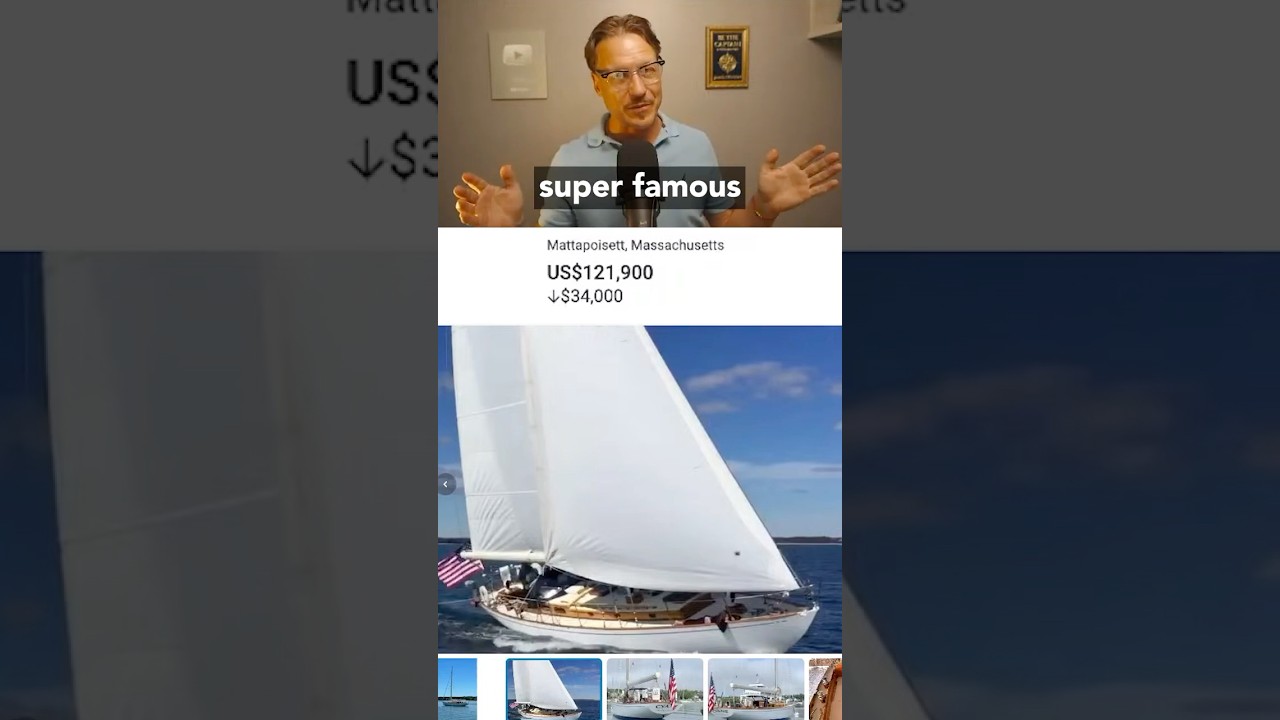
This 60 year old Sparkman & Stephens yacht has an incredible pedigree, a valuable mast, and a recently reduced asking price. The aluminum hull could still be viable or require a $200,000 replating job, making a complete hull-thickness survey essential before buying it. Full Stream: https://youtube.com/live/kWgcphq6ltU?feature=share 📗 Get My Book: https://bethecaptain.com

Cooper sailboats can be good performers, but their large acrylic windows were not always engineered with enough frame overlap. Once the adhesive begins to fail, water can quickly enter the boat and damage the surrounding interior. It does not necessarily make the boat a bad purchase, but it creates an important inspection point for any buyer. Full Stream: https://youtube.com/live/kWgcphq6ltU?feature=share 📗 Get My Book: https://bethecaptain.com

This Robert Harris design was built by Ta Yang in Taiwan and earned a reputation as a stout bluewater cruiser. Unfortunately, the original teak decks also earned these boats the nickname “Leaky Tikis.” This example has lost its teak deck and received several interior repairs, but a buyer still needs to investigate any old water damage. Full Stream: https://youtube.com/live/kWgcphq6ltU?feature=share 📗 Get My Book: https://bethecaptain.com

John Glennie named the Rose-Noëlle after a young woman he met in Tahiti and lost in a tragic plane crash. Sixteen years later, the boat capsized, beginning an extraordinary 119-day survival story. Full Video: https://youtu.be/4HL28zAK0Xc 📗 Get My Book: https://bethecaptain.com

The Rose-Noëlle video hit different — 119 days on an upturned trimaran, and a quarter million of you watched it in a week. Tonight we go deeper. I've been corresponding with John Glennie himself, and I'm bringing what he sent me: the letter he wrote his FIRST NIGHT ashore, the obituary the NZ Herald ran while he was still missing, and details that never made it into any book. Then the counterpoint: Steven Callahan's 76 days alone in a liferaft in the Atlantic — and why these two stories together answer the question every offshore sailor gets wrong: when do you actually step into the raft? On tonight's show: - Behind the scenes of the Rose-Noëlle story — the letters, the research, your questions - 3 oz of Coke a day: how four men solved water, food, and each other - Callahan's 76 days: the raft that became an ecosystem - Fastnet '79 and the doctrine: you step UP into the liferaft - Live Q&A — bring your questions This is Episode 1 of the Be The Captain Podcast — the show formerly known as the Sailing Truth Show. Same Saturday night, same real talk, new name. 🎙️ 📕 GET THE BOOK: Be The Captain. Winner of the 2026 Eric Hoffer Award. 25 years of offshore decisions in one book → https://bethecaptain.com 🔓 FREE first chapter at the link. #bethecaptain

In 1989, four men sailed out of New Zealand aboard the Rose-Noëlle — a trimaran one man had spent 19 years building by hand, and named after a woman who had already been dead for 16 years. Four days out, she flipped upside down in the Southern Ocean. What happened next is one of the greatest survival stories the sea has ever kept: 119 days adrift, given up for dead, mourned and buried by an entire country… and then accused of making the whole thing up. This is the real story, not the Hollywood one. When I set out to tell it, the captain himself, John Glennie, now 85 and living in New Zealand, reached out to me. He shared his letters, his newspaper clippings, and his unpublished memoir — and most of what you'll hear has never been published anywhere. It's muddier, uglier, and more human than the legend. And it's exactly how it happened. If this one stays with you, that's just the sea doing what it does. Thanks for being here. ━━━━━━━━━━━━━━━━━━━━━━ ⏱ CHAPTERS ━━━━━━━━━━━━━━━━━━━━━━ 0:00 — A Love Story That Ends at the Bottom of the Sea 1:47 — Why These Stories Stay With Me 2:37 — The Man Who Built the Boat 4:41 — Rose Noëlle: The Name (Tahiti, 1968) 6:40 — What a Boat Really Is 7:38 — June 1989: Four Strangers Set Sail 8:46 — The Barometer Falls 10:47 — One Loose Thread: The Trip Line 13:09 — The Wave, and the Capsize 14:34 — Life Upside Down 18:53 — Day 40: The Rain Comes 19:48 — The Boat Becomes a Floating Reef 21:18 — Two Crews, One Cabin 23:31 — The Ship He Refused to Signal 25:02 — The Drift That Defied Every Chart 26:30 — Navigating by a Contrail 27:26 — Landfall at Great Barrier Island 29:50 — "They Called Them Liars" 30:36 — The Star Witness Was a Barnacle 32:18 — Vindicated 33:13 — What Became of the Four Men 36:18 — John's Last Chapter 37:26 — Fair Winds ━━━━━━━━━━━━━━━━━━━━━━ ⚓ RECOMMENDED GEAR & STORES ━━━━━━━━━━━━━━━━━━━━━━ Defender Marine has been outfitting boaters since 1938, with trusted brands, expert advice, and everything you need for maintenance, upgrades, and refits. 👉 Shop Defender Marine: https://defender.com/en_us/ Get 10% off your next Defender Marine order when you purchase a copy of Be The Captain through the link below. 👉 Get the book and claim your discount: https://bethecaptain.com/ ━━━━━━━━━━━━━━━━━━━━━━ 📖 THE TRUE STORY — FURTHER READING ━━━━━━━━━━━━━━━━━━━━━━ There are two books about these 119 days, written by two very different men. The facts line up. The meaning never does. • "The Spirit of Rose-Noëlle: 119 Days Adrift, A Survival Story" — John Glennie with Jane Phare • "Capsized: Jim Nalepka's Epic 119-Day Survival Voyage Aboard the Rose-Noëlle" — Steven Callahan & Jim Nalepka ━━━━━━━━━━━━━━━━━━━━━━ 🎬 ABOUT THE CHANNEL ━━━━━━━━━━━━━━━━━━━━━━ True stories from the sea — the rescues, the wrecks, and the choices that decide who comes home. You don't have to be a sailor to feel them. But if you are, they might change the way you feel about the water. 🔔 Subscribe and turn on notifications so you don't miss the next one. 📷 Archival photographs courtesy of John Glennie and press/public archives. If you hold the rights to any image used here and would like credit or removal, please contact captain@bethecaptain.com ━━━━━━━━━━━━━━━━━━━━━━ #RoseNoelle #SurvivalStory #LostAtSea #JohnGlennie #SailingStories #TrueStory #Shipwreck #MaritimeHistory #NewZealand #SurvivalAtSea

Orcas have been ramming rudders and sinking sailboats off Spain, Portugal, and Gibraltar — and tonight we roll the tape. This is a Captain's Breakdown: I pause the footage, judge the crew's decisions in real time, and give the verdict — seamanship, panic, or pure luck. Then I'll tell you exactly how I'd transit the Strait of Gibraltar today, orcas and all. The ocean doesn't care about theory. It cares about execution. 📕 GET THE BOOK: Be The Captain — Winner of the 2026 Eric Hoffer Award. 25 years of offshore decisions in one book → https://bethecaptain.com ⚓ New here? This channel used to be Sailing Zingaro. Same captain, new flag. Be The Captain — true stories from the water, live every Saturday. All footage shown belongs to its original creators and news outlets, used in brief excerpts for commentary, criticism, and education. Sources credited on screen and here: - [paste clip links you actually use, one per line] Current orca guidance for sailors: https://www.noonsite.com/cruising-resources/orcas-and-yachts/ #orcas #sailing #BeTheCaptain
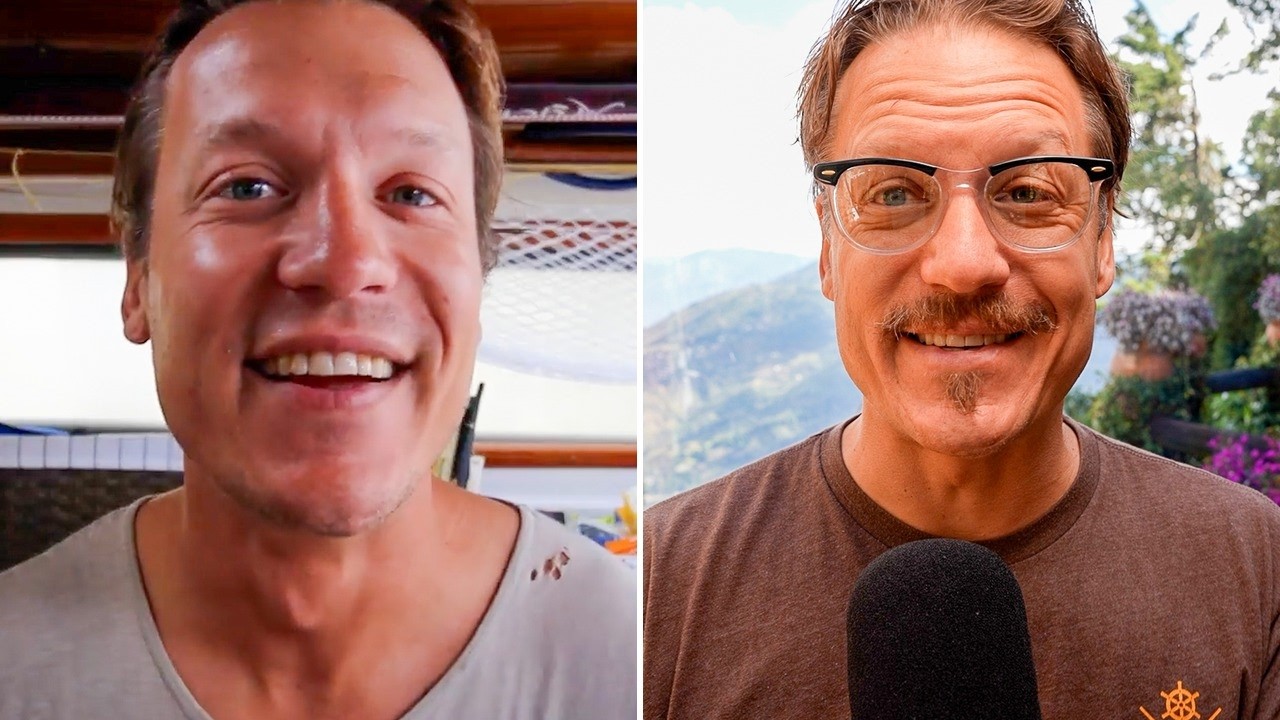
After 10 years and 90,000 nautical miles, this is the last video under the Sailing Zingaro name. In 2016 I bought a catamaran, pointed a camera at myself, and made a promise: I'll go, and I'll take you with me. The good, the bad, the ugly. You watched me sail to Ecuador, Easter Island, and Pitcairn. You watched me lose that catamaran off Hawaii. You watched me refit an Oyster 485 over five years, write a book, and become someone with something to say about the ocean. The promise doesn't change. The name does. This channel is now BE THE CAPTAIN: true stories from the sea. Real disasters, real survival, real investigations, told hour by hour by a delivery captain who has stood watch in the same waters and made some of the same mistakes. Every story traces the failure chain back to where it actually started, and what it teaches you about judgment under pressure, whether you sail or not. First up: Rose-Noëlle. 1989. A trimaran flips in the Southern Ocean and four men spend 119 days inside the upturned hull. Everyone gave them up for dead. It's one of the greatest survival stories ever told, and almost nobody knows it. ⚓ THE BOOK Be The Captain, winner of the 2026 Eric Hoffer Award: https://bethecaptain.com/ ⚓ RECOMMENDED GEAR Defender Marine has been outfitting boaters since 1938: https://defender.com Get 10% off your next Defender order when you purchase Be The Captain at bethecaptain.com Much love. See you next week for the first story! - James 0:00 The FIRST Video 0:36 Retiring the Sailing Zingaro Name 0:57 Zingaro Was Never a Boat 2:09 Where My Heart is At 2:44 The Honest Reasons 3:38 Luna, and a House in the Mountains 4:15 Are you Quitting Sailing? (63° South) 4:57 The New Direction: Storytelling 6:21 Every Story Gets the Full Treatment 6:45 New Brand: "Be The Captain" 7:08 The Door Is Always Open 7:40 First Story: Rose-Noëlle 8:06 Hi, My Name Is James