Welcome aboard to the our video site for sailors. We are being constantly blasted by scammers and pirates, so registration is invite only
contact@sailorsahoy.com with "Invite". No spam, no newsletters. Just a free account
מִכְנָסַיִים קְצָרִים לִיצוֹר

The yellow stingray (Urobatis jamaicensis) is a species of stingray in the family Urotrygonidae, found in the tropical western Atlantic Ocean from North Carolina to Trinidad. This bottom-dwelling species inhabits sandy, muddy, or seagrass bottoms in shallow inshore waters, commonly near coral reefs. Reaching no more than 36 cm (14 in) across, the yellow stingray has a round pectoral fin disc and a short tail with a well-developed caudal fin. It has a highly variable but distinctive dorsal color pattern consisting of either light-on-dark or dark-on-light reticulations forming spots and blotches, and can rapidly change the tonality of this coloration to improve its camouflage. Relatively sedentary during the day, the yellow stingray feeds on small invertebrates and bony fishes. When hunting it may undulate its disc to uncover buried prey, or lift the front of its disc to form a "cave" attractive to shelter-seeking organisms. This species is aplacental viviparous, meaning that the developing embryos are sustained initially by yolk and later by histotroph ("uterine milk"). Females bear two litters of up to seven young per year in seagrass, following a gestation period of 5–6 months. Though innocuous towards humans, the yellow stingray can inflict a painful injury with its venomous tail spine. This species is taken as bycatch by commercial fisheries and collected for the aquarium trade; it may also be negatively affected by habitat degradation. Nevertheless, it remains common and widespread, which has led the International Union for Conservation of Nature (IUCN) to list it under Least Concern.

0
0
0
44

I giorni passano veloci, ma mai veloci quanti Julia su questo oceano così maestoso. Ormai le miglia diminuiscono in un modo più tangibile, vedere 300, poi 200 miglia all’arrivo è molto diverso che leggere 1500 e poi 1400. Sentiamo il profumo di terra. Oggi abbiamo letto tutte le informazioni su Horta e sull’isola di Fajas, prima tappa che faremo alle Azzorre. C’è fermento nell’aria. Tanta voglia di visitare, esplorare, scoprire quel verde così unico al mondo che solo alle Azzorre si presenta così rigoglioso, ma altrettanto piacere nel navigare così. La barca sembra ormai essersi tolta di dosso la fatica, aver spezzato il fiato come si dice in gergo podistico. Corre senza farcelo sentire, come un cavallo libero nella prateria che non sente il peso del suo cavaliere. Raggiungiamo i 9 nodi, la prua fende l’acqua come una lama nel burro e, ogni tanto, infila il naso nel mare per rinfrescarsi un po’. Dettaglio non trascurabile: siamo passati da 31,2 gradi di temperatura dell’acqua del mare a 21.5. E si sentono tutti! L’aria è frizzante, gli spruzzi del mare taglienti. Meno male che ci aspetta l’estate e non l’inverno. Passare dal calore caraibico ai ghiacci alpini sarebbe stato troppo drastico. Udite udite: domani si pronostica l’arrivo. In serata. Speriamo non in notturna per non avvistare luci anziché terra. Staremo a vedere! Ci leggiamo domani con una prevista emozione addosso a livello mille! A domani, Andrea

0
0
0
3,532
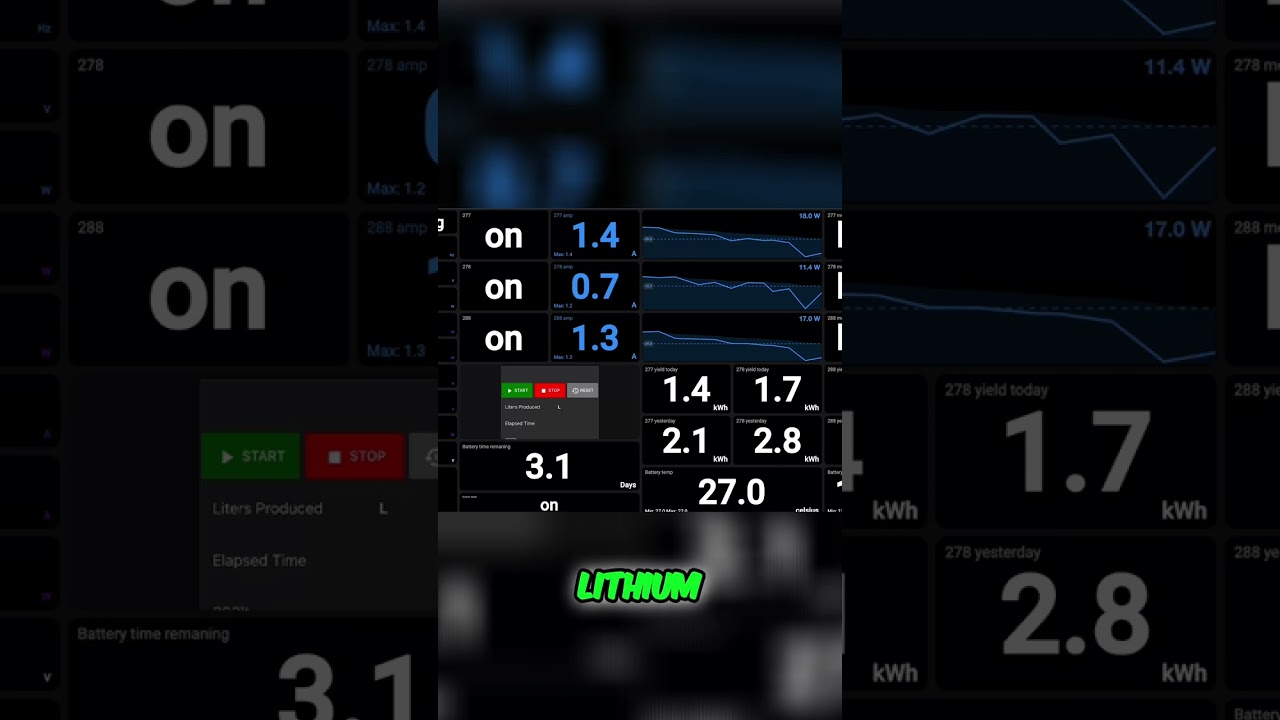
Learn to track power consumption, battery status, and voltage on a boat! We explain essential metrics like watts and amperes, and monitor lithium battery status, diesel information, and MPPT solar panel performance. Stay informed with this crucial guide to managing your boat's power! #PowerConsumption #BatteryStatus #VoltageMonitoring #BoatLife #SolarPanels #DieselInformation #MPPT #BoatElectronics #DIYBoat #MarineTech

0
0
0
84

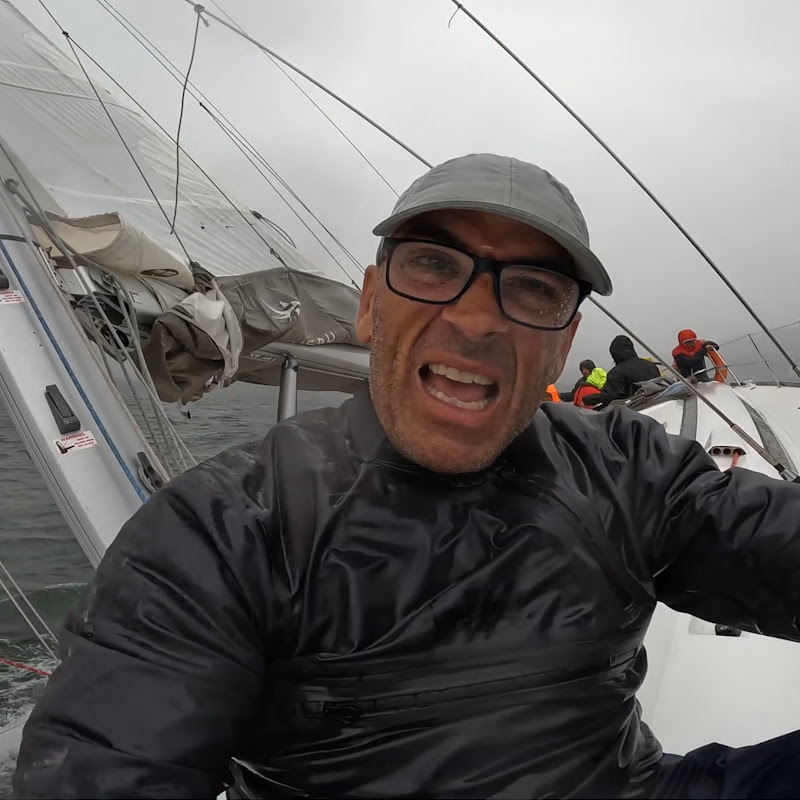
Podéis ver el vídeo completo en Youtube: https://www.youtube.com/watch?v=OWaNvPHPr8Q En vela siempre se dice que ceñir es de pobres. Ir ajustado al viento es duro y muchos navegantes cuando tienen el viento en la nariz, deciden arriar las velas y arrancar el motor para llegar antes al destino. Pero en nuestro caso, somos marineros duros y ponemos 45 grados al viento en cuanto el guión lo exige. En este vídeo vas a ver cómo nos enfrentamos a vientos de entre 20 y 35 nudos de intensidad.
0
0
0
990

Formidable 3 cruiser/racer at full speed.

0
0
0
4,472

0

0
0
0
346