Welcome aboard to the our video site for sailors. We are being constantly blasted by scammers and pirates, so registration is invite only
contact@sailorsahoy.com with "Invite". No spam, no newsletters. Just a free account
Kurze Hose Erstellen

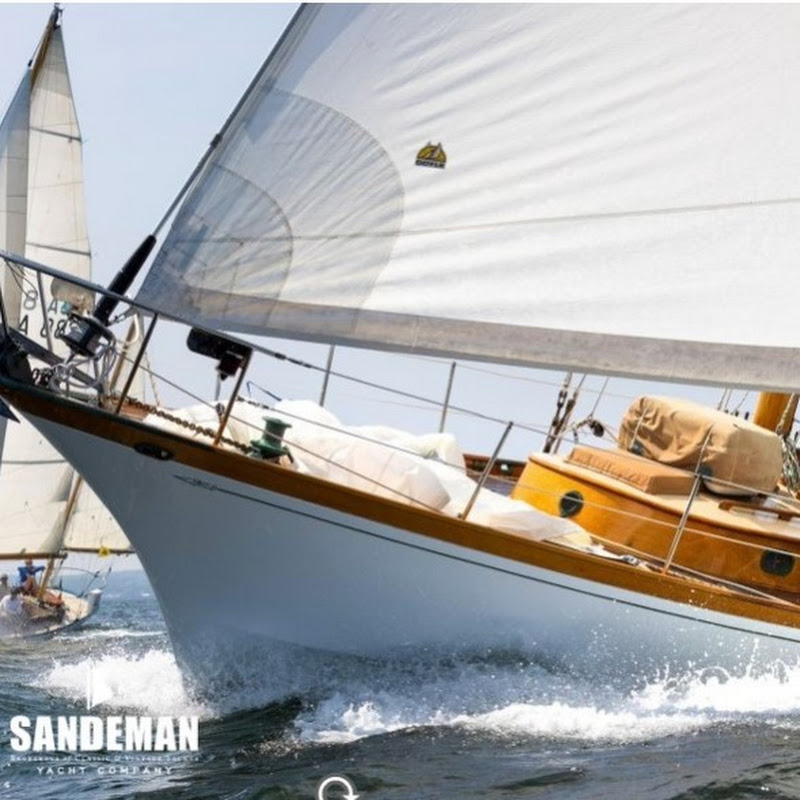
You can find Subscribe button in the description below! Thunderhead Boat build Mexico: Episode 6 The sand filling just came #shorts #boatbuilder #boatmaker #sailing Acerca Este proyecto consiste en construir una versión del velero de 49 pies Rhodes Abeking & Rasmussen Cutter Thunderhead en la selva del Caribe mexicano. Es un proyecto único: • El único canal de construcción de veleros en México • Construido con excelente madera obtenida responsablemente en sitio • Un famoso y muy rápido velero de mar abierto • En algún lugar de la selva caribeña mexicana Nos basaremos en tecnologías y métodos basados en el libro “Como construir un bote de madera” de Bud McIntosh e influenciados por otros constructores de barcos. Queremos inspirar a tanta gente como sea posible a lo largo de nuestra aventura. Acompáñanos y déjanos contagiarte con nuestra energía, empatía, conocimientos y dedicación para hacer este proyecto una realidad. Si deseas colaborar o integrarte de alguna manera con este proyecto, por favor envíanos un correo electrónico a jungleranch@hotmail.com. ¡Por favor apóyanos con un Like y Suscríbete! Por ahora somos el único canal mexicano de YouTube dedicado a la construcción de un velero. Los gastos son muy elevados, si lo deseas, apóyanos donando 50-100 MXN o 5-10 US$ al número de cuenta: Interbancario: 014694606317123599 (Mexico) Paypal: jungleranch@outlook.com Facebook: https://www.facebook.com/profile.php?id=61565906427383 Instagram: https://www.instagram.com/Junglernch70/
0
0
0
543

0
0
0
0
1,144

En este video aprenderás el uso correcto del heliógrafo a bordo, una herramienta sencilla pero muy efectiva para enviar señales visuales durante una emergencia en el mar. Te explicamos cómo funciona, en qué situaciones utilizarlo, las mejores técnicas para dirigir los destellos hacia la embarcación o aeronave de rescate y las recomendaciones para obtener la máxima visibilidad. Una habilidad útil tanto para navegantes recreativos como profesionales. ¡Suscríbete y sigue aprendiendo a navegar con seguridad!

0
0
0
2

Video by Heesen Yachts More info here: http://www.charterworld.com/index.html?sub=yacht-charter&charter=m-motor-yacht-white-exproject-ayla-hull-yn-11752

0
0
0
391

0
0
0
39
0
0
0
0
248