Welcome aboard to the our video site for sailors. We are being constantly blasted by scammers and pirates, so registration is invite only
contact@sailorsahoy.com with "Invite". No spam, no newsletters. Just a free account
Shorts Skapa

A first look at Quo Vadis, our brand-new Fountaine Pajot 44 sailing catamaran. Fresh on the water and ready for BVI charters! Charter with us at www.horizonyachtcharters.com ☀️ 📧res@horizonyachtcharters.com ☎️+18774948787 (toll free) 🧑💻 horizonyachtcharters.com #FountainePajot #Catamaran #QuoVadis #BVISailing #YachtTour #BoatLife
0
0
0
1

Tubbataha Liveaboarding #liveaboard #scubadiving #gopro #scubadivingislife #scubatravel #scubadiving

0
0
0
15

This Picnic Boat 40 brings a fresh perspective on the most successful Hinckley series ever built. Beautiful lines, innovative systems and thoroughbred performance are the hallmarks of SWEET ANNIE. Options include fixed hull port lights, air-conditioned pilothouse, teak pilothouse/cockpit sole, and SureShade retractable cockpit sunshade. SWEET ANNIE is exceptionally well-maintained and has always been serviced through Hinckley Yacht Care facilities. Listing Link: https://hinckleybrokerage.com/yachts-for-sale/hinckley-picnic-boat-40-2019-4295377/

0
0
0
1,030

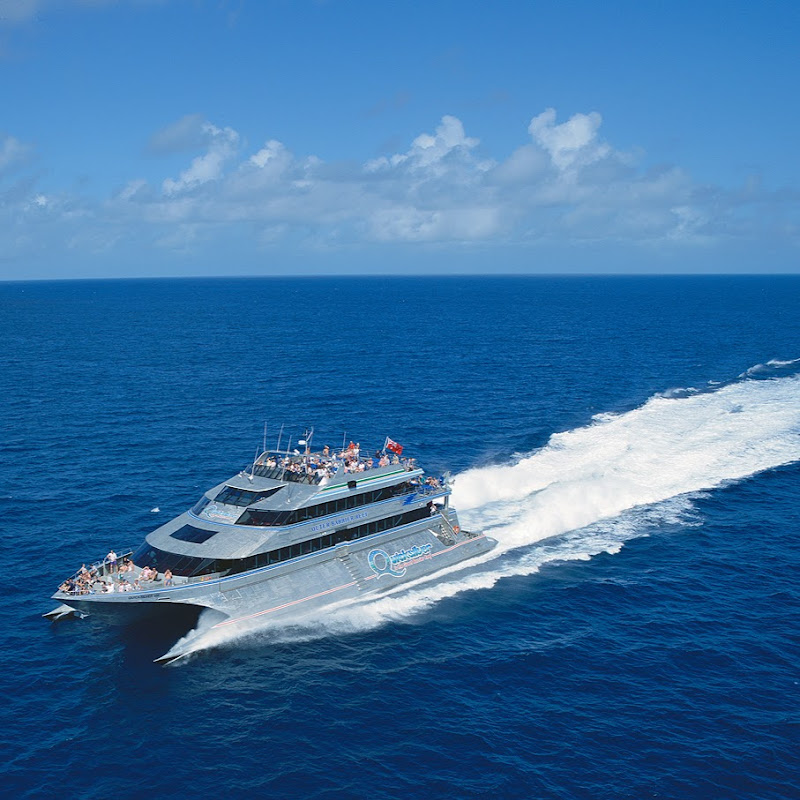
Silversonic passengers and crew recently enjoyed an amazing experience, when an Ornate Eagle Ray (Aetomylaeus vespertilio) was spotted swimming around "Barracuda Bommie", one of Quicksilver's remote dive sites on the Agincourt reefs. This gentle giant (one of the few species of eagle ray without a stinging barb) measured nearly 2.5m across the wings, and total length over 5m. The Ornate Eagle Ray is well named, as the patterns across the dorsal surface are exquisite, consisting of a mosaic of stripes and spots. Shane Down, Crew of Silversonic said, "The last time we saw an Ornate Eagle Ray was 3 years ago on Silversonic. It was an unbelievable sight and this new encounter may be the first one in Northern Australia that has been captured on video. It is a very rare and unique encounter -- like winning lotto underwater." Doug Baird, Quicksilver Cruises Environment and Compliance Manager said, "The species is not well known, and this is only the second one we have seen at one of our reef sites and there are only a few records from the northern parts of Australia (the last time an ornate eagle ray was spotted was in April 2008). They only produce 4-6 live young, making them highly vulnerable. Eagle rays live in the open ocean rather than at the bottom of the sea. They eat snails, mussels and crustaceans, crushing their shells with their extremely hard teeth. They are excellent swimmers and are able to jump several metres above the surface. They are classified as Endangered".
0
0
0
6,246

0
0
0
0
1,449

Marcelo acertando rock slide no corrimão depois do Ollie no final da rampa depois de várias tentativas.
0
0
0
439