Welcome aboard to the our video site for sailors. We are being constantly blasted by scammers and pirates, so registration is invite only
contact@sailorsahoy.com with "Invite". No spam, no newsletters. Just a free account
Shorts Create

Catch up with our Laser Radial sailor Ash Stoddart before racing begins on Monday here (early Tuesday morning AEST). #OneTeam #GoAusSailors
0
0
0
77

SUBSCRIBE ➡️ http://bit.ly/wsnsubscribe Can the sailors at the Hempel Sailing World Championships guess these Danish sailing phrases? Follow World Sailing 🌍⛵️ on: Facebook ➡️ http://www.facebook.com/worldsailingofficial Instagram ➡️ http://www.instagram.com/worldsailingofficial Twitter ➡️ http://www.twitter.com/worldsailing Website ➡️ http://www.sailing.org Newsletter ➡️ http://bit.ly/wsezine
0
0
0
565
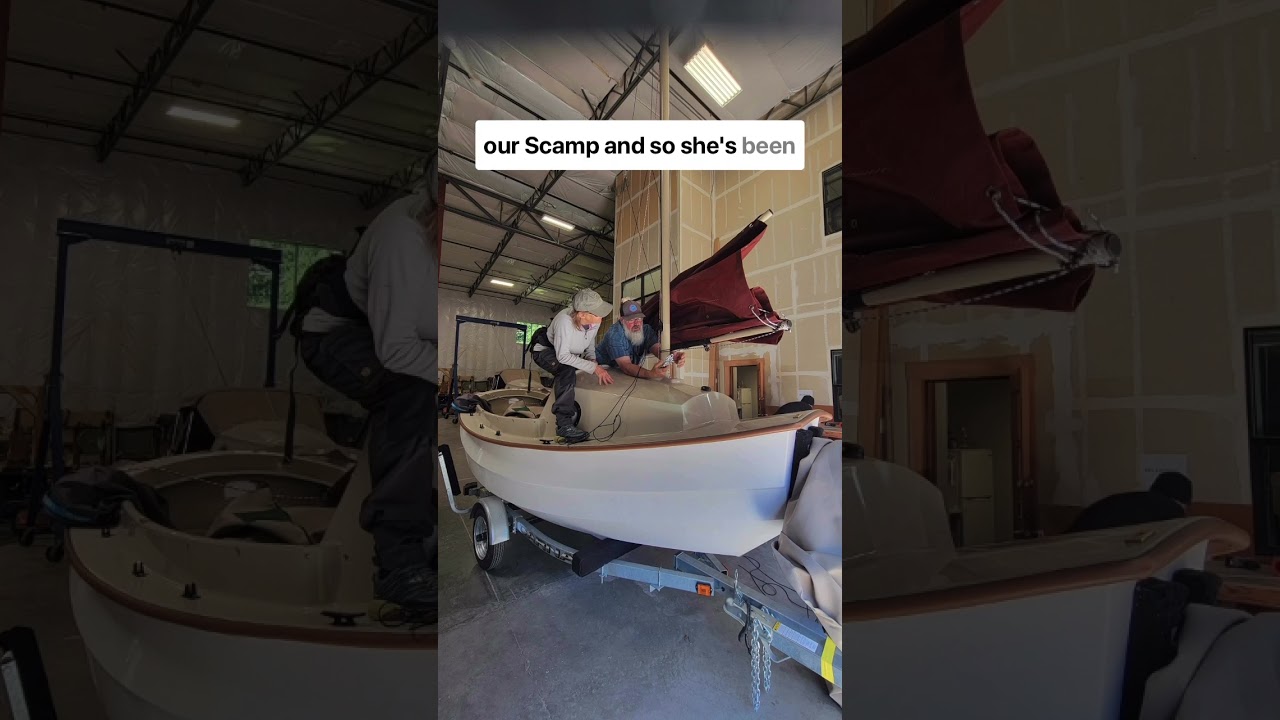
Meet Carol and Sally! They recently picked up their new Scamp and are going to be sharing their experiences learning to sail her, and then exploring waters in the desert southwest (Lake Powell, AZ is a big one they want to camp cruise). “I thought it would be wise for my body to not only build up strength, but to stretch and use some postures and slow movements I usually associate with yoga or tai chi,” said Carol. “Doing this might prevent injuries no matter your age.” In this case, showing is better than telling, so here’s a short video demonstrating Carol’s strength and mobility-building routine in preparation for sailing her new Scamp! Get to know them on their intro post on our blog, and follow along as they learn and sail in their new Scamp! https://ghboats.com/2025/07/launching-into-the-scamp-adventures-of-carol-and-sally/

0
0
0
1,322
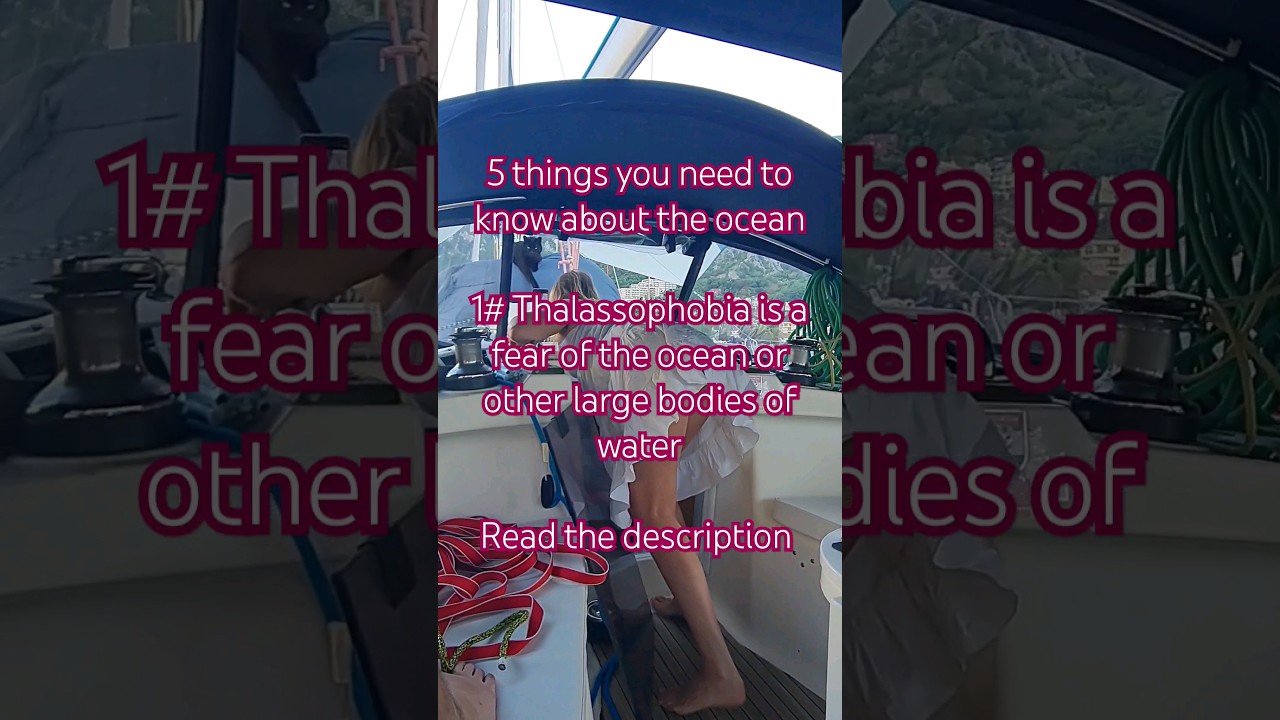
1. The phrase “feeling blue” originated at sea. When a ship lost its captain during a voyage, the sailors would sail blue flags, indicating their loss. Today, when you say you feel blue, you are feeling sad. 2. Sailing has been part of the Olympics since 1896. Except for the 1904 Summer Games, sailing has been included in all modern Olympic games. That makes it one of the longest running Olympic disciplines around. 3. Sailing around the world westward is more difficult than eastward. Most world-record contenders choose to sail eastward due to the stronger and more predictable winds and currents that push eastward in the Southern Hemisphere. 4. “He’s a loose cannon” is another phrase with sailing roots. The cannons on a ship could weigh up to 3,400 pounds. Just as a loose cannon could cause damage on ship, a person referred to as such may also create unwelcome situations. 5. The world-record sailing speed is 65.45 knots (121km/h). As of November 2012, the fastest sailing speed on record is held by Australian Paul Larsen. His specially designed Sailrocket 2 has an unconventional design meant for high-speed sailing.

0
0
0
927

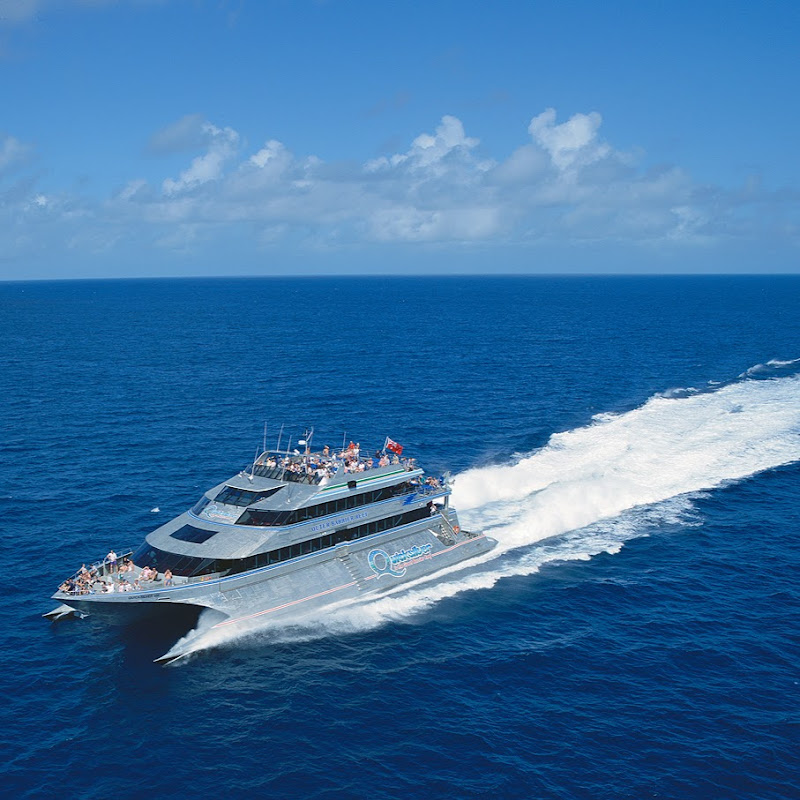
A group of very excited scuba divers with Great Adventures Cruises at Green Island were treated to a rare encounter with a young adult dugong. Estimated to be around 2 metres in length, this was the first dugong sighting recorded by Great Adventures divers at Green Island in several years. It was also the first ever sighting for videographer Dan Liu and two very lucky introductory divers on holiday from Ballarat Victoria. “It was so exciting to see! He was very curious swimming near us as the group were diving on a nearby coral bommie. He came close within about 4 metres, swimming away and then coming back for another look before swimming off over the seagrass beds,” said Dan Liu. Dugongs, often called sea cows, as they graze shallow seagrass meadows (eating up to 40kg a day!) are found across the tropical belt in Australia. They reach a length of 3 metres, live up to 70 years of age and can weigh as much as 400kg. Dugongs are fascinating mammals, sharing a common ancestor with elephants, and early sailors are believed to have confused them for mythical mermaids. They are most closely related to the manatee, their northern hemisphere relative. They resemble a large dolphin but lack a dorsal fin and have an upper lip covered in thick bristles. They are well designed for aquatic life, with nostrils situated on top of their heads so they can breathe, and have a large, strong tail that propels them through the water. Their eyes and ears are on the side of their heads. Although their eyesight is poor, they have an acute sense of hearing.” Dugong are threatened on a worldwide scale and in Australia, are a protected species under various legislation including the Great Barrier Reef Marine Park Act 1975. This important sighting will be reported to GBRMPA’s Eye on the Reef monitoring program contributing valuable information about these endangered creatures as well as the long-term protection and management of the reef. Video credit Dan Liu, Island Photography Australia
0
0
0
341

0
0
0
0
753