Welcome aboard to the our video site for sailors. We are being constantly blasted by scammers and pirates, so registration is invite only
contact@sailorsahoy.com with "Invite". No spam, no newsletters. Just a free account
Shorts Create

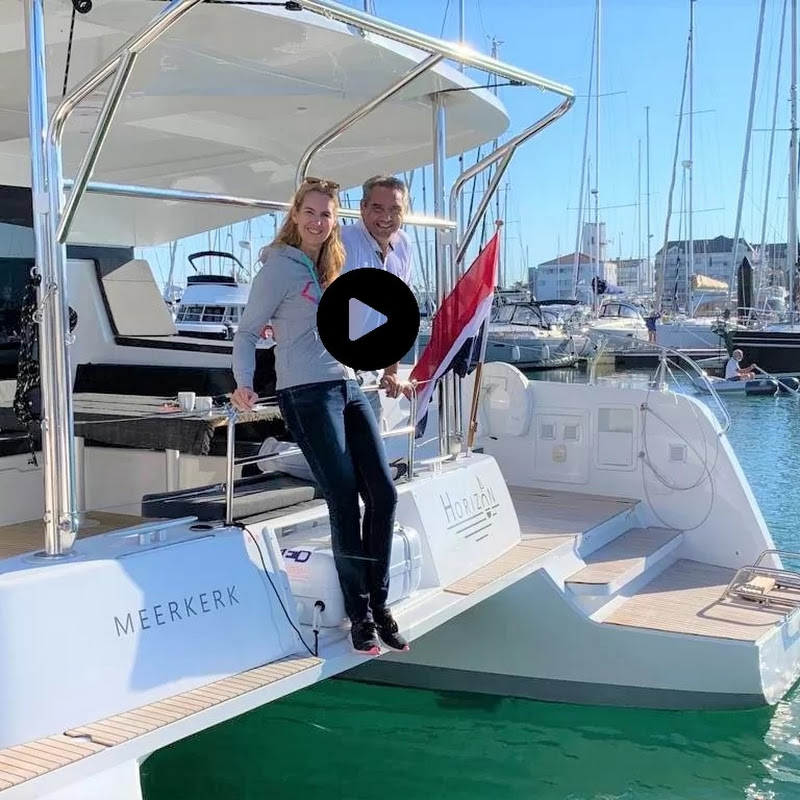
Kythira is an island that belongs to the Ionian Islands but is geographically located south of the Peloponnese and Crete, at the entrance to the Aegean Sea. This strategic position has historically made Kythira an important maritime hub. Over the centuries, the island has been influenced by various cultures, including the Byzantine, Venetian, and Ottoman civilizations. Kythira is known for its unspoiled nature, picturesque villages, Venetian castles, and stunning beaches with crystal-clear waters. We have moored at the quay of Kapsali Bay, which features a beautiful sandy beach and the characteristic white-and-blue houses of Greece. Here, I recorded a video overlooking the bay, with our catamaran as the only vessel in the bay.
0
0
0
61

Embarking on our journey to the Samaria Gorge, we set off in our rental car, eager to explore one of Europe's most renowned natural wonders. The Samaria Gorge is a canyon located in the middle of the White Mountains Forest Preserve. And the White Mountains massif (known as Lefka Ori in Greek) truly lived up to its name. Due to heavy rainfall the previous night, the mountain peaks were beautifully covered in snow. Snow on Crete? Yes indeed! The highest peak of the White Mountains stands at 2,453 meters, with more than 50 summits exceeding 2,000 meters. As we drove towards the Samaria Gorge, sometimes weaving between goats, we enjoyed the stunning views of the snow-capped mountains.
0
0
0
59

The Crazy Waters Bridge in Chalkis sits at the narrowest point between Evia and the mainland, where the strait is only about 38 meters wide. Because so much water is forced through this tiny opening, extremely strong currents are created — the reason sailors call it the “Crazy Waters.” The bridge is in the middle of the city and opens only once a day to avoid disrupting the constant road traffic. Boats may only pass at slack tide, the brief moment every six hours when the water is calmest. That’s why sailors often go through at strange times like 1:30 or 3:00 a.m. While waiting, boats are not allowed to tie up along the quay because the turbulence is so strong that it would be dangerous. Instead, everyone must anchor in the bay and wait for instructions from Port Control. We anchored there with about fifteen other boats and waited until slack tide at night. At midnight, Port Control suddenly called all boats in order — we were number three. Passing the bridge in the dark was surreal: strong currents below, quiet city lights above. The bridge didn’t lift; it actually slid sideways into the quay walls, disappearing completely. Once through, we moored safely just 100 meters further in the city. Experiencing this natural phenomenon at night, in such a narrow and powerful channel, was something I will not quickly forget!
0
0
0
3