Welcome aboard to the our video site for sailors. We are being constantly blasted by scammers and pirates, so registration is invite only
contact@sailorsahoy.com with "Invite". No spam, no newsletters. Just a free account
Шорты создать
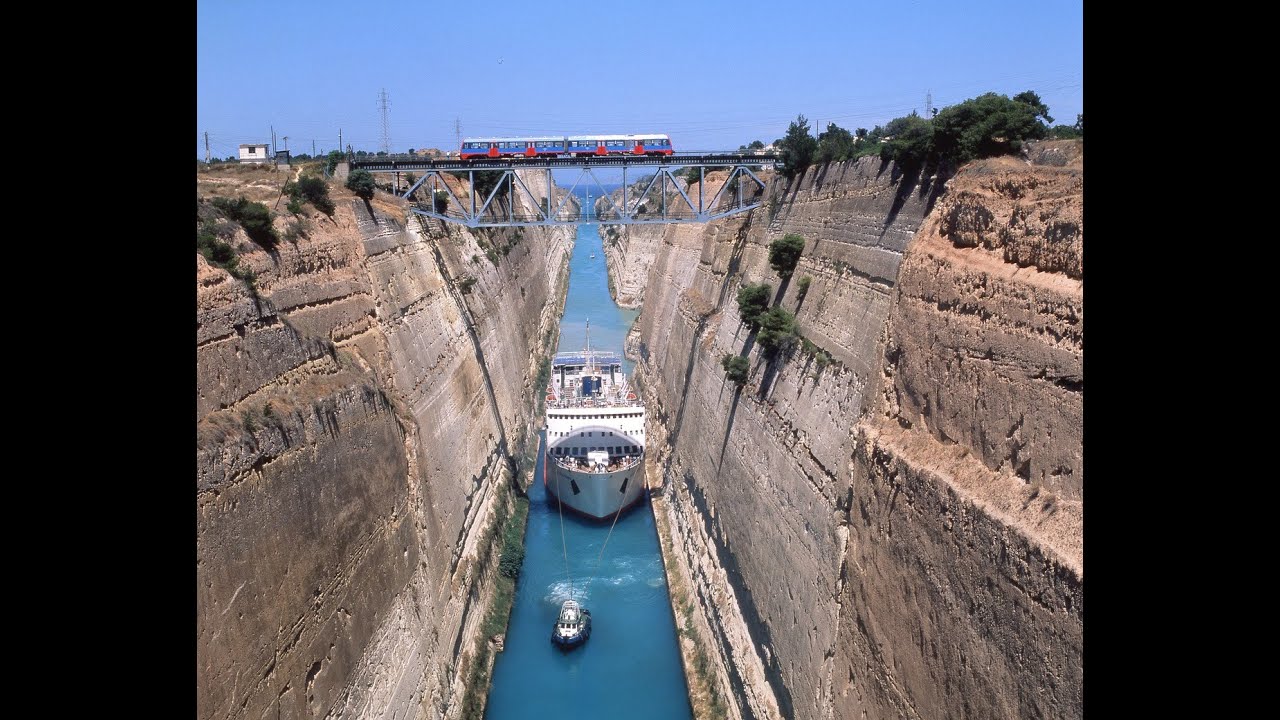
We recently sailed the Corinth Canal with our catamaran! But before we crossed this iconic Canal, we first went up to see it from above. You can see here the drone recording of us looking over the Canal. Some interesting facts about the Canal of Corinth: • Opened in 1893 • Length: 6.3 km • Width max: 24 meters • Depth max: 8 meters • Cliffs: about 90 meters high • 11,000 ships pass through annually • 6 bridges cross the canal, at a height of 52 meters above the water
0
0
0
5

The ancient city of Corinth is located in a strategic place between the Aegean and the Ionian Sea — exactly where Greece is at its narrowest. It's location between two seas made Corinth the “Venice of Antiquity,” with enormous prosperity through tolls on trade routes. Corinth grew into a true city-state (polis) in the 8th century BC. Corinth was also an important religious center, especially for the goddess Aphrodite. On the Acrocorinth mountain stood her famous temple, where—according to tradition—more than 1,000 priestesses (sacred courtesans) served. The ancient city has been preserved as ruins and can be visited. We arrived there at sunset, so the site was closed, but we were still able to make this video
0
0
0
4

The Crazy Waters Bridge in Chalkis sits at the narrowest point between Evia and the mainland, where the strait is only about 38 meters wide. Because so much water is forced through this tiny opening, extremely strong currents are created — the reason sailors call it the “Crazy Waters.” The bridge is in the middle of the city and opens only once a day to avoid disrupting the constant road traffic. Boats may only pass at slack tide, the brief moment every six hours when the water is calmest. That’s why sailors often go through at strange times like 1:30 or 3:00 a.m. While waiting, boats are not allowed to tie up along the quay because the turbulence is so strong that it would be dangerous. Instead, everyone must anchor in the bay and wait for instructions from Port Control. We anchored there with about fifteen other boats and waited until slack tide at night. At midnight, Port Control suddenly called all boats in order — we were number three. Passing the bridge in the dark was surreal: strong currents below, quiet city lights above. The bridge didn’t lift; it actually slid sideways into the quay walls, disappearing completely. Once through, we moored safely just 100 meters further in the city. Experiencing this natural phenomenon at night, in such a narrow and powerful channel, was something I will not quickly forget!
0
0
0
5